After-School Snacks Kids Can Make Alone: Ideas by Age
Kids can make simple no-cook snacks alone from about age 5 to 6, and use a microwave or knife from about 9 to 10. See ideas and safety rules by age.
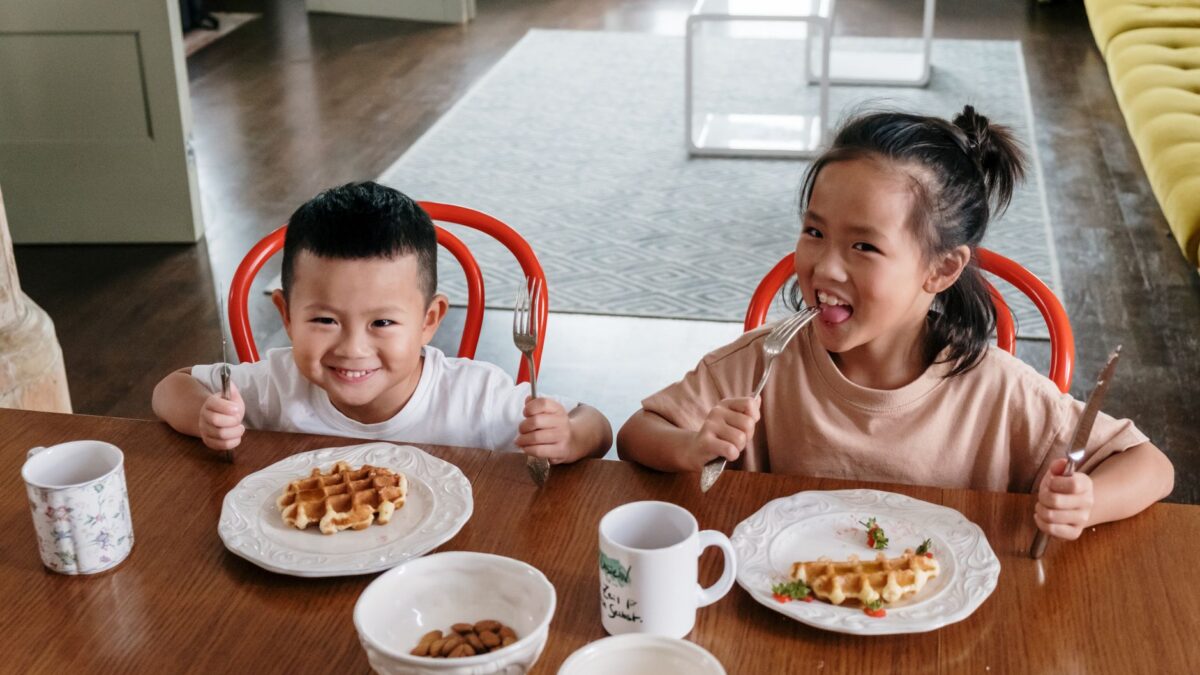
Children can start assembling no-cook after-school snacks on their own at about age 5 or 6, with pre-washed fruit, pre-portioned ingredients and a fixed spot in the kitchen. Around ages 7 to 8 they can use a toaster or a butter knife, and from about 9 to 10 most can handle a microwave and a small sharp knife with the first few uses watched. Readiness varies by child, so the ages below are starting points.
What can a 5 or 6 year old make without help?
A child this age can build snacks that need no heat and no cutting. Set everything out in advance at child height and keep the job to assembling.
- Yogurt topped with berries and a spoonful of granola from a small bowl
- Crackers with sliced cheese that an adult cut earlier
- Apple slices or banana halves with a scoop of nut or seed butter, if no one at home has a nut allergy
- A cup of cereal with milk
- Peeled mandarin segments with a handful of pretzels
Keep the work to one shelf in the refrigerator and one in the pantry. A labeled “snack bin” with a fixed amount takes decisions out of the afternoon.
What can a 7 or 8 year old make?
A child at 7 or 8 can spread, stack and toast. A butter knife works for spreading soft foods, and a toaster is a safe heat source if the child knows to wait and use the lever.
- Toast with butter, cream cheese or mashed banana
- Mini sandwiches with cheese, turkey or sliced cucumber
- Rice cakes with hummus and a sprinkle of seeds
- Fruit and yogurt parfaits layered in a clear cup
- Cheese quesadilla folded in a tortilla and warmed in a toaster oven, with an adult nearby for the first few times
Teach the toaster rule once and repeat it: never put a fork or knife inside, and unplug it if something is stuck, then ask an adult.
What can a 9 to 12 year old make?
Most children in this range can use a microwave and a small sharp knife once an adult has shown the grip and cutting board setup. They can follow a short recipe with two or three steps.
- Microwave quesadillas or nachos with cheese
- Scrambled eggs in a microwave-safe mug, stirred halfway through, with eggs cooked until firm
- Veggie sticks cut from cucumber, carrot or bell pepper with a yogurt dip
- Popcorn from a plain kernel bag in the microwave, once the child is old enough to handle hot steam
- Smoothies in a blender, with the blades unplugged while loading
For a similar kitchen skill ladder aimed at the holidays, the guide to holiday appetizers kids can help make sorts tasks by age as well.
What safety rules should apply?
Set the rules before the first solo snack, not after the first spill. Clean hands, a clean counter and safe temperatures cover most of the risk.
- Wash hands with soap for the full length of the song the child knows best, as the Centers for Disease Control and Prevention advises.
- Keep cold food cold and put perishables back in the refrigerator after use. The federal foodsafety.gov site covers safe handling of eggs, dairy and leftovers.
- For children under 5, cut round foods such as grapes lengthwise and avoid whole nuts, popcorn and hard raw vegetables, which are choking hazards.
- Check the allergy list at home before stocking the snack shelf.
- Leave knives, the stove and hot oil off the list for younger children.
- Agree on a phone call: the child checks in with a parent if something goes wrong.
How do you set up the kitchen so kids succeed?
A child makes a snack alone only if the ingredients are within reach and the rules are visible. Use a low shelf or a drawer for plates, bowls and spoons, and a small step stool with a stable base.
Write a short menu on the refrigerator door with three or four approved choices. Pre-portion items in small containers so a “scoop” is the right size. Keep a stack of washable cloths for spills, and ask the child to wipe the counter before leaving.
Snack timing connects to the rest of the afternoon. The after-school routine by age guide shows where a snack fits between homework, play and dinner.
How much should a child eat?
A snack should be small enough to leave room for dinner and large enough to settle hunger. A piece of fruit with a protein or whole grain, such as cheese or yogurt, gives more staying power than a sweet item alone. Parents can limit sugary options by stocking the shelf with the foods they are happy to have eaten.
Quick answers
At what age can a child be home alone and make a snack?
Laws and guidance on being home alone differ by state, province and country, so check local rules. A snack plan should be based on the child’s readiness, not just their age.
What if my child has a food allergy?
Stock only snacks that are safe for the child, label them clearly and keep an emergency plan from the child’s doctor posted where the child can see it.
Can kids make a baking recipe on their own?
Baking involves an oven, so most children need an adult in the room. The Christmas cookie baking guide lists jobs by age that suit different skill levels.