Winter Break Activities for Kids: Two Weeks of Ideas by Day Type and Cost
Two weeks at home is easier with a menu. Pick from cozy days, big days and free days, and mix them into a loose plan that fits your budget.
The simplest way to survive two weeks of winter break is to plan by day type, not by hour. Mix cozy home days, one or two bigger outings and a few free days, then pick from a menu that suits your budget. The ideas below are sorted by day type and marked free, under $20 or splurge, so you can fill a calendar in about ten minutes.
School breaks vary by district, but many fall between about December 21 and January 1 or 4, so check your own calendar. The sample plan below fits any length from a few days to two weeks.
How to use this menu
- Count your days. Mark the days with plans already, such as holidays, travel or work.
- Choose a type for each open day: cozy, active, outing or free.
- Add one thing to look forward to each day, even if small.
- Let each child choose one day from the list.
- Leave two open days for rest or whatever the weather decides.
Cozy home days
These days center on warm, slow things at home. Most are free or cost a few dollars.
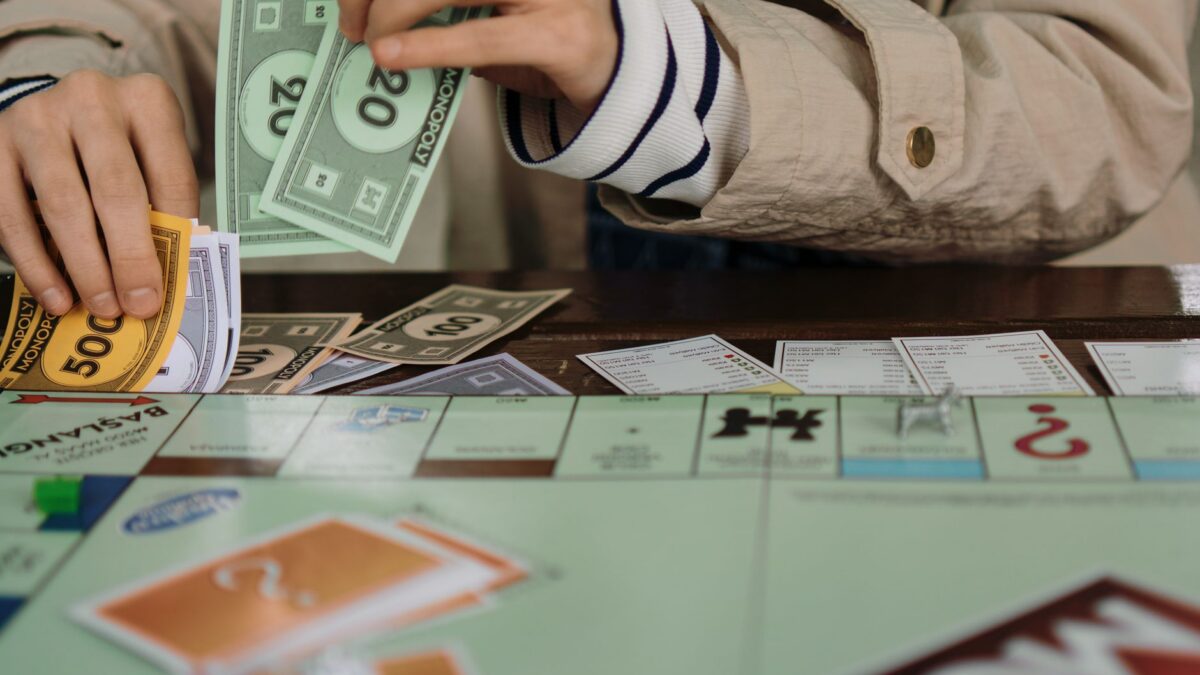
- Board game marathon (free). Pull out every game in the house and make a bracket. Winners get a small trophy made from foil and a paper cup. Our family game night guide has ideas for mixing ages.
- Living room campout (free). Make a tent from sheets and chairs, eat dinner by flashlight and tell stories. Keep any lamps and heaters away from fabric.
- Book-themed baking (under $20). Pick a favorite book and bake something from it, such as a “green eggs” scramble or gingerbread characters.
- Pajama day (free). Stay in pajamas, make pancakes and let kids pick the music.
- Movie and snack bar (under $20). Set up a snack station with a few bowls and vote on a film. Skip popcorn and whole grapes for children under 4, which pose a choking hazard.
- Puzzle and craft table (free to under $20). Leave a big puzzle on a table all break so anyone can add pieces.
Active days
- Indoor obstacle course (free). Cushions, tape and laundry baskets make a good course. See our indoor obstacle course ideas for layouts by age.
- Dance party (free). Make a playlist where each person adds three songs and runs a freeze dance.
- Snow or cold-weather walk (free). Bundle up, bring a thermos of hot chocolate and look for animal tracks or icicles. Check the AAP’s cold weather safety guidance before heading out.
- Ice skating (splurge or under $20). A local rink often sells skate rental and admission at a modest price, and some towns run outdoor rinks. Children should skate with adult supervision and wear a helmet, and wrist, elbow and knee pads help beginners. Skate at a rink, and stay off frozen ponds and lakes unless local officials have said the ice is safe.
- Swim or gym day (under $20 to splurge). A public pool or recreation center can be the cheapest way to burn off energy indoors.
Cheap local outings
- Library visit (free). Everyone picks one book for themselves and one for someone else. Ask about winter break programs and passes some libraries lend to local attractions.
- Light display drive or walk (free). Bring cocoa in the car and rate each house.
- Museum or nature center (under $20 to splurge). Check for free or discounted days, and ask whether tickets need to be booked ahead for school break.
- Community events (free). Look on your town’s website for tree lightings, parades and craft fairs. Our guide to free things to do with kids lists ways to find them.
- Thrift-store treasure hunt (under $20). Give each child a small budget and a challenge, such as finding the funniest hat.
- Volunteer morning (free). Food banks and shelters sometimes welcome families, but many have age limits, so call first.
Sample two-week plan
This table mixes day types so no week is all one kind. Swap days around as weather and energy change.
| Day | Type | Idea | Cost |
|---|---|---|---|
| 1 | Cozy | Pajama day with pancakes and a movie | Free to $ |
| 2 | Free outing | Library visit and playground | Free |
| 3 | Active | Indoor obstacle course and dance party | Free |
| 4 | Cozy | Board game marathon | Free |
| 5 | Outing | Ice skating or rec center | $ to $$ |
| 6 | Open | Rest or visit friends | Free |
| 7 | Cozy | Living room campout | Free |
| 8 | Free outing | Light display walk with cocoa | Free |
| 9 | Cozy | Book-themed baking day | $ |
| 10 | Outing | Museum or nature center | $ to $$ |
| 11 | Active | Cold-weather walk and tracking hunt | Free |
| 12 | Open | Thrift-store treasure hunt | $ |
| 13 | Cozy | Puzzle table and family movie | Free to $ |
| 14 | Reset | Quiet morning, get ready for school | Free |
A rough daily rhythm helps these days run smoothly. See our winter break schedule for kids for sample schedules for working parents, travel days and visits with relatives.
Keeping it light and flexible
- Do not overbook. Two outings a week is plenty for most families. For longer breaks at home, see staycation ideas for families.
- Protect rest days. Kids who have just finished a school term usually need unstructured time.
- Keep a backup. Have one idea for a snow day or a sick day, such as a movie or a craft kit.
- Do not skip the small stuff. A hot chocolate at the end of a walk often becomes the memory kids bring up later.
Bottom line
Plan winter break by day type: a few cozy days, a few active ones, a couple of outings and plenty of free time. Choose from the menu, let each child pick a day and keep two days open. Check local hours before you go, supervise cold-weather play and skate only where it is safe.
FAQ
How many activities should we plan per day?
One main thing is enough for most families, plus meals and free play. Children often play better when the day has a clear anchor and plenty of unplanned time around it.
What can we do on winter break on a tight budget?
Lean on the free list: library visits, light walks, campouts, game marathons and community events. Add one low-cost treat such as hot chocolate or an inexpensive rec center visit.
Is ice skating safe for young children?
Many rinks welcome beginners. Supervise closely, help children find their balance along the wall and consider a helmet and wrist, elbow and knee pads. Ask your pediatrician if you have questions about your child’s readiness.
What if the kids are bored by day three?
Try a boredom jar with ideas the kids wrote themselves. Try a boredom jar filled with ideas the kids wrote themselves, sorted by energy level.