Easy Weeknight Dinners Picky Kids Will Eat: 7 Simple Ideas
Easy weeknight dinners for picky kids work best when built from familiar parts. See 7 ideas, a few habits that help, and when to ask a pediatrician.

The easiest weeknight dinners for picky kids are meals built from separate, familiar parts that each child can assemble: tacos, pasta with sauce on the side, quesadillas, rice bowls and sheet-pan chicken. Serve one food you know your child accepts next to a new or less-liked food, keep portions small, and avoid pressure. Most of these dinners take 20 to 30 minutes and use ingredients from an ordinary grocery run.
Why do kids get picky at dinner?
Many young children go through a stage of rejecting foods, especially new ones, and it is a common part of development. Appetite also varies from day to day, so a child who ate well yesterday may eat little today. Tired, hungry kids at 6 p.m. are also more likely to refuse anything unfamiliar.
Because refusal is so common, the goal is a calm table where the child sees a food many times without being forced to eat it. Looking at, smelling and touching a food all count as steps toward eating it.
What is a good rule for serving dinner to a picky eater?
Parents decide what is served, when and where. The child decides whether to eat and how much from what is offered. This split of jobs is widely recommended by feeding specialists and keeps dinner from turning into a negotiation.
- Include at least one food on the table your child usually eats, such as bread, rice, fruit or plain pasta.
- Put new foods on the table in small amounts, with no demand to taste them.
- Skip bribes and “one more bite” deals. Rewarding a food with dessert can make the food seem like a chore.
- End the meal at a reasonable time rather than preparing a separate dinner on request.
Which easy dinners do picky kids usually accept?
Seven dinners tend to work because the pieces stay separate and the flavors are mild.
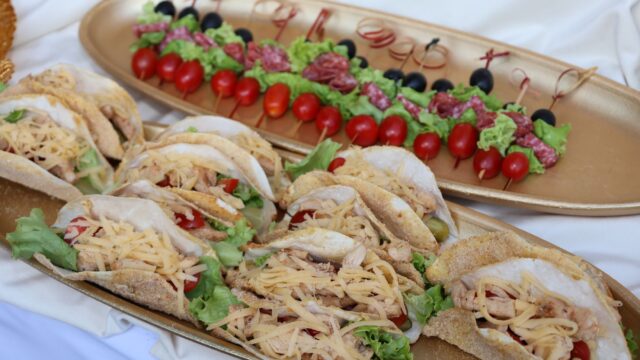
- Build-your-own tacos. Set out seasoned ground meat or beans, tortillas, shredded cheese, and small bowls of lettuce, tomato and corn. Ground beef and ground pork should reach 160°F (71°C) inside.
- Pasta with the sauce on the side. Cook pasta until tender, then offer butter, plain tomato sauce and grated cheese in separate dishes. Add peas or chopped broccoli to the pot for the last minute or two of cooking.
- Cheese quesadillas. Cook cheese in a tortilla in a skillet for a few minutes per side, then cut into wedges. Slip in beans or cooked chicken for protein.
- Sheet-pan chicken strips. Cut chicken into strips, coat with breadcrumbs, and bake on a lined sheet pan until the inside reaches 165°F (74°C). Serve with a dip and a raw vegetable.
- Mini meatballs. Small meatballs cook quickly and are easy to pick up. Serve over rice or pasta, and cook them to 160°F (71°C).
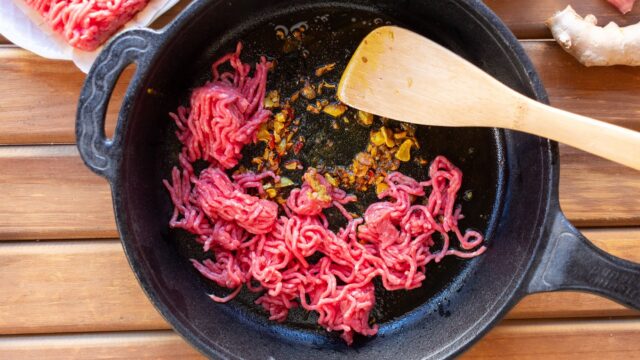
- Egg fried rice. Scramble an egg in a pan, add cooked rice and frozen peas and carrots, and season lightly with soy sauce. For a similar flavor with beef, see this 25-minute Mongolian beef skillet dinner.
- Breakfast for dinner. Pancakes, scrambled eggs and sliced fruit are familiar, fast and easy to adjust for each child.
How do I add vegetables without a fight?
Serve vegetables in the form your child already tolerates, and keep offering them. Raw carrot sticks, cucumber slices or cherry tomatoes (cut in quarters for young children) with a dip are a simple start. Frozen vegetables cooked straight from the freezer are as convenient as fresh and need no chopping.
Another approach is to put a small portion of vegetables on the plate every night, next to a food your child likes. The USDA MyPlate site gives general guidance on what a balanced plate looks like for different ages.
Can kids help with dinner?
Yes, and children who help prepare food are often more willing to taste it. Toddlers can wash vegetables and tear lettuce. Older children can stir, measure and set the table, and school-age kids can learn to use a peeler with supervision. The jobs-by-age ideas in this guide to baking with kids and the list of easy appetizers kids can help make carry over to everyday cooking.
When should I talk to a pediatrician?
Talk to your child’s pediatrician if your child eats a very small number of foods, loses weight or seems to be growing slowly, gags or chokes often, or has strong distress around mealtimes. A pediatrician can also check for allergies, constipation or other problems that affect appetite, and can refer you to a feeding specialist when needed. This article is general information and does not replace medical advice.
Quick answers
How long should I keep offering a food my child refuses?
Keep offering it. Children often need to see a food many times before they try it, so a refusal today is not a final answer.
Should I make a separate meal for a picky eater?
A separate meal each night makes the habit harder to change. Putting one accepted food on the table at every dinner lets the child eat something while the rest of the meal stays the same for everyone.
How long can leftovers sit out after dinner?
Refrigerate leftovers within 2 hours of cooking, as recommended by FoodSafety.gov, the US government’s food safety site. Cooked leftovers kept in the refrigerator are usually good for 3 to 4 days.