USC Study: Kids Eating More Ultra-Processed Food Show Stronger Brain Cravings
A USC study of 46 children ages 7 to 10 links ultra-processed food intake to stronger brain reward responses and body fat gain. Here is what parents should know.
Children who eat more ultra-processed foods show stronger activity in the brain’s reward system when they look at tempting foods, and that activity was linked to bigger increases in body fat a year later. The findings come from a study by researchers at the Keck School of Medicine of USC, published in JAMA Network Open. The study is observational, so it shows associations rather than proving cause and effect.
What the researchers did
The team studied 46 children ages 7 to 10 who were part of the ongoing BrainChild study, which looks at factors behind diabetes and obesity. All of the children were at a healthy weight when the research began. At the start, the children had MRI brain scans while viewing pictures of appealing foods such as cookies and French fries. Researchers also collected information on their diets and measured body mass index (BMI), body fat percentage and waist circumference. They repeated the body measurements after one year.
What they found
Children who ate more ultra-processed foods showed greater activity in the dorsal striatum, a brain region involved in reward and motivation. Those with stronger responses in this area also tended to have larger increases in BMI and body fat percentage over the following year. By the end of the study, children who ate more of these foods generally had higher BMI, more body fat and larger waist measurements.
When the researchers factored in the dorsal striatum response, the link between ultra-processed food intake and BMI became 31% weaker, and the link with body fat percentage fell by 44%. That suggests the brain’s response to food cues may explain part of the connection, though not all of it.
What counts as ultra-processed
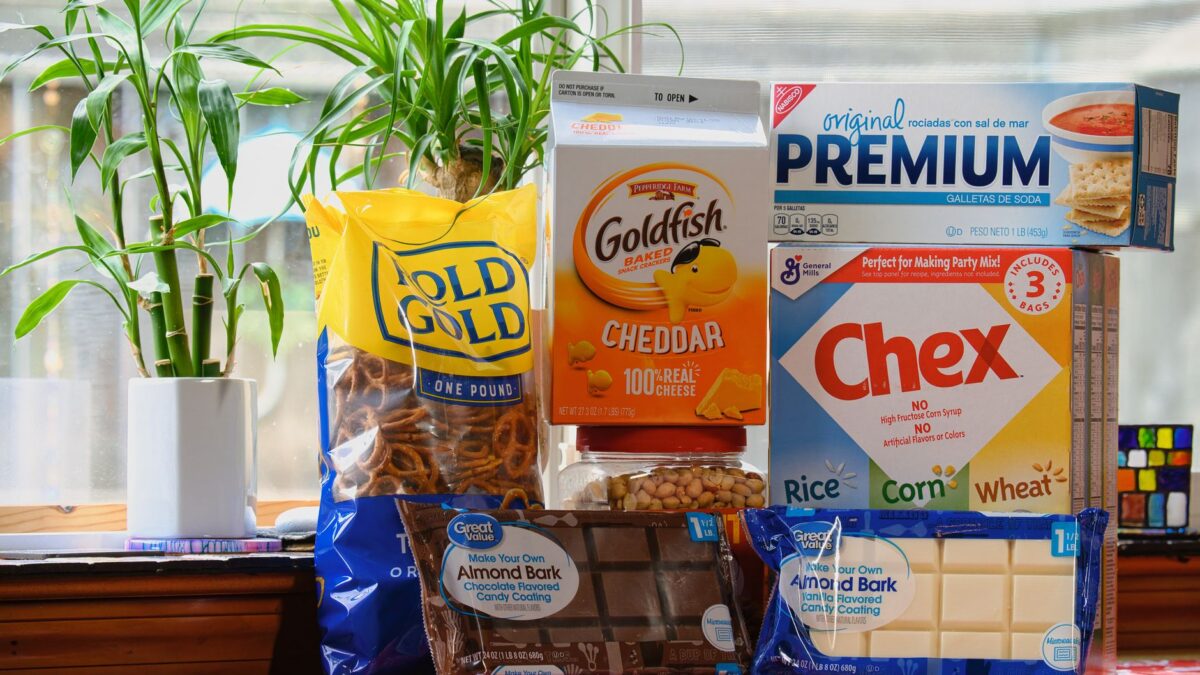
The researchers describe ultra-processed foods as products made to be appealing, convenient and long-lasting. Examples include breakfast cereals, packaged bread and instant soups. Many contain artificial sweeteners, colorings and other ingredients rarely used in home cooking. The source says these foods make up about 67% of the calories children eat in the United States.
Why it matters for families
Earlier research has linked ultra-processed food to obesity, type 2 diabetes and heart disease, but the biology behind those links is still being worked out. This study offers one possible explanation, centered on how a child’s brain reacts to food cues during a period when habits and preferences are forming. Senior author Kathleen A. Page said early intervention “could make a real difference.”
The researchers also stress that this is not only a matter of family choices. Ultra-processed products are often cheap, widely available and quick to prepare, which makes them practical for households short on money or time. Page said that changing the food environment so people can reach more minimally processed foods is “an important part of the solution.”
Parents with questions about a child’s diet, weight or eating habits should talk to their pediatrician. The study does not offer personal medical advice, and it does not set a safe or unsafe amount of these foods.
Limits and what comes next
The sample was small, and because the design was observational, it cannot show whether ultra-processed foods cause the stronger brain responses or the weight gain. The authors say the study does not demonstrate that these foods directly change brain function.
Page hopes to run an intervention study in which children who regularly eat ultra-processed foods are given more minimally processed alternatives. Researchers would then check whether their brain responses to food images change and whether any change is tied to less weight gain. No timeline for that study was given. Meanwhile, BrainChild will keep following participants through puberty and into early adulthood to track brain development, body composition, diet and general health.
The research was supported by the American Diabetes Association and the National Institutes of Health, among others.
Source: ScienceDaily