Budget Christmas Gifts for Kids by Age and Price
Set a limit for each child, use a simple gift structure and shop within it. Here are ideas by age and price, plus experiences and homemade gifts.
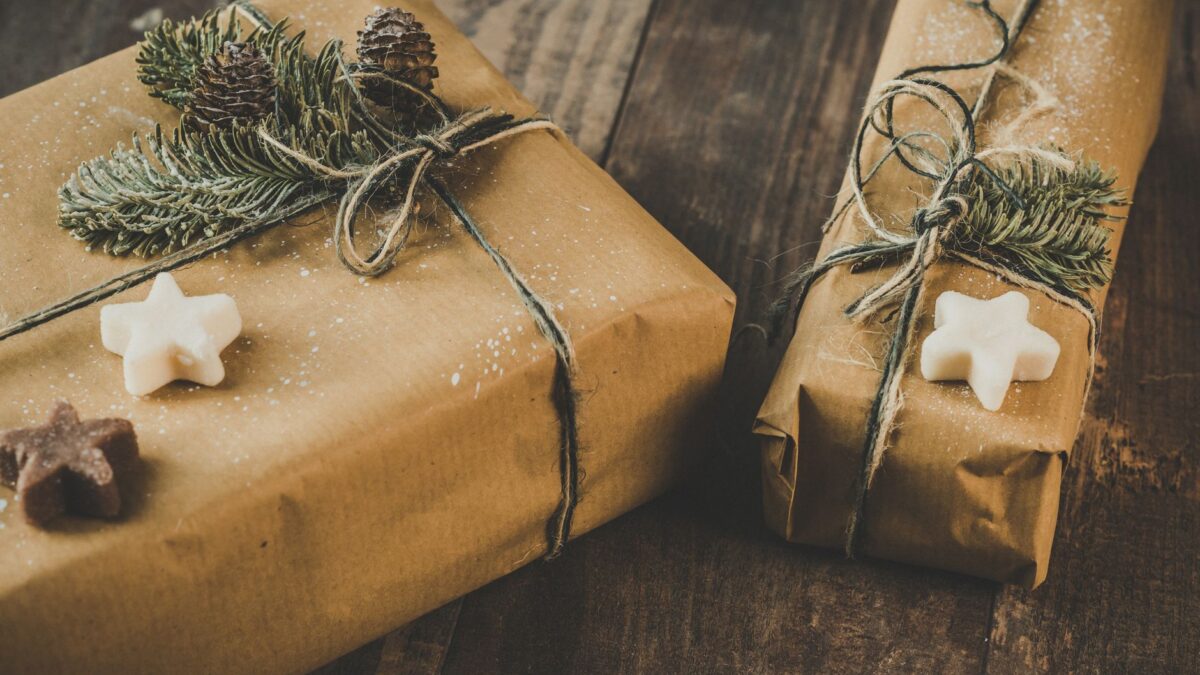
The easiest way to keep Christmas gifts for kids affordable is to set a per-child limit first, then shop within it using a simple structure, such as one thing to want, need, wear and read. The table below lists ideas by age and price tier, plus experience and homemade options. It names no brands, since the best choice depends on the child and what is already in your house. For lasting picks, see gift ideas for kids under $25.
Start with a limit and a structure
Pick a total for each child before you browse, and write it down. Then choose a pattern that keeps you from impulse buying. A popular one is four gifts:
- Something they want: the fun gift.
- Something they need: socks, a water bottle, winter gloves or a backpack.
- Something to wear: pajamas or a favorite shirt.
- Something to read: a new book or a library-friendly series starter.
You can adapt the pattern. Some families add “something to do together” or drop one category entirely. If you are still building your overall plan, our guide to a family Christmas budget walks through the other categories, such as food and travel.
Gift ideas by age and price tier
The tiers are spending caps for a single gift, not average prices. Prices vary by store and region.
| Age | Under $10 | About $10 to $25 | About $25 to $50 |
|---|---|---|---|
| 0 to 2 | Board books, cloth books, soft stacking cups | A shape sorter, large soft blocks, a push toy | A sturdy ride-on or play mat |
| 3 to 5 | Crayons and a drawing pad, play dough, a sticker book, a simple puzzle | Dress-up pieces, large building blocks, a cooperative board game | A play kitchen set, an art caddy with supplies, a bike helmet |
| 6 to 8 | A paperback, a card game, a journal and pens, a small craft kit | A building set, a science activity kit, a family board game | A sports item such as a ball set, a scooter helmet, a larger art set |
| 9 to 12 | A puzzle book, a deck of cards, a sketchbook | A series box set, a baking or hobby kit, a strategy game | A bigger kit, sports gear, craft supplies for a long project |
| 13 and up | A paperback, a notebook, a favorite snack | A hoodie, a hobby supply, a puzzle or novel series | A larger hobby item, a gift card to a place they like |
Experience gifts
Experiences can replace toys and leave no clutter. They also let you spread the cost across the year.
- A coupon for a one-on-one outing, such as breakfast out or a trip to the library
- Tickets to a local performance, a movie or a sports game
- A family pass to a nearby museum, zoo or ice rink, when you know you will go several times
- A series of lessons or a class that matches the child’s interest, such as swimming, art or a martial art
- A planned “yes day” with kid-chosen activities within a set budget
Wrap a card or a small token to open on the day, and put the dates on the calendar so they actually happen.
Homemade gifts
- Coupon book: promises for a bedtime story, a game night or a movie of their choice
- Personalized book: a story starring the child, with simple drawings or printed family photos
- Recipe jar: dry cookie ingredients layered in a jar with the instructions on a tag. Include allergens on the label.
- Painted or decorated items: a picture frame, a tote bag or a wooden box
- Photo calendar or album for grandparents, made with the child’s art
Children can make many of these for others. Our guide to Christmas crafts for kids has ideas that suit different ages.
Shop smart
- Buy from retailers you know and trust. The Consumer Product Safety Commission warns about online deals that look too good to be true, since they may be unsafe or counterfeit.
- Check recalls for secondhand items. Before you buy a used toy or gear online, search it at CPSC.gov/recalls.
- Price-check and use what you have. Look through the house first. A box of unopened craft supplies or an unused game may make a good gift.
- Shop secondhand for the right items. Books, board games, puzzles and sports equipment work well used. Be more careful with car seats, helmets, cribs and anything with a recall history.
- Plan for storage. If the playroom is already full, set up a toy rotation system before new gifts arrive.
Safety checks before you buy
For any toy, follow the age guidance on the package. The CPSC’s holiday advice includes keeping balls and toys with small parts away from children under three and deflated balloons away from children under eight. It also recommends throwing away plastic wrap and packaging right after gifts are opened. You can read more on the CPSC small parts page.
- Check for small parts, loose magnets and button batteries if there is a baby or toddler in the house.
- Choose gifts that match the child’s skills and interests, not just the age on the box.
- Pick up helmets and other safety gear with riding toys such as bikes and scooters.
If you have questions about what is safe for your child’s stage of development, ask your pediatrician.
Bottom line
Set a limit for each child, use a short structure like want, need, wear and read, and check packaging for age labels. Add an experience or homemade gift to keep the budget in line without making the day feel smaller. For small extras, see our list of cheap stocking stuffers.
FAQ
How many gifts should a child get for Christmas?
There is no right number. Some families choose a small set, such as three or four gifts, to keep the day calm and the budget clear. Pick the number that fits your family.
Are secondhand gifts okay?
Yes, for the right items. Books, puzzles, games and sports gear are good picks. Check recalls first, and avoid used car seats, cribs and helmets unless you know their history.
What can I give instead of toys?
Experiences, books, art supplies, clothing the child needs, a class, a family outing or homemade coupons. Pair them with something small to unwrap.
How do I handle relatives who overspend?
Share a short list of ideas that fit your space and budget, such as books, experiences or contributions to a savings jar. Relatives often appreciate clear suggestions.