Summer Bucket List for Kids: 50 Ideas by Age and Cost
Build your list before school lets out. Here are summer ideas sorted by age and cost, with water play, day trips and rainy-day backups.
A good summer bucket list for kids is short enough to finish, mixed across free, cheap and splurge ideas, and written before school lets out. Aim for 15 to 25 ideas, include some water play, a few day trips and several rainy-day backups, then put the first three on the calendar. Below are ideas by age and cost, plus simple safety reminders for water and sun.
Set up your list before school ends
- Check the dates. Write down the last day of school, any trips and when camps or care begin. School calendars vary, so use your own.
- Ask everyone. Each person names three things they want to do this summer. Teens can join in too; see family activities teens will actually join.
- Sort by cost. Mark each idea free, under $20 or splurge. Keep the splurge column short.
- Add backups. Choose at least five ideas for rainy or very hot days.
- Schedule three. Put the first outings on the calendar so the list gets used.
- Keep it visible. Tape it to the fridge and let kids check things off.
For a year-round master list, see our family bucket list ideas.
Summer ideas by age and cost
| Age | Free | Under $20 | Splurge |
|---|---|---|---|
| Toddlers (1 to 3) | Sprinkler play, bubbles, a picnic at the park | Splash pad snack trip, sidewalk chalk | A zoo day |
| Preschool (3 to 5) | Backyard campout, a bug hunt, library story time | Grow a sunflower, ice cream outing | An aquarium or children’s museum |
| School age (6 to 11) | Lemonade stand, fort building, a lake or creek day | Mini golf, pick your own berries, a drive-in or outdoor movie | Minor-league game, water park or a cabin weekend |
| Tweens and teens (12+) | Sunset hike, bike ride to a new spot, cooking night | Bowling, thrift-store challenge, a pool pass day | Concert, climbing gym or a weekend trip |
Water play ideas
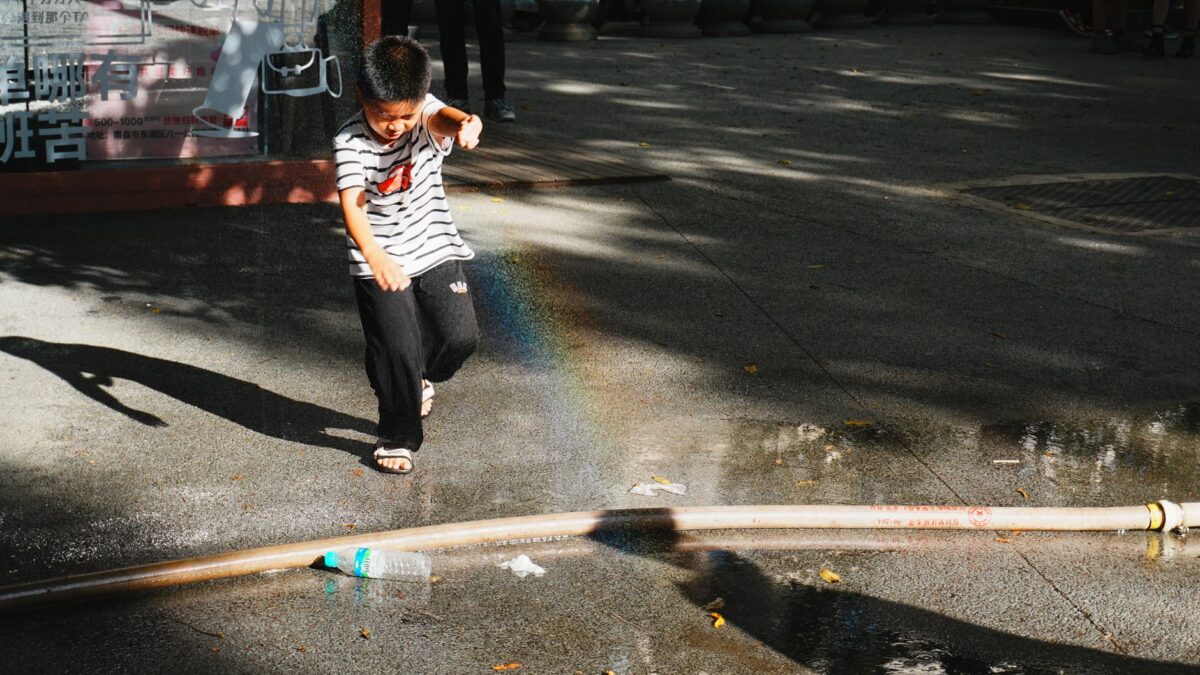
- Run through a sprinkler or set up a hose “car wash” for bikes and toys.
- Hold a water balloon toss or sponge relay.
- Visit a splash pad, community pool, lake or beach.
- Paint the driveway with water and a brush, then watch it vanish.
- Freeze small toys in a block of ice and chip them out with spoons.
- Make popsicles and eat them in the shade.
Day trips and outings
- Visit a state park or local nature preserve and try a short trail.
- Go to a farmers market and let each child pick one new fruit or vegetable.
- Pick berries or peaches at a local farm when they are in season.
- Explore a free museum day or a historic site.
- Attend a free outdoor concert or movie in the park.
- Visit a fire station or library event, when they host family hours.
- Take a ferry, train or bus ride just for fun.
Backups for rainy and extra-hot days
- Build a blanket fort and read inside.
- Have an indoor picnic.
- Start a family jigsaw puzzle that stays out all week.
- Bake something and deliver some to a neighbor.
- Run a “summer camp at home” day. Our summer camp at home guide has themes and schedules.
- Try more no-prep ideas from rainy day activities for kids.
- Visit the library for a cool, quiet outing.
Low-cost and screen-free habits
- Start a family reading challenge. Here is how: summer reading challenge for kids.
- Do a backyard stargazing night.
- Take turns choosing a “mystery destination” for a short drive.
- Keep a summer journal or photo album, even if it is one line a day.
- Have a neighborhood cleanup, a yard sale or a lemonade stand.
Summer safety basics
These are general reminders, not medical advice. For specific questions about your child’s health, ask your pediatrician.
- Water supervision: The American Academy of Pediatrics (AAP) advises that a supervising adult with swimming skills stay within arm’s length of infants, toddlers and weak swimmers in or around water. Young children near water, non-swimmers and children on boats should wear Coast Guard-approved life jackets. The AAP says swim lessons can start after a child’s first birthday. See the AAP drowning prevention guidance.
- Sun protection: The AAP recommends broad-spectrum sunscreen with an SPF of 15 or higher, reapplied every two hours and after swimming or sweating. It also recommends shade, hats and light long-sleeved clothing, and limiting sun exposure around midday, when the sun is strongest. Babies under 6 months should be kept out of direct sun, with sunscreen used only on small areas when shade and clothing are not enough, so ask your pediatrician about infants. Read the AAP sun safety page.
- Heat and hydration: Offer water often, schedule outdoor play for cooler parts of the day and never leave a child in a parked car.
Tips for finishing the list
- Keep a ready bag with sunscreen, water, towels and snacks.
- Have one big outing and several small ones each month.
- Let older kids plan an outing for the family.
- Do not worry if you do not finish the list. Cross off what no longer fits and add new ideas.
Bottom line
Write your list while school is still in session, mix free and paid ideas, add backups for weather and schedule the first few outings. A summer bucket list is a plan you can use, not a to-do list to feel guilty about. Pick favorites, take photos and leave room for lazy days.
FAQ
How many items should a summer bucket list have?
Between 15 and 25 works for most families. That is enough to give you choices without turning summer into a checklist.
When should we make our list?
Before school ends. That way you can plan around camps, trips and weather, and the first outings are already on the calendar.
What if we have a tight budget?
Mostly use the free column: parks, libraries, backyard games and picnics. Pick one or two paid ideas and save for them.
How do we include a big age gap?
Alternate who the outing is for, and give the older child a role such as photographer, navigator or planner on the younger child’s turn.