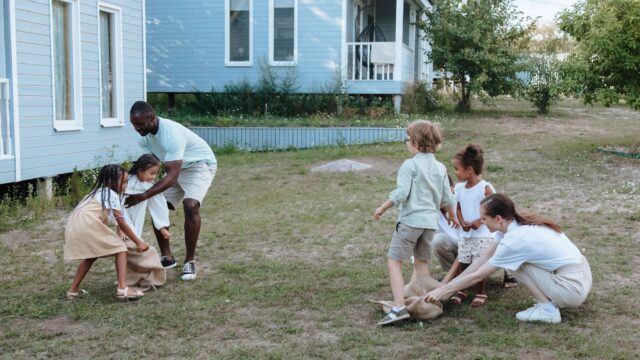
How to Start a Family Game Night: Games by Age, Snacks and Rules
A good game night needs a regular time, a game everyone can play and a plan for when someone loses. Here is how to start one this week.
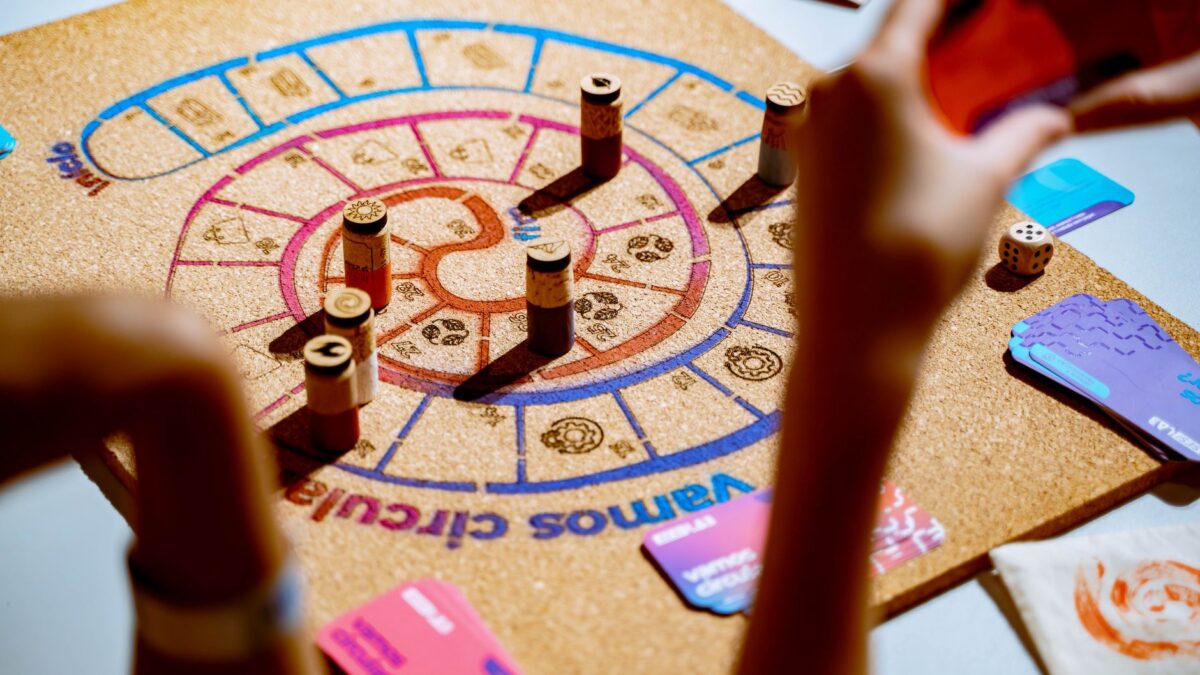
To start a family game night, pick one regular night, keep it to about an hour, let a different person choose the game each week and set two simple rules: everyone plays until the end, and everyone helps put the game away. Start with games that younger and older players can enjoy together, and add snacks and a few house rules for winning and losing. Free card and paper games work just as well as boxed ones.
The AAP’s Power of Play overview says play supports skills such as planning, getting along with others and managing emotions, so a regular game night is time well spent.
Set it up in five steps
- Choose a night and a time. A weeknight after dinner or a Friday evening both work. Put it on the family calendar so it competes fairly with other plans. Aim for 45 to 75 minutes.
- Put away devices. Phones go in a basket or a drawer for the hour, parents included.
- Rotate the pick. Each person chooses a game in turn. A short list on the fridge keeps it fair.
- Have a ready game shelf. One shelf or basket with the games and a deck of cards makes setup take two minutes.
- End on time. Stop while everyone is still having fun, and the kids will ask for the next one.
Choosing games across ages
Use the box’s age label as a starting point, but look at the pieces too. The AAP’s guide to buying safe toys says toys and their parts should be bigger than a child’s mouth, and it explains that age labels reflect choking risk as well as ability. If a child under 3 is at the table, count the small pieces after every game.
| Age | Good types of games | Classic examples | Notes |
|---|---|---|---|
| 3 to 4 | Color racing, matching, simple turn-taking | Candy Land, matching card games | Short rounds, no reading needed |
| 5 to 7 | Simple board and card games | Go Fish, Chutes and Ladders, Uno | Practice winning and losing kindly |
| 8 to 11 | Strategy, word and drawing games | Checkers, Connect Four, charades | Easy to mix with adults |
| 12 and up | Longer strategy and party games | Chess, Scrabble, team trivia | Let teens teach the rules |
| Mixed group | Team and cooperative games | Charades, bingo, drawing games | Pair younger children with an older player |
Age ranges are only a guide, because children develop at their own pace. If you have a question about your child’s development or play skills, talk with your pediatrician.
Free card and paper games
You do not need to buy anything to start. A deck of cards, a pencil and a piece of paper are enough.
- Cards: Go Fish, War, Crazy Eights, Old Maid and Slapjack all use a single deck.
- Paper: tic-tac-toe, dots and boxes, hangman and category lists, where everyone writes a word for each letter.
- No supplies: charades, twenty questions, I Spy and a story where each person adds one sentence.
Simple snacks that keep the game going
Choose snacks that are easy to eat with one hand and do not leave sticky fingerprints on the cards.
- Popcorn for older children only, since it can be a choking hazard for young ones
- Cheese cubes and crackers
- Sliced apples or clementines
- A theme night, such as a build-your-own-nacho bar or pizza on game night
Keep drinks away from the board with a rule that cups stay on a side table.
House rules for sore losers (and sore winners)
Every family has a child who hates to lose, and sometimes a parent who hates it too. Agree on a few rules before the first game and write them on a card.
- We play to have fun. A game is a game, and the point is the time together.
- Everyone says Good game. A handshake, fist bump or high-five at the end counts.
- No gloating. Celebrating is fine. Teasing is not.
- Take a break if needed. A child who feels upset can step away for a few minutes and come back, with no penalty.
- One rematch, then we move on. This limits the arguing over who goes again.
- Parents lose gracefully. Children copy the grown-ups, so model the response you want, calmly and out loud.
The AAP’s school-break play guide suggests card games and age-appropriate board games as screen-free options, and it advises choosing games that will not leave children overwhelmed when they lose. For a child who struggles with losing, start with cooperative games, where the whole family wins or loses together.
Making it fair for mixed ages
- Team up. Pair a younger child with an older player or parent.
- Add a handicap. Give the youngest an extra turn or a head start.
- Simplify the rules. Skip a rule that slows the game for a young player.
- Change the goal. Try beating your own score rather than beating each other.
Keep the habit going
- Keep a list of favorite games and add a new one each month.
- Take turns choosing the snack and the playlist.
- Take a photo of the winner’s high-five, and make a small paper trophy to hand around.
- Pair game night with a family movie or a walk now and then. See our family movie night ideas for a regular weekend alternative.
For more screen-free ideas, browse our screen-free activities by age and our card-friendly road trip games for kids. If you are building a list of things to do together, add game night to your family bucket list.
Bottom line
Choose a night, keep it short, rotate who picks the game and agree on a few kind rules for winning and losing. Start with games your youngest child can play, add free card and paper games, and the habit will take care of itself.
FAQ
How often should we have a family game night?
Once a week is a good starting point, but every other week works too. A regular schedule matters more than frequency.
What if my teenager does not want to play?
Let your teen pick the game, run the scoring or choose the snack. Giving a leadership role often helps. Keep the session short at first.
What if the kids fight over the rules?
Read the rules aloud before play and assign one person as rules referee. When there is a dispute, a quick vote or a coin toss settles it.
Are video games okay for game night?
That is your family’s decision. Many families keep game night screen-free so it stays different from other evenings, while others add one video game round. Choose what keeps everyone engaged.