Indoor Obstacle Course Ideas: Build One in Minutes With Cushions and Tape
A living room, hallway or basement can become a course in 15 minutes. Here are the steps, ten stations to mix and match, and layouts by age with safety rules.
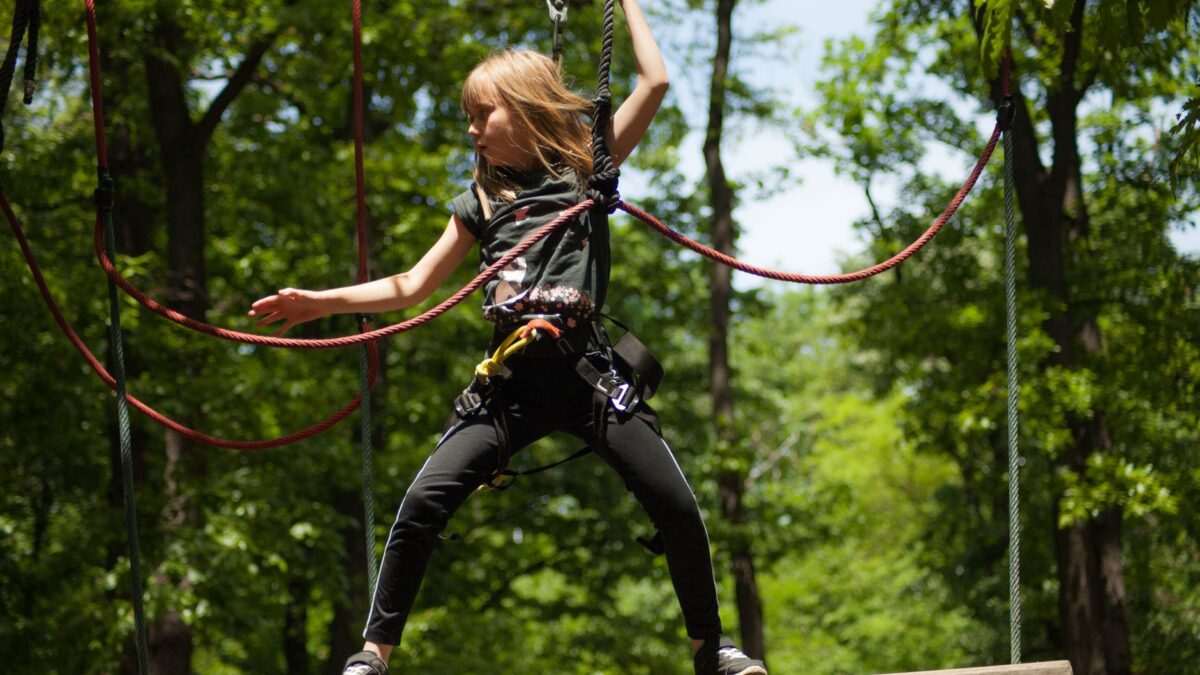
You can build a good indoor obstacle course in about 15 minutes with cushions, painter’s tape, laundry baskets and a few soft toys. Choose five to eight stations, mark the path with tape arrows, walk the course once yourself and add a timer or a twist for older kids. The steps, ten station ideas and layouts by age are below.
Why build one?
Kids need to move, and cold or wet days can make that hard. The CDC’s physical activity guidelines say children ages 6 through 17 need at least 60 minutes of moderate-to-vigorous activity a day, and preschoolers ages 3 to 5 should be active throughout the day. You can read the details on the CDC physical activity page. An obstacle course will not cover a whole day, but it can add a good 20 to 30 minutes of movement when going outside is not an option.
How to build it, step by step
- Pick the space. A living room, hallway, basement or the open area of a playroom all work. You need a clear path of about 10 to 20 feet, with a way to loop it.
- Clear the hazards. Move furniture with sharp corners, breakable items, cords and anything that can tip. Block any stairs with a gate or a closed door.
- Check the floor. Bare feet or grippy socks work better than smooth socks, which can slip on hardwood or tile. Painter’s tape usually peels off cleanly, but test a hidden spot first, especially on a finished floor.
- Choose five to eight stations from the list below. Put the active ones next to calmer ones so kids do not exhaust themselves in the first minute.
- Mark the route. Use tape arrows or paper signs, and number the stations so even young kids know where to go next.
- Walk it first. Test each station yourself. Make sure everything is stable, nothing blocks an exit and no one can fall onto a hard edge.
- Set the rules. One person at a time, wait at the start, no pushing, and an adult says when the course is “open.”
- Add a twist. Time laps, add a carry-along stuffed animal or switch the order.
- Let the kids redesign it. The second round is often the best part.
Ten station ideas
- Tape balance line. Walk heel to toe along a strip of tape on the floor.
- Pillow stepping stones. Hop from cushion to cushion while pretending the floor in between is lava.
- Blanket tunnel. Drape a light blanket over two sturdy chairs and crawl through. Use heavy chairs, and remove it if it starts to slide.
- Laundry basket toss. Throw rolled-up socks into baskets from a taped line.
- Crab walk or bear crawl lane. Mark a short lane and have everyone move like an animal.
- Yarn spider web. Tape lightweight yarn across a hallway at knee level and weave through without touching. Use something that releases easily, so a child who bumps it will not be injured.
- Stuffed-animal rescue. Carry a toy from one end of the course to a “safe” box at the other.
- Jump and freeze. Jump over a rolled towel or pool noodle on the floor, then freeze in a pose.
- Spin and stand. Spin around three times, then walk a tape line. Skip this one for children who feel dizzy easily.
- Finish line. End with a high-five, a sticker or a cheer.
Layouts by age
| Age | Space and size | Sample stations | Twist |
|---|---|---|---|
| Toddlers (1 to 3) | A small rectangle, 6 to 8 feet, with an adult nearby | Pillow hill, soft tunnel, taped line to walk | Hold hands for balance and cheer for each station |
| Preschool (3 to 5) | Living room, 10 to 12 feet, with a clear start and end | Stepping stones, basket toss, crawl tunnel, rescue | Number the stations and count steps together |
| School age (6 to 11) | Hallway or basement, 15 to 20 feet | Balance line, web, crab walk, jump lane, basket toss | Time each run and try to beat a personal best |
| Tweens and teens | Largest open area, with a looped route | Timed circuit with plank holds, jump lanes, throws | Team relay, or let them design a course for a younger sibling |
Layouts by room
- Living room. Push the sofa back and use the floor space in an L or U shape. Keep the course away from the television and glass tables.
- Hallway. A hallway is perfect for a straight run with a tunnel at one end and a basket toss at the other. Check that doors can still open safely.
- Basement. Basements often have more open floor, but watch for cold concrete under bare feet, stairs and storage items. Hard flooring needs extra care, so use cushions on top of a rug or mat.
Safety rules worth stating out loud
- An adult is in the room for the whole time.
- No climbing on the backs of couches or on tables, and no jumping from heights.
- Keep stations low. Cushions soften short hops but are not safe for big jumps or falls from furniture.
- Keep balloons away from children under 8 unless an adult is supervising, since uninflated or broken ones can be a choking hazard. Use a soft ball or a stuffed animal for toss-and-catch stations.
- Stop if anyone is tired, upset or too wild, and have a water break.
Make it a game
A course becomes a repeatable game when you add a theme. A few ideas:
- Ninja training: kids earn a paper “belt” at each level.
- Zoo escape: each station asks for a different animal move.
- Mission: carry a secret message from one end to the other without touching the floor.
For younger children, our indoor winter activities for toddlers include simple versions with small spaces and short setup. For a snow day, an obstacle course makes a good indoor reset between outdoor sessions in our snow day activities plan. When the kids ask for something else, pull a slip from a boredom jar.
Bottom line
An indoor obstacle course is a low-cost way to burn energy. Clear a space, pick five to eight stations, mark the route and set a few clear rules. Match the layout to the child’s age, keep an adult in the room and let children redesign the course for round two.
FAQ
How long does an obstacle course take to set up?
About 10 to 20 minutes for most families, including clearing the space. Reusing the same pieces, such as cushions and a roll of tape, makes it quicker each time.
What can we use if we do not have painter’s tape?
Use masking tape, strips of paper, a jump rope or a scarf laid flat as a line. Whatever you use, make sure it does not slide, curl up or trip anyone.
Is an indoor obstacle course safe for toddlers?
It can be, with a very small, low course and an adult close by. Stick to soft items like pillows and a light blanket tunnel, and keep small items out of reach. Ask your pediatrician if you have questions about your child’s movement skills.
How do we keep it from getting too wild?
Set one-at-a-time turns, a “walk, don’t run” station if needed and a short break after a few rounds. If excitement is rising, finish with a calm station such as a slow balance walk.