First Theme Park Trip With Kids: A Planning Timeline and Day Plan
A good first park day is short on rides and long on planning. Use this timeline, sample day and packing list to keep kids happy from the gate to the exit.
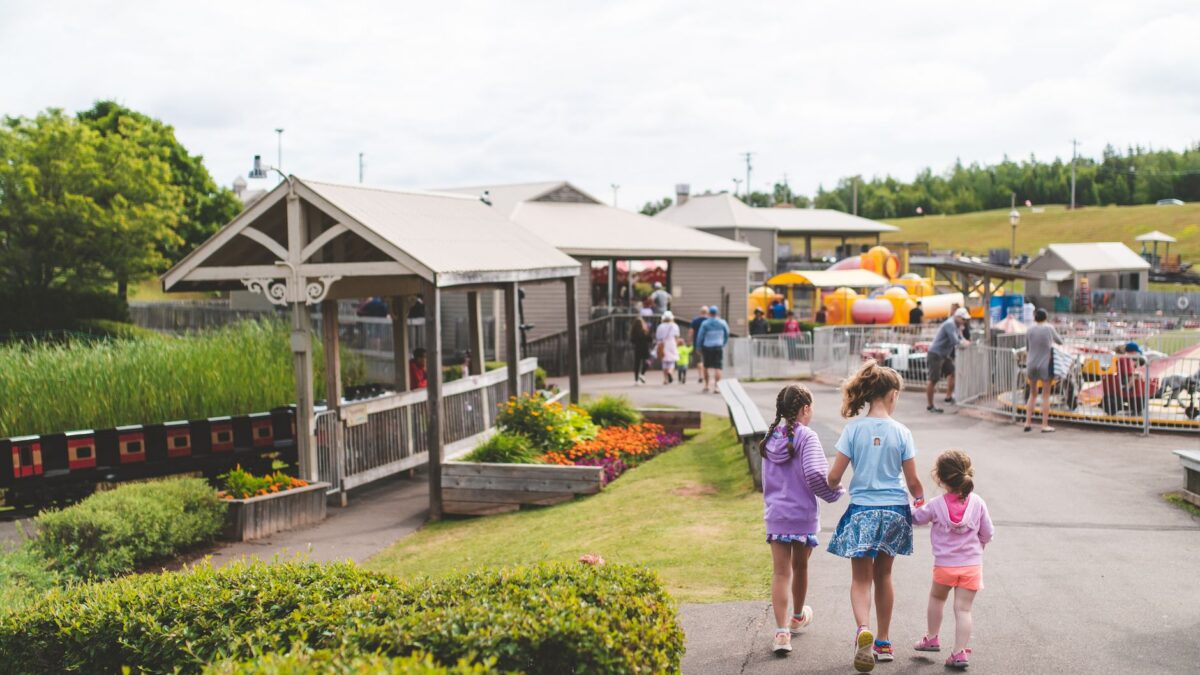
To make a first theme park trip with kids go well, check ride height rules weeks ahead, go on a weekday if you can, arrive at opening, and plan a midday break. Aim for a handful of rides and shows rather than everything on the map. Children who are rested, fed and a little bored of walking enjoy the day far more than children who were pushed to “get their money’s worth.”
Planning timeline
6 to 8 weeks before
- Pick dates. Weekdays outside school holidays are usually less crowded, though crowds vary by park and season.
- Set a budget for tickets, food, parking and souvenirs. Our guide to how much a theme park vacation costs breaks it down.
- Buy tickets only from the park’s official site or an authorized seller. Check the age cutoffs for child and free tickets.
- Book lodging with a way to rest midday if you can, whether that is a pool, a nap in the room or a quiet spot to play.
3 to 4 weeks before
- Look up the minimum height or age for each ride you are considering on the park’s official site.
- Measure each child at home, barefoot, against a wall, and write the numbers down. Parks measure on the day at the ride entrance and set their own rules about shoes, so treat your measurement as a guide, not a guarantee.
- Tell children which rides they will probably miss and why. Height limits are safety rules set for each ride, not a judgment on a child.
- Learn how the park handles height-restricted rides. Disney World calls its service rider switch and Universal Orlando calls it child swap. In general, two adults can take turns riding while the other stays with the child who cannot ride, and you ask a team member at the ride entrance. Details differ by park, so check the official page.
1 to 2 weeks before
- Download the park’s official app and check ride closures and show times.
- Watch a few ride videos with your children, especially if they are nervous about drops, dark rooms or loud sounds.
- Set a meeting-spot rule. Agree where to go if someone gets separated, and teach children to look for a uniformed team member.
- Put your phone number on a card in each child’s pocket or on a wristband. Do not write the child’s name on the outside of clothing, where strangers can see it.
The night before
- Lay out comfortable, broken-in shoes and a hat for each person.
- Charge your phone and a portable battery.
- Pack the bag (list below) and put tickets or digital passes where you can find them.
- Go to bed early. Excited children rarely sleep well, so plan a calm last hour.
A sample day
| Time | Plan |
|---|---|
| 30 to 45 minutes before opening | Park, use the restroom, get in line. Eat breakfast before you leave or bring something simple. |
| First 2 to 3 hours | Do the top rides first, when lines are shortest and children have the most energy. |
| Late morning | Snack and water. A show or indoor attraction is a good cool-down. |
| Midday | Eat an early lunch, then rest. Leave for a nap or pool time if you can, or find a quiet, shaded spot. |
| Afternoon | Go back for a second round when rested, or choose slower rides and shops. |
| Early evening | Leave while everyone is still in a decent mood. A late fireworks show is optional. |
What to pack
- Refillable water bottles and snacks, if the park allows outside food. Check its bag policy first.
- Sunscreen, hats and sunglasses. Reapply during the day.
- Blister bandages, wipes, tissues and hand sanitizer.
- A light change of clothes for children, especially if there are water rides, plus a plastic bag for wet items.
- Ponchos or a compact umbrella.
- A stroller for children who tire quickly. Many parks rent strollers, but bringing your own may be easier. Tie a ribbon to yours so you can spot it in a crowd.
- A fully charged phone, charger cable and any needed medicines.
For a longer checklist covering clothes and gear, see our family vacation packing list.
Safety and health basics
- Read and follow the posted ride rules. Keep hands, arms and feet inside, and stay seated. Rides also post health warnings, so check them.
- Protect against sun and heat. Offer water often and rest in the shade. Very young babies should be kept out of direct sun, so ask your pediatrician about sun protection for infants.
- Know your child. A child who is afraid of dark spaces, loud noises or sudden drops may be better off skipping a ride. Do not push.
- Talk with your pediatrician before the trip if your child has a medical condition, motion sickness or a recent illness. See healthychildren.org for American Academy of Pediatrics guidance.
When a child is too short for a ride
Expect this at least once. Have a plan ready:
- Say it calmly and early. Explain that the rule is about safety.
- Offer a specific alternative nearby, such as a different ride or a treat.
- Use rider switch or child swap if the adults want to ride.
- Do not try to “stand taller” in line. It sets a bad lesson and the ride team will still measure.
For a simpler outing before a big trip, our family day trip checklist covers the basics at a smaller scale.
Bottom line
A good first theme park day is short on rides and long on planning. Check height limits early, arrive when the gates open, take a midday break and leave before the crowds and the crankiness. If the children ask to come back, you got it right.
FAQ
What age is best for a first theme park trip?
There is no single best age. Many families wait until children are three to five, when there are more rides they can enjoy and they no longer need naps, but a gentle visit with a toddler can work too. Think about your child’s temperament, sleep schedule and tolerance for crowds.
Should we use a stroller?
For young children, yes. Parks involve miles of walking, and a stroller doubles as a place to rest, sit and store the bag. Check each ride’s rules for where strollers are parked.
How many rides can we realistically do?
Most families with young children manage a handful of rides in a morning plus a few shows or exhibits. Prioritize two or three must-do rides and treat everything else as a bonus.
Is it worth paying to skip lines?
It depends on your budget and crowd levels. Families often do fine without paid line-skipping on a weekday, and prices and rules for these services change, so check the park’s official page before buying.