Visiting Relatives With Kids Over the Holidays: Sleep, Food and Rules
Visiting relatives with kids goes smoother when you agree on sleep, food and house rules before you arrive. Here is how to plan each one and handle conflicts.
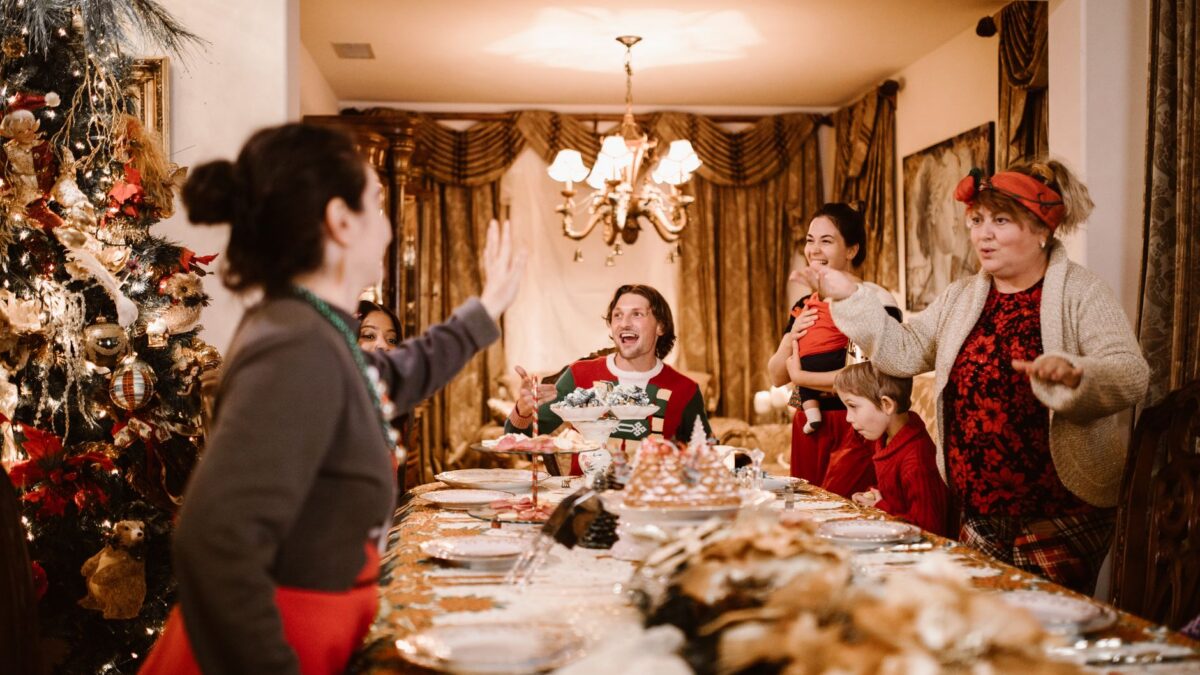
Visiting relatives with kids over the holidays goes best when parents settle three things before they leave home: where and when the children will sleep, what they will eat, and which house rules apply. Most holiday fights with grandparents, aunts and cousins start from unspoken expectations. A short phone call a week or two before the trip, plus a few items packed from home, prevents most of them.
What should you agree on with relatives before the trip?
Agree on the sleeping setup, mealtimes, any food limits, and the few rules that matter most to you. Keep the conversation practical rather than personal. Hosts usually want to help and simply do not know your routine.
- Sleeping: which room the kids will use, whether there is a crib or safe sleep space for a baby, and how dark and quiet the room is.
- Meals: what time the main holiday meal is planned, and whether there are allergies or foods your child cannot eat.
- Rules: screen time, bedtimes, treats, and anything in the house that needs to be put away for small children.
- Logistics: arrival time, how long you will stay, and whether there will be quiet time in the afternoon.
If you are traveling by plane, sort the trip itself first with a booking-to-arrival checklist for flying with kids, then turn to the stay.
How do you keep kids sleeping well in someone else’s house?
Keep the bedtime routine the same and bring the things that signal sleep at home. Children handle a new room better when the steps before bed stay familiar, even if the time shifts a little.
- Pack the comfort items: a favorite stuffed animal, their own pillowcase or blanket for older children, and a sound machine or phone app if they use one.
- Bring a portable blackout shade or use tape and foil or dark towels on the window if the room gets early light.
- Repeat the home routine in the same order: bath, pajamas, teeth, book, lights out.
- Protect naps for babies and toddlers. A short break in a quiet room usually saves the evening.
- Accept some late nights for big events, then return to the normal bedtime the next night.
For babies, follow safe sleep guidance from the American Academy of Pediatrics in any house: on the back, on a firm, flat surface such as a crib or portable play yard, with no pillows, blankets, bumpers or soft toys. Do not let a baby sleep on an adult bed, a couch or an air mattress. If the host offers an old crib, check that it is sturdy, has no missing parts and meets current safety standards, or bring your own travel crib. Talk to your pediatrician if you have questions about your baby’s sleep.
How do you handle food, treats and picky eaters?
Offer to bring a dish your children will eat, and let the holiday meal be relaxed rather than a test of manners. A child who fills up on rolls and one familiar side dish for one dinner is fine.
- Pack snacks your kids like for the hours before a late holiday dinner. Hungry children melt down faster.
- Tell hosts about food allergies clearly and early, bring safe foods, and keep any prescribed allergy medicine with you.
- Agree on a treat plan with relatives, such as dessert after the meal and a set number of cookies a day, so you are not the only one saying no.
- Do not force a child to finish a plate or taste every dish in front of guests. Quiet, low-pressure offers work better than public battles.
Cooking or baking together gives kids a job and gives relatives an easy way to connect. These cookie baking jobs by age work well in a grandparent’s kitchen.
Whose house rules apply?
The host’s house rules apply to the house, and your family rules apply to your children’s care. In practice, follow the hosts on things like shoes indoors, quiet hours, and rooms that are off limits, and hold firm on the rules that matter for safety and sleep.
Explain the plan to children before you arrive: “At Grandma’s house we take shoes off at the door, and the living room is for sitting, not running.” Kids accept a new rule more easily when they hear it early and from you.
Screens are a common sore spot. Decide in advance how much tablet or TV time is allowed during the visit and when, such as during long drives or while adults cook. If your older child has a phone, the rules in this family phone agreement can travel with them.
How do you childproof a relative’s home?
Do a quick walk-through on arrival with the host, at a child’s eye level. Homes without young children often have hazards in easy reach.
- Ask hosts to move medicines, including pill organizers and purses with pills inside, to a high or locked place.
- Put away cleaning products, button batteries, magnets, alcohol and small decorations that a toddler could swallow.
- Check stairs, balconies, pools, and heavy furniture or TVs that could tip.
- Ask directly and calmly whether there are firearms in the house, and if so, that they are stored unloaded and locked with ammunition stored separately.
- Keep candles, fireplaces and space heaters supervised and out of reach.
What do you do when a disagreement starts?
Step away from the audience and handle it privately, briefly and kindly. A relative who comments on your parenting at the table usually means well; a quiet “Thanks, we have a plan for that” ends most exchanges.
- Pick two or three non-negotiables and let smaller things go for a few days.
- Have your partner speak to their own parents when there is a conflict.
- Build in breaks: a walk, a trip to a park, or an afternoon out gives everyone space.
- Give kids a role in the visit, such as setting the table or a small giving-back project with grandparents.
Quick answers
Should we stay with relatives or book a hotel?
A hotel or rental nearby makes sense when the house is crowded, the children are very young, or tension runs high. Staying with family saves money and time together; staying apart protects sleep and gives you a place to reset.
How do you get kids back on schedule after the holidays?
Return to the normal wake time and bedtime on the first day home, even if it takes a few nights to settle. Keep the routine steady for the week before school starts again.
What if grandparents keep giving extra sweets?
Agree on a simple limit with them in private and give them a role in it, such as handing out the daily dessert. Most grandparents follow a plan they helped make.