Morning Routine for School Kids: A Checklist That Runs Itself
Smooth school mornings are built the night before. Here is a night-before list, time blocks by age and a checklist your child can follow without nagging.
The easiest school mornings are prepared the night before. Pack the bag, choose clothes and set out breakfast and lunch supplies in the evening, then give each child a short checklist and a visible clock so they can run the morning themselves. Work backward from the time you need to leave the house, and protect sleep, because a tired child is a slow child.
Start with sleep
A morning routine is easier when children wake up rested. The American Academy of Sleep Medicine’s recommended ranges, which the American Academy of Pediatrics endorses, are 9 to 12 hours of sleep for children ages 6 to 12 and 8 to 10 hours for teens ages 13 to 18, counted over 24 hours.
To set a bedtime, count backward from the wake-up time. A child who must be up at 6:45 and needs about 10 hours should be asleep by about 8:45, which usually means lights out a little earlier. The AAP also advises keeping screens out of children’s bedrooms, especially at night, and turning screens off at least an hour before bed. Its healthy sleep habits page has the details by age. If your child seems very tired even with enough sleep, or is hard to wake most days, mention it to your pediatrician.
The night-before list
Ten minutes in the evening can save thirty in the morning. Post this list near the front door:
- Backpack packed and zipped, with homework, signed forms and library books inside.
- Tomorrow’s clothes laid out, including socks, shoes and a coat. Check the forecast first.
- Lunch packed or lunch supplies grouped in one spot in the fridge.
- Water bottle filled and placed in the fridge or by the bag.
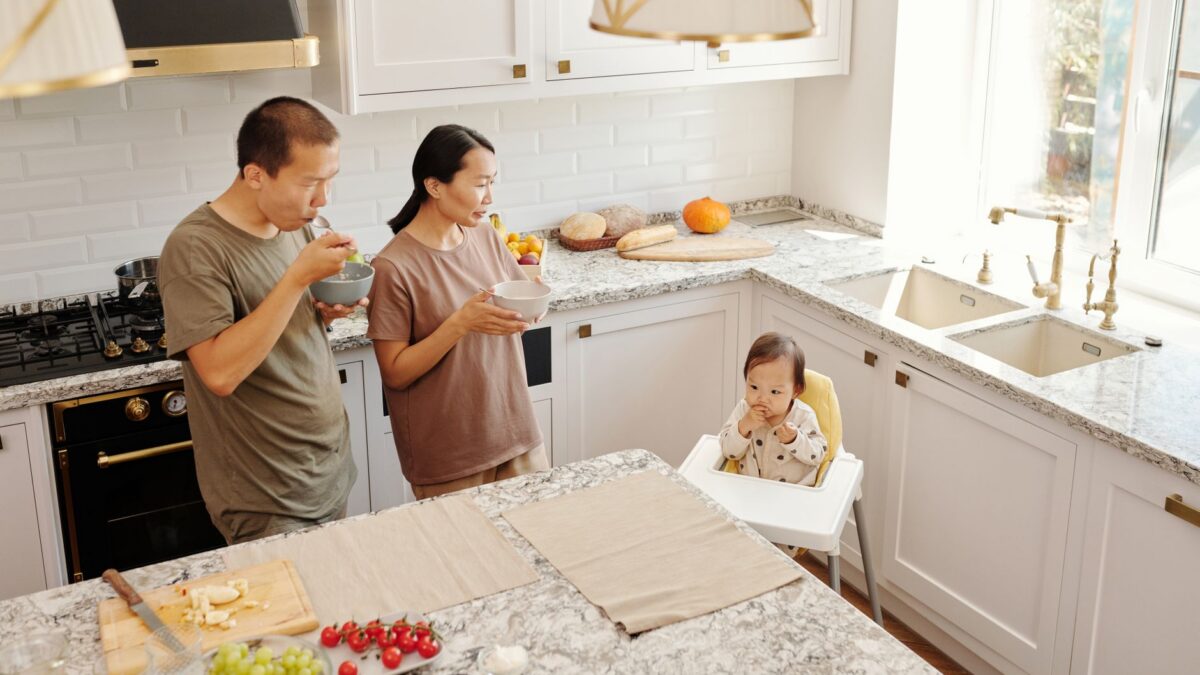
- Breakfast set out: bowls, spoons and cereal, or overnight oats ready in the fridge.
- Devices charging outside the bedroom.
- A glance at the family calendar for tomorrow, such as early dismissal, gym clothes or a team practice.
How much time to allow
Work backward from your departure time. These blocks are planning numbers, not research-based rules, so adjust them to your child. If a task is always the one that goes long, add minutes to it rather than hurrying the whole morning.
| Task (minutes) | Ages 5 to 7 | Ages 8 to 10 | Ages 11 and up |
|---|---|---|---|
| Wake up and get out of bed | 10 | 5 | 5 |
| Get dressed, make the bed | 15 | 10 | 10 |
| Breakfast | 20 | 15 | 15 |
| Teeth, hair, bathroom | 10 | 10 | 15 |
| Shoes, coat, last bag check | 10 | 5 | 5 |
| Buffer for surprises | 10 | 10 | 10 |
| Total | 75 | 55 | 60 |
If you leave at 7:45 and your child is in the first column, that means waking them around 6:30. Add travel time for any drop-offs you do first.
A checklist kids can run themselves
Write the steps in the order they happen, with the same order every day. Young children respond well to pictures, and readers can use a laminated card on the bathroom door or by the front door.
- Get out of bed and use the toilet.
- Get dressed in the clothes you set out.
- Make your bed.
- Eat breakfast and put your dishes in the sink.
- Brush teeth and hair.
- Put on shoes and coat.
- Check the door list: bag, water bottle, lunch.
Let your child tick each step with a dry-erase marker. A kitchen timer or a sand timer makes time visible without a parent repeating, hurry up.
Make it stick
- Practice on a weekend. Walk through the list once when nobody is in a rush.
- Give one reminder. After that, let the checklist do the talking, and say, What is next on your list?
- Decide the screen rule in advance. Many families make morning screens a reward for finishing the list. Whatever you choose, state it the night before so it is not a debate at 7:15.
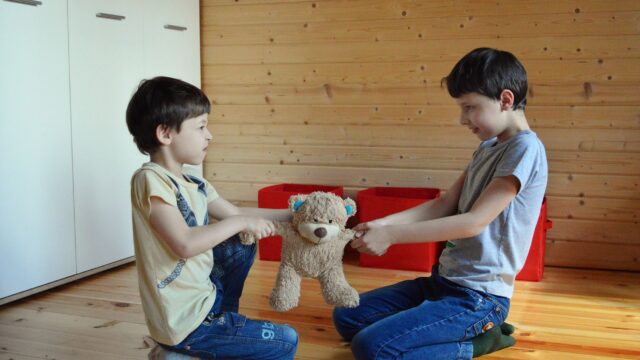
- Share the bathroom fairly. If siblings compete for the mirror, post a simple order or stagger wake-up times.
- Build in a calm start. Five minutes of cuddling or a quick chat sometimes saves more time than it costs.
- Add jobs gradually. A morning job such as feeding the pet or emptying the dishwasher fits well once the basics run smoothly. See our chore chart by age for ideas.
If mornings still fall apart
Look for the pattern. If the same step always slows things down, it may need to move to the night before, such as showers for older children. If your child is anxious about school, drags every morning or complains of stomachaches, talk to the teacher and your pediatrician. A kinder, steadier routine is not the only factor.
For the part of the day that follows, see our guide to an after-school routine. If your older child has a phone, our first phone rules cover where it stays overnight.
Bottom line
Prepare everything the night before, count back from your departure time, and give your child a short checklist in the same order every day. Protect sleep, keep screens out of the bedroom, and practice the routine on a weekend before you rely on it on a school day.
FAQ
How early should we start the night-before routine?
About 30 minutes before the usual wind-down is plenty. Pack bags and lay out clothes right after dinner or homework, so it is done before tired and cranky sets in.
What if my child is a slow mover?
Start the routine earlier rather than rushing, use a visual timer, and keep the steps few. Slow mornings often improve when the checklist is shorter or the bedtime is earlier.
Should kids get dressed before or after breakfast?
Either works. Many families choose dressed first so breakfast mess does not matter, but you can flip it if your child is messy with food.
When can a child manage the morning alone?
Many children can follow a written checklist from about age 7 or 8 with a parent nearby. Teens should own their alarm and their list, with a parent available for backup.