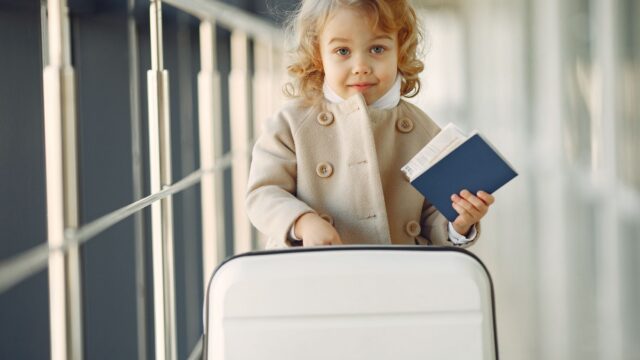
Flying With Kids for the Holidays: A Booking-to-Arrival Checklist
Peak-season flights are crowded, so plan early. This timeline runs from booking to arrival and includes TSA basics for children, gifts and a carry-on list.
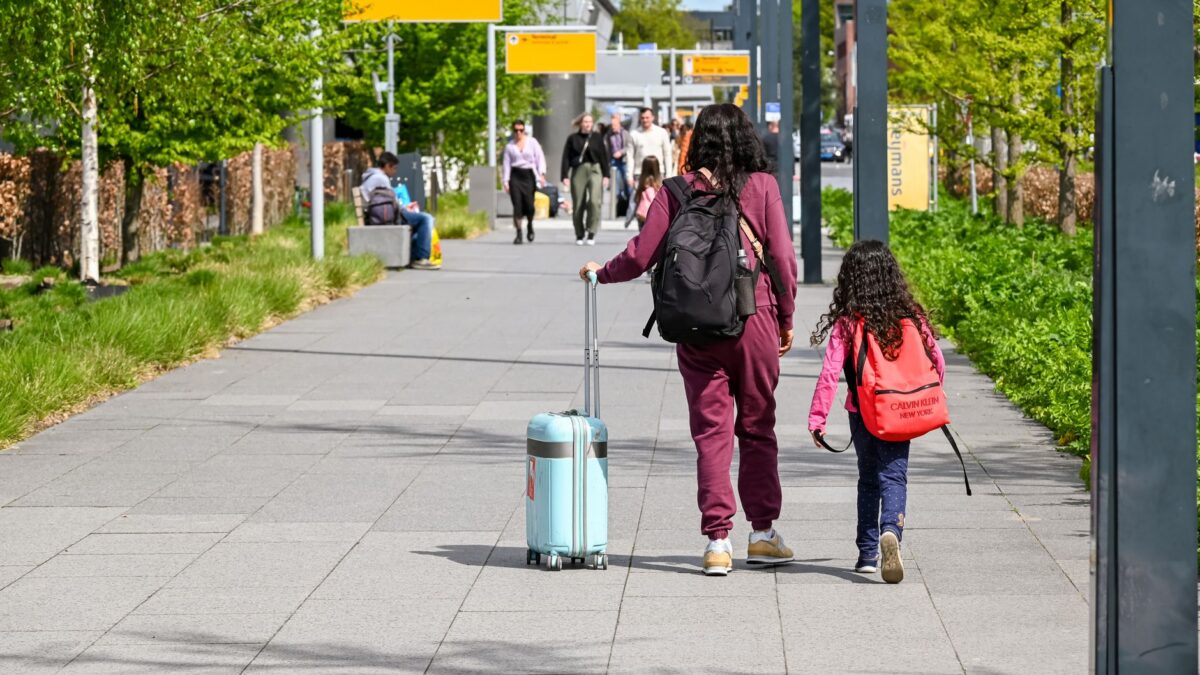
Flying with kids during the holidays goes best when you book early, choose seats and flight times with delays in mind, know the TSA rules for children and gifts, and pack a carry-on that can cover a long day. Peak days around Thanksgiving, Christmas and New Year’s are crowded, so give yourself extra time at every step. Below is a timeline from booking to arrival, with a carry-on list at the end. Still choosing where to go? See snow vs warm-weather winter break trips.
Timeline checklist
As soon as your dates are set
- Book early. Holiday fares and seats are in demand, and fares often rise as the dates get closer. Compare total cost, including bags and seat fees, not just the base fare.
- Pick flights that leave room for trouble. Nonstop flights avoid missed connections. If you must connect, allow a long layover. Morning flights are often less affected by earlier delays than evening ones.
- Look at the days around the peak. Flying a day before or after the busiest travel days may mean calmer airports.
- Check each traveler’s name and ID. The name on the ticket should match the ID or passport the traveler will use. Adults need a REAL ID or another accepted ID, which TSA has required since May 7, 2025. TSA does not require children under 18 to show ID on domestic flights, but airlines can set their own rules, so check with yours. If anyone is flying internationally, read our kids passport guide early, since passports take time.
Seats and car seats
- Children under 2 can fly on an adult’s lap on U.S. domestic flights, but the FAA and the American Academy of Pediatrics both say the safest place for a young child is in their own seat in an approved child restraint. If you buy a seat, bring a car seat or other restraint that is labeled as approved for use on aircraft, and check your airline’s rules before you go.
- Airline policies on seating families together differ. Select seats at booking if you can, and check again before the flight.
- Window seats can help a child feel contained, and aisle seats make bathroom trips easier. Exit rows are generally off limits to children.
Two weeks before
- Check weather outlooks for your origin, connection and destination.
- Confirm bag fees and carry-on rules with your airline.
- Pack a plan for gifts (see below).
- Download shows, games and audiobooks to devices, and bring headphones sized for children.
- Ask your pediatrician about any child health concerns, ear problems or medicines for travel. The AAP offers family guidance at HealthyChildren.org.
The day before
- Check in online and save boarding passes on your phone and on paper.
- Charge all devices and packs.
- Confirm rides to the airport, and plan to arrive earlier than usual on peak days. Check your airline’s recommended arrival time, and add a cushion for parking, bag drop and a slow security line.
- Pack the carry-on last so the items you need are on top.
TSA at the checkpoint
TSA publishes tips for families, and its procedures for children have a few special features. Rules can change, so check tsa.gov before you travel.
- Children 12 and under can keep shoes, light jackets and headwear on during screening.
- Strollers, car seats and carriers go through the X-ray machine. Children are taken out of strollers and car seats and carried through the metal detector.
- Formula, breast milk, toddler drinks and baby food are allowed in carry-on bags in amounts larger than 3.4 ounces (100 mL). Tell the officer at the start of screening and pack them where you can pull them out. Officers may test them.
- Other liquids in your carry-on, such as your own water or shampoo, still follow the 3-1-1 rule: containers of 3.4 ounces (100 mL) or less in a quart-size bag.
- TSA PreCheck: parents or guardians who are enrolled can bring children through the PreCheck lane. Teens may have different requirements, so check TSA’s site.
For details, see TSA’s tips for traveling with small children.
Holiday gifts and food
- Wrapped gifts: TSA allows them, but officers may need to open a package. Wrap at your destination, use gift bags or ship gifts ahead of time.
- Food gifts: Cookies, cakes and solid foods are generally fine in a carry-on. Liquid or spreadable items such as jams, sauces and cranberry sauce are subject to the liquids rule, so pack those in checked bags. Use TSA’s “What Can I Bring?” tool on tsa.gov to check specific items.
- Batteries: Spare lithium batteries and power banks are generally required to travel in carry-on bags rather than checked bags. Airlines may add their own limits, so check yours.
Plan for delays
- Pack extra snacks and a spare change of clothes for each child, since a one-hour delay can become many.
- Download your airline’s app for alerts and rebooking.
- Know the airline’s phone number and rebooking options.
- Fill water bottles after the checkpoint.
- Stay calm and flexible. Walking the terminal can help kids burn energy.
Carry-on checklist by age
| Item | Babies and toddlers | Ages 4 to 8 | Ages 9 and up |
|---|---|---|---|
| Snacks and drinks | Formula or bottles, pouches, a few dry snacks | Snack bag and reusable bottle | Favorite snacks and bottle |
| Entertainment | Board books, stickers, a quiet toy | Coloring pad, small games, downloaded shows | Books, headphones, cards |
| Comfort | Blanket, pacifier, change of clothes | Sweater, stuffed animal | Sweatshirt, neck pillow |
| Essentials | Diapers, wipes, changing pad | Wipes, spare shirt | Charger, ID or boarding pass |
For more ideas on keeping kids entertained during a flight, see our long flight activities for kids. For a longer packing list, see the family vacation packing list.
On arrival
- Check bags and gifts before leaving the airport.
- If you have borrowed or rented car seats at your destination, check that they are safe and properly installed.
- Keep kids’ routines as close to normal as possible for the first day.
Bottom line
Book early, pick seats and times that give you a margin, know the TSA rules for children and liquids, and pack a carry-on that can handle a delay. Build in extra time at the airport and keep your plans flexible. The more you prepare, the more relaxed the day is likely to be.
FAQ
Do kids need ID to fly?
TSA says it does not require children under 18 to show identification on flights within the United States, but airlines can have their own rules, so check with yours. Adults need a REAL ID or another accepted ID, and international trips require a passport for every traveler, including children.
Can I bring a stroller through security?
Yes. Strollers go through the X-ray machine, so you will need to fold it, and children are carried through the metal detector.
Should I wrap presents before flying?
It is allowed, but a TSA officer might have to unwrap them. Gift bags, shipping ahead or wrapping at your destination avoid the issue.
Is it okay for my baby to fly on my lap?
Airlines generally allow lap infants on domestic flights, but safety groups recommend a seat with an approved restraint. Ask your pediatrician about your child’s needs.