Indoor Winter Activities for Toddlers: Low-Mess Play for Ages 1 to 3
Cold days with a one-to-three-year-old go easier with short, simple play that needs little setup. Here are 16 ideas with supplies and times, plus safety notes.
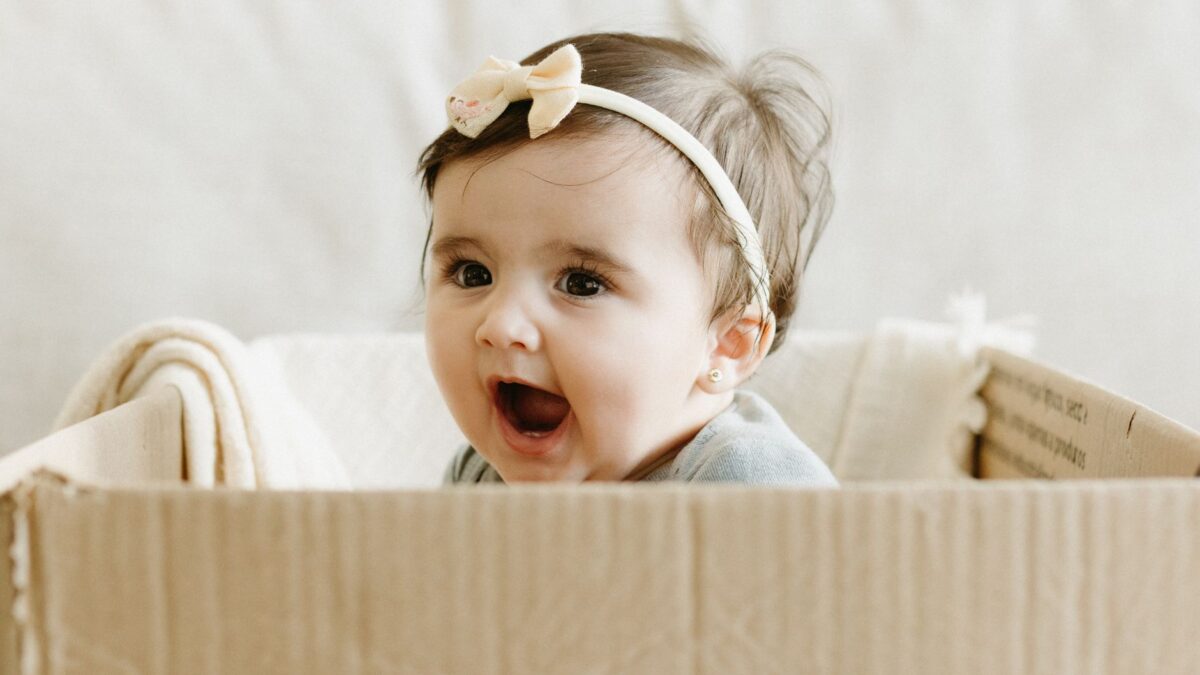
The best indoor play for toddlers is short, simple and built from things you already own: a cardboard box, a few pots, a basket of balls or a roll of painter’s tape. Aim for activities that take under five minutes to set up, plan on 5 to 15 minutes of interest and keep a short list of favorites to repeat. The ideas below include setup times, supplies and safety notes for ages one to three.
This is general information, not medical advice. If you have questions about your child’s development or safety, talk to your pediatrician.
Safety first: small parts and other hazards
Toddlers put things in their mouths, so check every activity for choking and other hazards before you start.
- Small parts. In the United States, the Consumer Product Safety Commission bans small parts in toys made for children under 3. A common household rule of thumb is that anything that fits through a cardboard toilet-paper tube is a choking risk. Use that for homemade materials such as buttons, beads and pom-poms. Keep small items out of reach.
- Balloons. The CPSC’s required warning says children under 8 can choke or suffocate on uninflated or broken balloons. Skip balloons for toddlers, or keep them completely out of reach. The CPSC explains labeling on its small parts and choking hazard FAQ.
- Batteries and magnets. Keep loose button batteries and small magnets away from toddlers, including inside toys with battery doors that do not lock.
- Food in play. Dry pasta, rice and beans in a sensory bin are choking hazards for a child who puts them in their mouth. Use large, non-food items, or stay within arm’s reach.
- Water. Never leave a toddler alone with water play, even a few inches in a tub or bowl.
- Cords and strings. Keep ribbon, yarn and scarves short and in supervised use only.
16 low-mess ideas with supplies and setup time
| Activity | Supplies | Setup | Notes |
|---|---|---|---|
| Box tunnel or house | Large cardboard box with ends cut open | 2 minutes | Cut away any staples or sharp edges |
| Pillow hill | Couch cushions or pillows | 2 minutes | Stay within reach and keep it low |
| Sock ball toss | Rolled-up socks, laundry basket | 1 minute | Roll socks into balls, no small items |
| Pot and spoon band | Pots, wooden spoons, plastic bowls | 1 minute | Good for burning off energy |
| Tape road | Painter’s tape, toy cars | 3 minutes | Test the tape on a hidden corner of the floor |
| Sticky wall | Clear contact paper, large paper shapes | 5 minutes | Tape the sticky side out, use large pieces only |
| Water play on a towel | Shallow tray, cups, sponge | 3 minutes | Adult within arm’s reach at all times |
| Dress-up basket | Hats, shoes, bags from your closet | 2 minutes | Skip scarves and long cords |
| Bubble dance | Bubble solution, bare feet on tile | 1 minute | Wipe the floor afterward to avoid slips |
| Muffin tin sort | Muffin tin, large soft balls or big blocks | 2 minutes | Use items too large to swallow |
| Kitchen helper | Colander, plastic bowls, sturdy vegetables | 3 minutes | Washing and stacking, with no knives |
| Book nest | Blanket, pillows, basket of board books | 2 minutes | A good quiet reset after active play |
| Dance and freeze | Music, open floor | 0 minutes | Scarves optional with supervision |
| Play dough | Store-bought or homemade dough, plastic cutters | 3 minutes | Supervise, since dough is not food |
| Stuffed-animal rescue | Stuffed toys, blanket “bridge” | 2 minutes | Add steps as your toddler gets steady |
| Mirror faces | Unbreakable mirror or a phone camera in selfie mode | 1 minute | Name feelings and make silly faces together |
How to set up play in under five minutes
- Pick one activity, not three. Toddlers do best with a single clear invitation.
- Clear a small area on the floor or at a low table. A tray or large towel helps contain mess.
- Put out only what you need. Too many items make play scatter.
- Show it once, then step back. Sit close and narrate what your toddler does.
- Expect repetition. If they do the same thing ten times, that is the activity.
- Pack up while they are still happy. Ending on a good note helps tomorrow’s play.
A simple rotation for cold weeks
Toddlers often play more deeply with fewer toys. Instead of filling the room, keep six to eight things out and store the rest. Swap a few in and out each week, and bring back old favorites after a break. Our guide to a toy rotation system explains how to sort and store toys without a big project.
- Keep out: a few books, something to build with, something to push or carry, something for pretend play.
- Rotate in: puzzles, play dough, a basket of fabric scraps, a set of nesting cups.
- Save for special: messy art or water play, which you can put on a tray at a set time.
When you need more energy outlet
Toddlers need lots of movement. When the weather keeps everyone inside, set up a very short obstacle course with a pillow, a tunnel and a tape line. For other quiet and active ideas, browse the screen-free activities by age list.
A sample cold-day rhythm
| Time | Activity type | Idea |
|---|---|---|
| Morning | Active | Pot band or dance and freeze |
| Mid-morning | Snack and calm | Book nest |
| Late morning | Hands-on | Sticky wall or play dough |
| After lunch | Nap or quiet time | Follow your child’s usual schedule |
| Afternoon | Active | Pillow hill or box tunnel |
| Late afternoon | Helper time | Kitchen helper or water play on a towel |
Bottom line
For toddlers on cold days, choose short, simple activities with big, safe materials and under five minutes of setup. Keep small parts, balloons, batteries and magnets out of reach, stay close during water and sensory play and rotate a handful of toys instead of a full toy box. Repeat favorites often.
FAQ
How long should a toddler stay on one activity?
Often five to fifteen minutes, but it varies by child and by day. Follow your toddler’s interest, and move on or repeat the activity when they lose interest.
Are screens okay on a long cold day?
Many families use some screen time on hard days. The American Academy of Pediatrics offers guidance on media use for young children on HealthyChildren.org, and your pediatrician can help you decide what suits your child.
What if a toddler keeps putting things in their mouth?
Remove small items and offer larger toys. Supervise closely. If your child is choking or you cannot get an item out, call emergency services right away, and ask your pediatrician about learning child CPR.
Is play dough safe for toddlers?
Store-bought and homemade play dough are not food, and some contain wheat or other allergens. Watch for tasting, and choose a non-toxic product if your child mouths things often.