Sheet Pan Dinners for Busy Families: Easy Formula and Timing
A sheet pan dinner cooks protein and vegetables together at 400-425°F in 20-45 minutes. Get the formula, timings, safe temperatures and cleanup tips.
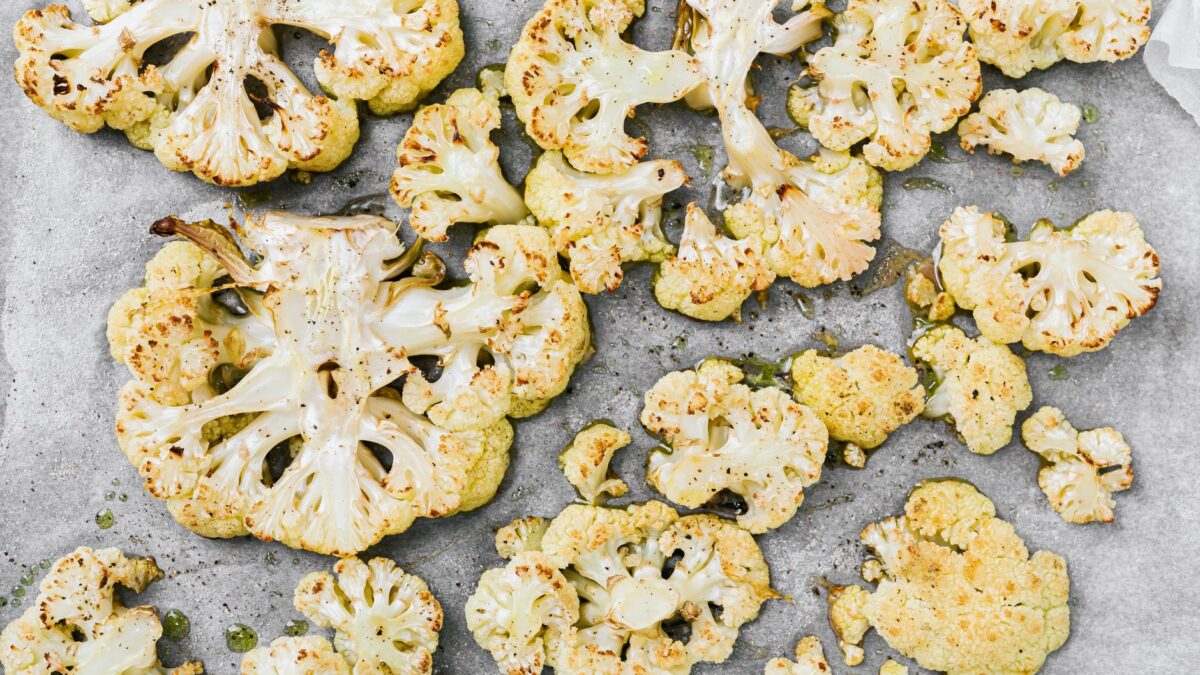
A sheet pan dinner is a full meal of protein and vegetables roasted together on one rimmed baking sheet, usually at 400 to 425°F (200 to 220°C) for 20 to 45 minutes depending on the ingredients. One pan means one dish to wash, and most of the work is chopping and seasoning, which suits weeknights with kids.
The basic formula is one protein, one or two vegetables, a starch if you want one, oil and seasoning. The sections below answer the questions parents ask most when they start cooking this way.
What is the basic formula for a sheet pan dinner?
Pick a protein, cut vegetables to match its cooking time, toss everything in 1 to 2 tablespoons of oil per pan with salt and pepper, spread it in a single layer and roast.
- Protein: chicken thighs or drumsticks, sausages, salmon fillets, shrimp, meatballs or cubed tofu.
- Vegetables: broccoli, carrots, bell peppers, zucchini, green beans, sweet potatoes, red onion.
- Starch: baby potatoes, sweet potato cubes or a loaf of crusty bread warmed at the end.
- Flavor: garlic powder, paprika, Italian seasoning, taco seasoning or a squeeze of lemon after roasting.
What temperature and time should I use?
Most sheet pan dinners roast well between 400 and 425°F (200 to 220°C). Lower temperatures leave vegetables soft and pale, while higher ones brown the edges.
Typical ranges at that heat are 10 to 15 minutes for shrimp and thin fish fillets, 15 to 25 minutes for broccoli, zucchini and bell peppers, 20 to 30 minutes for sausages and meatballs, 30 to 40 minutes for cubed potatoes and sweet potatoes, and 35 to 45 minutes for bone-in chicken thighs. Pieces cut smaller cook faster, so cut dense vegetables smaller than quick-cooking ones.
How do I cook everything so it finishes together?
Start the slow items first and add the fast ones partway through. Put potatoes and bone-in chicken in the oven first, then add broccoli or peppers for the last 15 to 20 minutes, and fish or shrimp for the last 10 to 15.
A second option is to use two pans. Putting the protein on one and the vegetables on the other lets each be removed when done, and it also stops moisture from crowding the pan.
Why are my vegetables soggy?
Soggy vegetables usually come from crowding the pan, wet vegetables or too little heat. Pieces that overlap steam instead of roast, so leave a little space between them and use two pans if needed.
Pat washed vegetables dry before oiling them, and preheat the oven fully. A pan that goes into the oven while it is still heating up cooks more slowly and browns less.
What internal temperatures are safe?
Use a food thermometer, because color is not a reliable sign of doneness. The USDA lists these minimum internal temperatures: 165°F (74°C) for chicken and other poultry, 160°F (71°C) for ground meats such as meatballs, and 145°F (63°C) for fish, with pork and whole cuts of beef at 145°F (63°C) followed by a rest. Check the thickest part of the food and avoid touching bone.
The foodsafety.gov site run by the US government publishes a full chart of safe minimum temperatures. Refrigerate leftovers within two hours of cooking.
How do I make it work for picky eaters?
Keep components separate on the pan so each child can see and choose what they eat, and season the protein simply. A plain section of potatoes or carrots next to a seasoned chicken thigh gives picky kids something familiar. For more ideas see easy weeknight dinners picky kids will eat.
If you prefer a stovetop meal on a night when the oven is busy, one-pan skillet chicken pasta follows the same one-dish idea. Planning several sheet pan nights in a week also fits a family meal plan on a budget, since chicken thighs, sausages and seasonal vegetables are low-cost choices.
How do I clean up fast?
Line the pan with parchment paper or aluminum foil before adding the food. After roasting, lift the liner and throw it away. Parchment is the better pick for acidic marinades, since foil can react with them.
If you skip the liner, soak the pan in hot soapy water for 10 to 15 minutes before scrubbing.
Quick answers
Can I use frozen vegetables on a sheet pan?
Yes. Roast them straight from frozen at 425°F (220°C) without thawing, and give them extra space because they release water as they heat. Expect a softer texture than fresh vegetables.
Can I prep a sheet pan dinner ahead?
Yes. Chop vegetables and season the protein up to a day ahead, store them covered in the refrigerator and roast when needed. Keep raw meat on the lowest shelf, away from ready-to-eat food.
How should I store leftovers?
Move leftovers to shallow containers within two hours of cooking and refrigerate them. Reheat to 165°F (74°C) before serving.
What size pan works best?
A standard rimmed half sheet pan, about 18 by 13 inches (46 by 33 cm), fits a meal for four. The rim keeps juices and oil from running into the oven.