How to Plan a Family Road Trip on a Budget, Line by Line
A road trip budget is five lines: fuel, lodging, food, attractions and a buffer. Estimate each, set a total, then trim the biggest lines first.
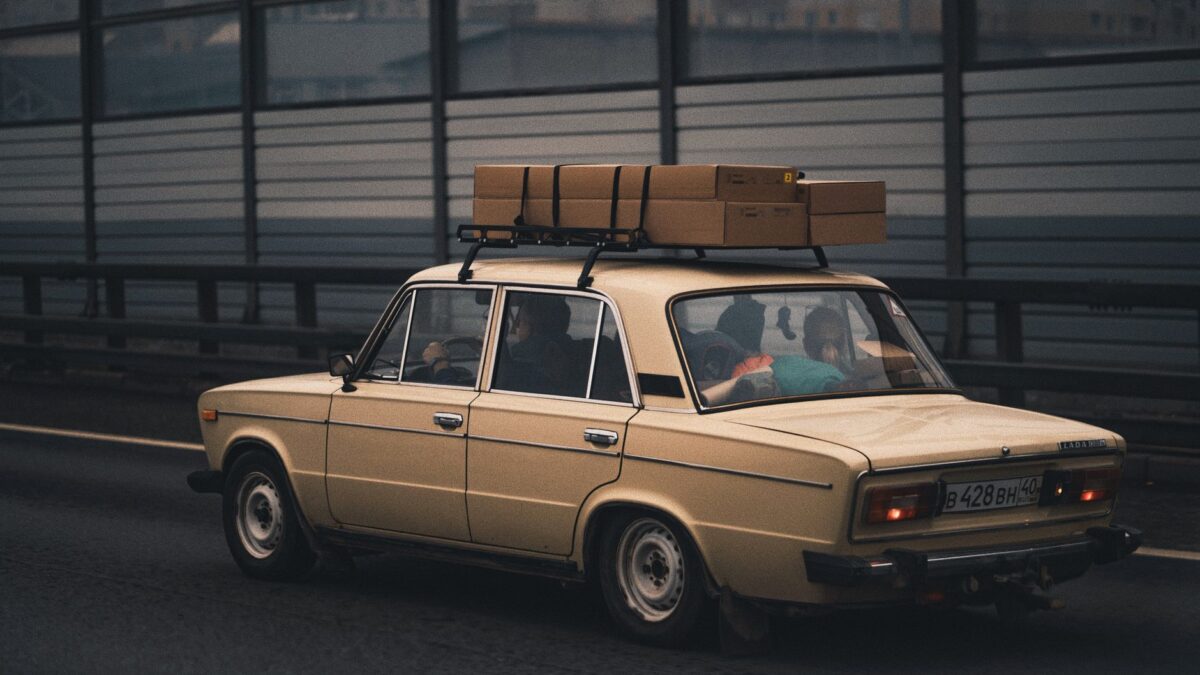
A family road trip budget comes down to five lines: fuel, lodging, food, attractions and a buffer. Estimate each one before you book anything, add them up, and trim the biggest lines first. Lodging and food usually have the most room to flex, while fuel is mostly set once you pick the route.
Step by step: build the budget
- Set a total and the dates. Decide the most the trip can cost, then work backward. Weekday travel and the weeks just outside peak season often cost less than holiday weekends and school breaks.
- Map the route and count the miles. Use a mapping app to get the round-trip distance, then add roughly 10 to 15 percent for detours, side trips and driving around once you arrive.
- Estimate fuel. Divide total miles by your vehicle’s miles per gallon, then multiply by the price per gallon. Example: 1,200 miles at 25 mpg is 48 gallons, which is about $204 at $4.25 a gallon. As of late October 2026, AAA’s national average for regular was about $4.20 a gallon, but prices swing by state and by week, so check a live tracker for your route.
- Price lodging per night, all in. Nightly rate plus taxes, parking, resort fees and pet fees. Compare the total, not the headline rate.
- Plan food by meal. Count breakfasts, lunches, dinners and snacks for each day, then decide which are packed, which are cooked and which are restaurant meals.
- Choose attractions. Pick one or two paid highlights and fill the rest with free stops.
- Add a buffer. A cushion of about 10 percent covers tolls, parking, a forgotten item or a small repair.
- Track as you go. A simple note on your phone with a running total keeps surprises small.
The five budget lines at a glance
| Line | What to include | Ways to trim |
|---|---|---|
| Fuel | Round-trip miles, detours, tolls | Compare prices on a gas app, keep tires at the pressure printed on the door-jamb label, pack light, and route around toll roads when the extra time is worth it |
| Lodging | Rate, taxes, parking, resort and pet fees | Pick free-cancellation rates, stay just outside busy city centers, look for rooms with a fridge and free breakfast, or try a campground or state park cabin |
| Food | Every meal, drink and snack | Shop at a grocery store on day one, eat breakfast in the room, picnic at lunch, and keep one restaurant meal a day at most |
| Attractions | Tickets, parking, rentals, souvenirs | Mix one paid highlight with free parks, beaches, trails and playgrounds; set a souvenir limit per child before you leave |
| Buffer | Tolls, laundry, parking, emergencies | Keep it untouched until the last day, then spend what is left on a treat |
Where the biggest savings usually are
Lodging
For a family of four or five, a standard hotel room may not fit, and two rooms double the cost. Look for suites, rooms with two queen beds, a cabin or a rental with a kitchen. Our hotel versus vacation rental comparison walks through the total-cost math. Book a refundable rate first, then check again closer to the date, because you can rebook if the price drops.
Food
Restaurant meals for a whole family add up faster than gas. A cooler, a grocery stop and a few shelf-stable staples cover most breakfasts, lunches and snacks. Our guide to road trip snacks and cooler packing covers what travels well and how to keep it safe.
Fuel
You cannot control the price, but you can control some of the consumption. Check tire pressure, remove roof cargo you do not need, avoid hard acceleration, and use cruise control on open highway. Plan fill-ups before long empty stretches so you are never forced to buy at the nearest, priciest station.
Attractions
Free and low-cost stops make the best memories on a budget. Many national park sites charge an entrance fee, and the National Park Service lists fee-free days each year, so check nps.gov before you pick dates. Some local libraries also lend museum or state park passes, so ask before you buy tickets. For more ideas on keeping a whole trip affordable, see our list of cheap family vacation ideas.
Before you leave: a quick car check
A breakdown is the budget buster nobody plans for. Before a long drive, check tire pressure and tread, oil and coolant levels, wipers, lights and the spare. Pack a phone charger, a flashlight, jumper cables, water and a small first-aid kit. If the car is due for service, get it done before the trip, not on the road.
Keep everyone happy on a tight budget
A tired, bored back seat leads to extra snack stops and impulse buys. Plan a stop every couple of hours for stretching and a free playground, and keep a few road trip games in reach. Share the route with older kids and let them pick one stop. Kids who help plan are often more patient in the car.
Bottom line
Build the budget one line at a time: fuel, lodging, food, attractions and a 10 percent buffer. Use the table to find where each line can flex, trim lodging and food first, and keep one paid highlight with free stops around it. A written plan with a running total turns a road trip from a guess into a number you can manage.
FAQ
How much should a family road trip cost?
There is no reliable single number, because it depends on distance, season, family size and how you eat and sleep. Use the line-by-line method above with your own mileage, lodging quotes and meal plan to get a figure that fits your trip.
Is driving cheaper than flying for a family?
For many families, driving costs less on short and medium trips because you pay for one vehicle instead of several tickets plus bags and a rental car. On very long trips, add up fuel, extra nights of lodging, meals and your time before deciding.
When should I book lodging?
For holiday weeks and popular destinations, book early and choose a refundable rate. For flexible, off-peak trips you may find better prices closer to the date, so check back periodically.
What should I cut first if the budget runs over?
Start with the paid attractions and restaurant meals, which are the easiest to swap for free stops and picnics. Keep the buffer and the car check, since they protect the rest of the trip.