Junior Ranger Program Guide: How Booklets and Badges Work
Junior Ranger booklets turn a park visit into a hands-on mission. Here is how they work, what ages they suit and how to fit one into your trip.
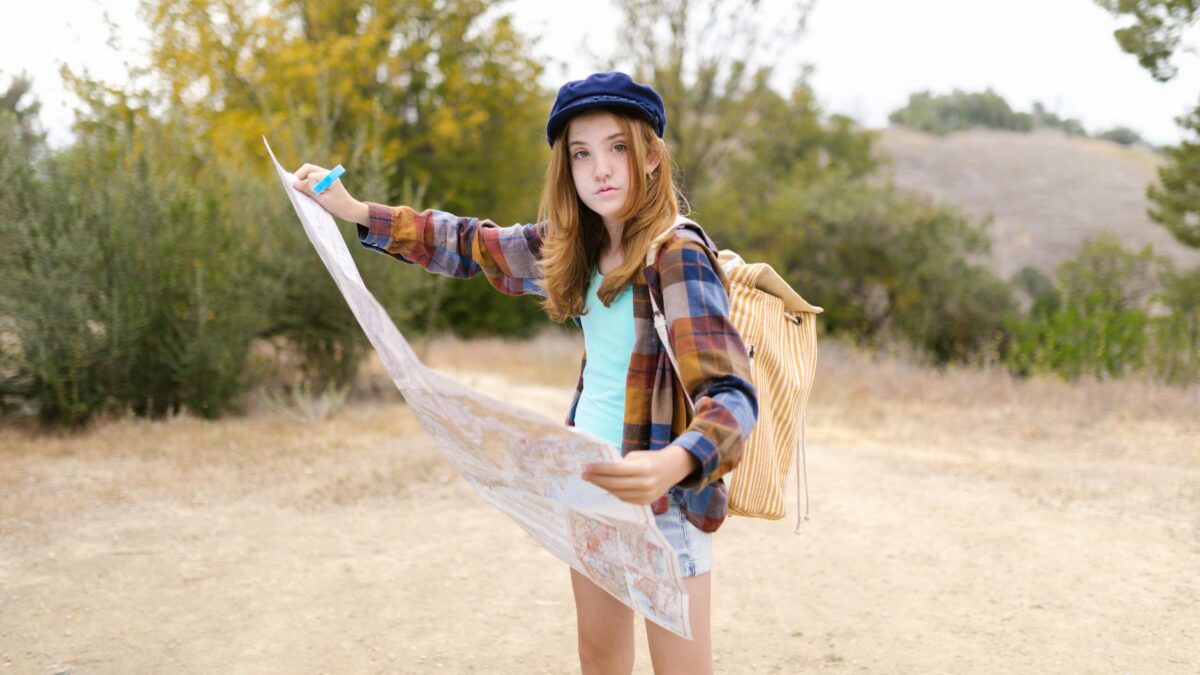
The Junior Ranger program is a free, self-guided activity program offered at many National Park Service (NPS) sites. Kids pick up a booklet at a visitor center, complete the activities and then show it to a ranger, who usually swears them in and hands over a badge. The details vary by park, so check the park’s own Junior Ranger page before you go.
How the Junior Ranger program works
Each park designs its own booklet around what makes the place special, such as geology, wildlife, history or night skies. Activities often include drawing, finding things on a trail, answering questions or attending a ranger-led program. The NPS says awards vary by program and may be a printable certificate, a badge, a digital high five or a physical patch.
Junior Ranger programs are not limited to big, famous parks. National monuments, historic sites, battlefields and seashores run them too, and many state parks have their own versions.
What ages is it for?
The NPS says many programs are aimed at ages 5 to 14, but people of all ages can take part. Some parks offer separate booklets for younger children, and adults often join in for the fun. Match the booklet to your child’s reading level, not just their age:
- Preschoolers: Look for a booklet for the youngest visitors, or have a grown-up read the questions aloud and let the child draw answers.
- Ages 5 to 8: They can do much of the booklet with help from a parent, especially the finding and drawing tasks.
- Ages 9 to 14: They can usually work on their own and may enjoy extra challenges like a ranger program.
- Teens and adults: They are welcome at most parks. Ask a ranger.
How to earn a badge, step by step
- Find the park’s Junior Ranger page. Search for the park name plus “Junior Ranger” on nps.gov. The NPS suggests checking with the park before your visit to see which programs it offers.
- Get a booklet. Ask at the visitor center or an entrance station. Some parks also offer a downloadable booklet.
- Read the requirements. Many booklets say how many activities to finish, and some ask you to attend a ranger program or walk a short trail.
- Complete the activities. Work on them during the day: at overlooks, picnic tables or on the trail. Bring a pencil.
- Return to the visitor center. A ranger checks the booklet and, at many parks, asks the child to say the Junior Ranger pledge.
- Collect the badge. Take a photo and, if you can, keep the booklet as a souvenir.
In person, at home or online
| Option | How it works | Good to know |
|---|---|---|
| In person | Pick up a booklet, complete it and show a ranger | The NPS says many programs offer a physical reward only in person at a participating location |
| Download and mail or email | Print the booklet at home and return it, if the park accepts that | Policies differ. Some parks accept completed booklets by email, and others do not mail rewards |
| Online or national booklets | Activities done online, such as Night Skies Explorer or Paleontologist programs | Awards vary and may be a printable certificate or a digital high five |
The NPS maintains a page of national Junior Ranger programs that lists online and downloadable options.
Planning checklist
Before the visit
- Check the park’s Junior Ranger page for booklet availability and any age guidance.
- Look up visitor center hours. Some close early or seasonally.
- See whether the park lists ranger-led programs you can fit in.
- Pack pencils, a clipboard or hard-cover book to write on and a bag for the booklet.
At the park
- Pick up the booklet first thing, then plan stops that match its activities.
- Let your child choose which activity to do at each stop.
- Ask a ranger questions. Many booklets reward curiosity.
- Leave time for the badge ceremony at the end.
After the visit
- Pin or sew the badge on a hat or backpack, and keep a log of the parks you visit.
- Look for Junior Ranger programs at sites closer to home.
Tips to make it work
- Do not rush the booklet. It is easier to work on it in small chunks than to finish at the end of a long day.
- Split the work for siblings. Younger kids can use the drawing pages while an older child tackles the questions.
- Combine it with a pass. A fourth grader’s free pass can cover entrance, as explained in our Every Kid Outdoors guide.
- Pick the right park. See our best national parks for kids for places with easy trails and ranger programs.
- Pack for the outing. Our day trip checklist covers snacks, timing and backup plans.
Bottom line
The Junior Ranger program is a simple way to make a park visit active. Check the park’s page first, pick up a booklet at the visitor center, give yourselves time to finish it and plan for the badge ceremony. If you cannot visit in person, ask whether the park or the NPS offers an online or downloadable version.
FAQ
Is there a fee for the Junior Ranger program?
Booklets are usually free, but a few parks sell optional extras such as patches. Check the park’s page.
Can adults earn a badge?
The NPS says people of all ages can take part, and adults often do. Ask a ranger at the park.
How long does it take to finish a booklet?
It varies by park and by child. A small historic site may take under an hour, while a large park may need most of a day. Flip through the booklet when you pick it up to plan.
Can we earn a badge without visiting?
Sometimes. Some programs have online activities or downloadable booklets, but many only give a physical reward in person.