Giving Back With Kids at the Holidays: Ideas by Age
Giving back with kids works best when the job fits their age: toddlers sort and carry, older kids plan and earn. Ideas by age, plus tips on charities and talks.
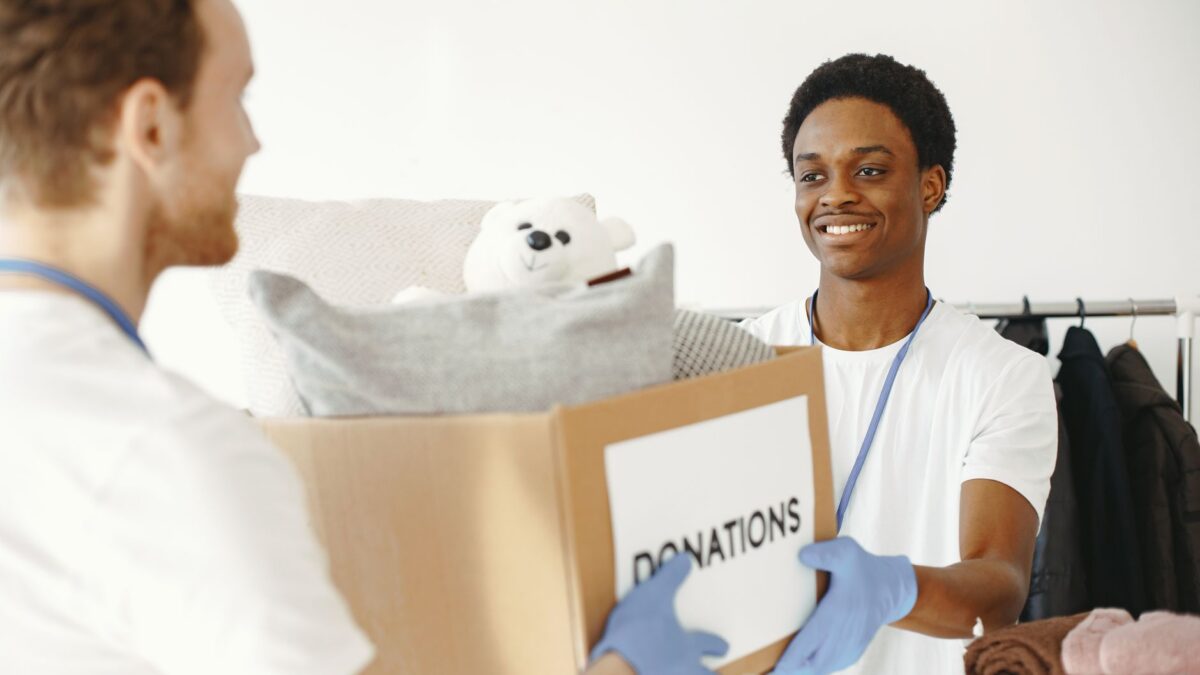
Giving back with kids at the holidays works best when each child has a real job that fits their age: toddlers can carry and sort, school-age kids can shop, make and deliver, and teenagers can plan projects and volunteer on their own. The most meaningful projects are small, hands-on and repeated, such as filling a food bank bag together or making cards for neighbors, rather than one large gesture the child only watches. Talking briefly about who the help is for, and why, turns a task into a lesson in kindness.
Why does giving back with kids matter at the holidays?
Giving back with kids at the holidays balances a season that can feel focused on receiving gifts. Children learn that other people have needs, that their own effort counts and that kindness is something families do together. Holidays also offer natural opportunities: food drives, toy collections, school projects and neighbors who may be alone. Keep the tone warm rather than guilt-driven. Children respond better to “we get to help” than to “you should be grateful.”
What can toddlers and preschoolers do to help others?
Toddlers and preschoolers (about ages 2 to 5) can help with simple, physical tasks they can see from start to finish. Short attention spans mean 10 to 20 minutes is plenty.
- Sort and carry donations. Let them choose a few canned goods from the pantry and place them in the food drive box.
- Pick a toy to give. Ask them to choose one toy in good condition to donate. Do not force a favorite.
- Draw cards. Scribbled pictures and stickers make cheerful cards for grandparents, neighbors or a local senior home (call first to ask what they accept).
- Help bake for a neighbor. Stirring and sprinkling are good jobs; the guide to cookie baking with kids by age lists safe tasks for little hands.
- Fill bird feeders. Caring for animals in winter is an easy first step toward caring for others.
How can school-age kids give back?
School-age kids (about ages 6 to 11) can take on projects with several steps, make choices and handle a little money. Giving them a say in the plan keeps them interested.
- Shop for a giving tree or toy drive. Give a set budget and let them choose a gift for a child their age.
- Use a giving jar. Some families split allowance into spend, save and give. At the holidays, the child decides where the give money goes.
- Make care kits. Pack socks, hats, gloves and travel-size toiletries into bags for a shelter, after checking the shelter’s list of needed items.
- Make and deliver gifts. Handmade items for grandparents or an older neighbor teach that time and effort are gifts too. Homemade ornaments are another option for neighbors or a care home.
- Write thank-you notes. Cards for mail carriers, sanitation workers, nurses or bus drivers recognize people who work through the holidays.
- Run a small collection. With school permission, a class or scout troop can collect food or coats.
What can teenagers do to help others at the holidays?
Teenagers (about ages 12 and up) can lead projects, volunteer more independently and connect giving to their own interests.
- Volunteer with an organization. Food banks, animal shelters and community meal programs often welcome teens, though many set minimum ages and require a parent for younger volunteers. Check before signing up.
- Organize a drive. A teen can set a goal, make flyers, collect items and deliver them.
- Use a skill. Shoveling snow, raking leaves or carrying groceries for an elderly neighbor, tutoring younger kids, or wrapping gifts for a charity event.
- Research a charity. Ask them to compare a few local groups and explain where the family’s donation should go and why.
- Give earnings. Teens with a part-time job can choose to donate a portion.
How do you choose where to give?
The best place to give is usually a local organization whose work your child can see or understand. A few practical steps:
- Start close to home. Food banks, shelters, libraries, schools and places of worship often run holiday programs.
- Ask what is needed. Many food banks and shelters publish wish lists. Some prefer money, since they can buy in bulk.
- Check the rules. Many groups cannot accept used stuffed toys, opened food or homemade food, and some ask for new, unwrapped gifts.
- Check the charity. In the US, look up a registered charity through the IRS search tool or a charity watchdog; in Canada and the UK, use the official charity registers.
- Plan beyond December. Many organizations get the most help in November and December and much less the rest of the year. A family project in late winter or spring can be just as welcome.
How do you talk to kids about people in need?
Talk to kids about people in need simply, honestly and without blame. Some guidelines:
- Use plain words: “Some families do not have enough food right now, so we are sharing.”
- Avoid describing people as “poor” or “less fortunate” in a way that sets them apart; focus on needs everyone shares, such as food, warmth and company.
- Answer questions briefly and let children lead. Young kids need less detail than teens.
- Protect dignity: do not take photos of people receiving help, and remind kids that the goal is helping, not being thanked.
- Afterward, ask what they noticed and how it felt. A short talk helps the experience stick.
What mistakes should parents avoid?
The most common mistake is doing the giving for the child instead of with the child. Other pitfalls:
- Too big a project. A tired, bored child learns little. Keep it short and finishable.
- Forced giving. Making a child give away a beloved toy can cause resentment.
- One-time only. Small, regular acts teach more than a single December event. Building a weekly kindness task into an after-school routine keeps the habit going.
- Skipping safety. Supervise young children at volunteer sites, and check age rules and any health requirements first.
Quick answers
What age can kids start volunteering?
Kids can start giving back at home as toddlers. Formal volunteering depends on the organization, and many set minimum ages or require a parent to come along, so ask before signing up.
Is donating money or items better?
Both help. Money is often more flexible for charities, while items let young children see and touch what they are giving. Check what the organization asks for.
How can kids give back without spending money?
Kids can give time and effort: making cards, helping a neighbor with chores, donating outgrown clothes in good condition or visiting an older relative.
How do you keep giving back going after the holidays?
Choose one small monthly family act, such as a food bank trip or a card for a neighbor, and put it on the calendar.