Family Declutter Challenge: 40 Bags in 40 Days
Forty small bags are easier than one huge purge. This day-by-day plan goes room by room, gives kids a job and covers what to donate, sell or toss.
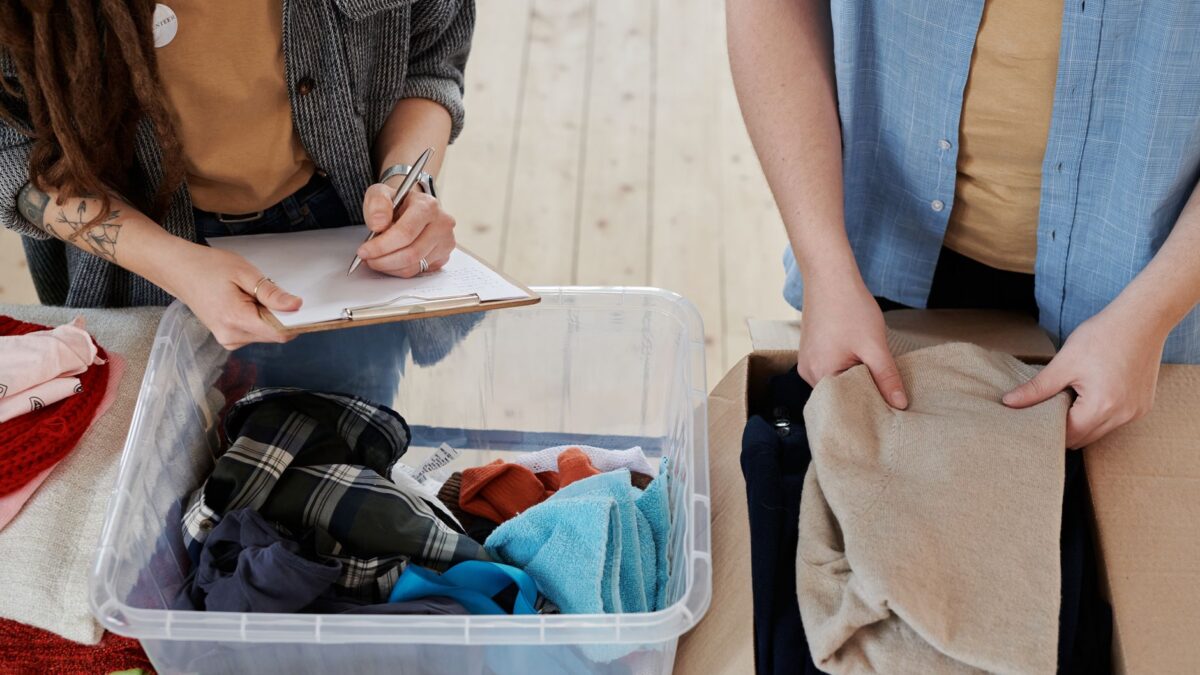
A family declutter challenge works best as a 40-day, one-bag-a-day plan: every day, the family fills one bag or box from a single area, sorts it into donate, sell, trash or recycle, and moves on. Start with the easy spots (junk drawer, shoes, expired food) and finish with the bigger rooms. Kids can help by picking items from their own space and carrying bags to the car. The calendar below runs room by room.
The rules
- One bag or box a day. Fill one grocery bag, trash bag or small box. Smaller bags make it feel doable, especially when time is short.
- One small area at a time. A drawer, a shelf or a closet, not a whole room.
- Four destinations: donate, sell, recycle or trash. A fifth “not sure” box is allowed, labeled with a date to look at it again in a month.
- Skip days as needed. The goal is 40 bags, not necessarily 40 days in a row. If life gets busy, pick up where you left off.
- Take things out of the house. Put donation bags in the car trunk on the same day so they do not move back in.
A start that fits many families: begin on a Monday and set the finish line before the busy end of the year. If you start on Monday, November 9, day 40 lands on December 18, ahead of holiday guests and new toys.
Jobs for kids
- Ages 3 to 5: Choose five toys or books to donate, carry small bags and put stickers on boxes.
- Ages 6 to 9: Sort their own clothes into keep and outgrown, match shoes and help check toys for missing pieces.
- Ages 10 and up: Take photos of items to sell, help list them with an adult, and handle their own closet and desk.
Let children decide about their own belongings within limits you set, and keep the pace gentle for kids who struggle to let go of things. Avoid throwing away a child’s items in secret, which can cause conflict.
The 40-day calendar
| Day | Area | Kid-friendly job |
|---|---|---|
| 1 | Kitchen junk drawer | Sort pens and rubber bands |
| 2 | Expired pantry items | Read the dates aloud |
| 3 | Fridge door and condiments | Hold the trash bag |
| 4 | Plastic containers and lids | Match lids to bottoms |
| 5 | Mugs, cups and water bottles | Pick favorites to keep |
| 6 | Entryway shoes | Try on shoes for fit |
| 7 | Coats, hats and gloves | Check each one for fit |
| 8 | Bags, backpacks and totes | Empty pockets |
| 9 | Mail and papers | Open and sort junk mail |
| 10 | Cleaning supplies | Group by room |
| 11 | Bathroom drawers | Return toothbrushes to a cup |
| 12 | Medicine cabinet | Adult only; see note below |
| 13 | Towels and linens | Fold and stack |
| 14 | Under-sink storage | Hand over items |
| 15 | Living room shelves | Dust and sort books |
| 16 | Remotes, cords and chargers | Match cords to devices |
| 17 | Magazines and old books | Pick books to donate |
| 18 | Game and puzzle cabinet | Check for missing pieces |
| 19 | Throw pillows and blankets | Test each for comfort |
| 20 | Decor and knick-knacks | Choose five favorites |
| 21 | Child’s closet: clothes | Try on and sort |
| 22 | Child’s drawers | Sort socks and pajamas |
| 23 | Toy bins | Pick toys to donate |
| 24 | Stuffed animals | Choose keepers |
| 25 | Art supplies | Test markers, toss dried ones |
| 26 | School papers and artwork | Choose a few favorites |
| 27 | Books on kids’ shelves | Choose books to pass on |
| 28 | Sports gear and outdoor toys | Check for fit and wear |
| 29 | Second child’s or teen’s room | Teen leads |
| 30 | Adult closet: clothes | Hold the donate bag |
| 31 | Adult closet: shoes and bags | Line up pairs |
| 32 | Nightstands and bedroom drawers | Carry the bag out |
| 33 | Home office or desk | Shred paper with an adult |
| 34 | Craft and hobby supplies | Sort by type |
| 35 | Holiday decorations | Check ornaments for damage |
| 36 | Garage or storage shelves | Adult sorts; kids carry light bags |
| 37 | Car interior | Collect trash and toys |
| 38 | Seasonal clothes in storage | Sort by size |
| 39 | Photos and keepsakes | Choose favorites for a frame |
| 40 | “Not sure” box and final sweep | Decide together |
What to donate, sell, recycle or toss
- Donate: clean clothes, shoes and coats in good shape, books, toys with all their pieces, kitchenware and household goods. Call or check the charity’s website for what they accept.
- Sell: larger items such as strollers, furniture, name-brand clothing and sports gear. Local buy-and-sell groups or a consignment shop are options.
- Recycle: paper, cardboard, glass and metal per your local program. Many areas have special drop-offs for electronics, batteries and cords.
- Toss: broken items, stained clothes, dried markers and anything unsafe.
Safety notes
- Recalled products. The Consumer Product Safety Commission says it is illegal to sell any recalled product, and sellers should check cpsc.gov/Recalls before listing. Don’t pass on recalled items to others, either. Cribs, strollers, car seats, sleepers and similar children’s gear are worth checking.
- Car seats. Each seat has a manufacturer expiration date and a model number on its label. Don’t donate or sell a seat that is expired, recalled, damaged or has been in a crash. Ask your local waste program or a retailer about car seat recycling.
- Medicines. Use a pharmacy or community take-back program rather than the trash, unless the label gives other instructions. Ask your pharmacist if you are unsure.
- Hazardous waste. Paint, batteries, chemicals and electronics often need special disposal. Check your city or county website.
Keep the clutter from coming back
- One in, one out. When something new comes in, something leaves.
- Give things a home. Labeled bins and hooks make tidying easier. Our toy rotation system and playroom makeover on a budget can help with kid spaces.
- Make tidying a habit. A ten-minute evening reset, with each child doing their own part, goes a long way. See our chore chart by age for ideas.
- Ask before buying. Pause for a day before buying something that is not a necessity.
Bottom line
Forty small bags are easier than one big weekend purge. Start with the easy areas, share the work with your kids and send donations out of the house the same day. Check recalls before you pass anything along, and be patient with each other.
FAQ
Do we have to do 40 days in a row?
No. Keep a tally and finish when you finish. Some families do weekdays only, and others skip holidays.
How do I get my kids on board?
Let them choose what goes, give them a role and offer a small family reward at the end, such as a movie night or a trip to the park.
What if my partner or kids keep everything?
Start with your own things and shared spaces like the pantry or garage. Offer to store a box of “maybe” items for a month before making a final decision.
What should I do with items I cannot donate?
Check the local recycling and household hazardous waste programs, or ask the manufacturer or a retailer about take-back options.