Nature Scavenger Hunt for Kids: Find-It Lists by Season and Age
A scavenger hunt turns any walk into a mission. Use these find-it lists by season and age for parks, backyards and city sidewalks.
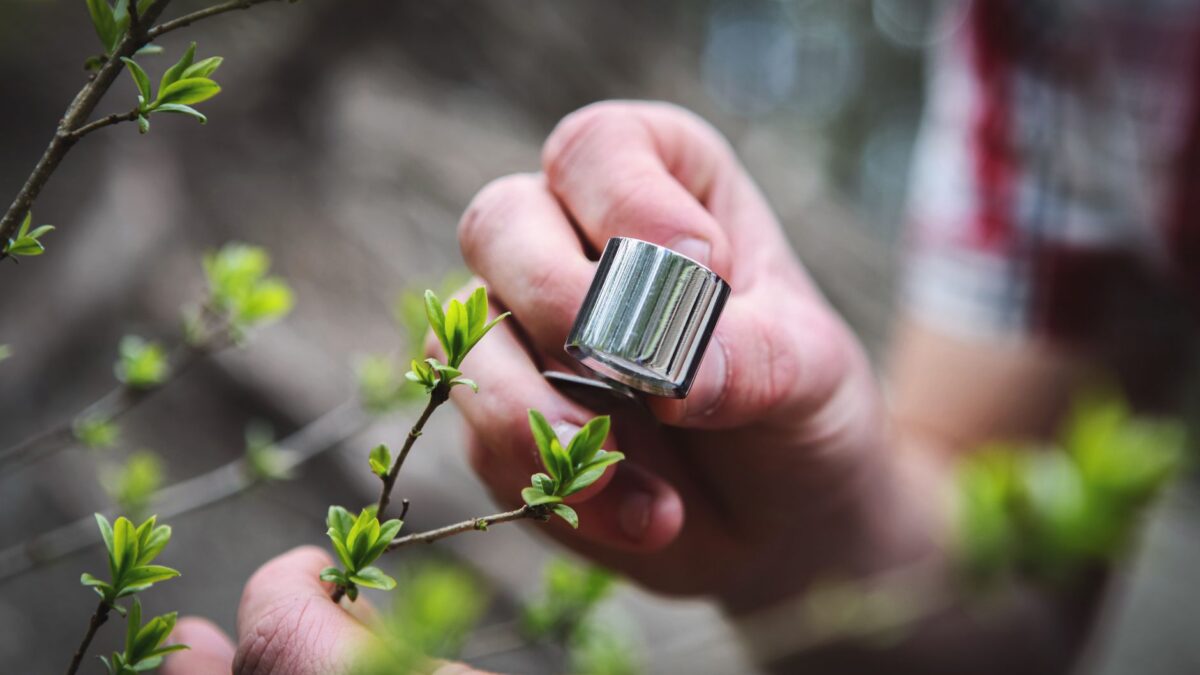
A nature scavenger hunt is a list of things to find, count or photograph outside, and it works at a park, in a backyard or on a city sidewalk. Give preschoolers a short list of colors and shapes, school-age children a checklist with counts, and tweens a photo challenge. Below are find-it lists for every season, a quick set of ground rules and safety tips.
How to run a hunt
- Pick a list. Choose the season and match it to your child’s age. Ten items is plenty for a first try.
- Set up the kit. A paper bag or small bucket, a pencil and a clipboard or hard book to write on. A phone camera works well for photos.
- Agree on the rules. Look and touch gently, but leave plants, animals and rocks where they are. Never taste wild plants or berries, and stay within sight of an adult.
- Set a time or a goal. For example, find 8 of 12 things in 30 minutes.
- Share at the end. Compare finds, vote for the best one and add new ideas to the next list.
Seasonal find-it lists
Spring
- A bud on a branch
- A bird’s nest, or a bird gathering nesting material
- Something blooming, such as a dandelion or a violet
- A worm or a bug on the ground
- A puddle with a reflection
- Green shoots coming up through soil
- A feather
- Something that smells fresh after rain
Summer
- A bee or butterfly on a flower
- A seed with fluff or wings
- Something that gives shade
- A cloud shaped like an animal
- A spider web
- Something smooth, something rough
- A fruit or vegetable growing
- An insect you can hear but not see
Fall
- Three leaves in different colors
- An acorn, pine cone or seed pod
- A squirrel storing food
- Something brown, red and yellow
- A leaf with a hole or an unusual edge
- Something that crunches underfoot
- A migrating bird, or a V-shaped flock
- A mushroom, to look at only, never to touch or eat
Winter
- Animal tracks in snow or mud
- A bare tree and its shape
- An evergreen with needles or cones
- Frost, ice or a frozen puddle
- A bird at a feeder
- Your breath making a cloud
- Something that is still green
- A seed head left standing, such as a dried flower
Match the hunt to the age
| Age | Format | Example |
|---|---|---|
| Preschool (3 to 5) | Picture list, color or shape matching, with an adult reading it | Find something red, something round, something soft |
| School age (6 to 11) | Word list with check boxes and counts | Find five different leaves. Count the legs on a bug |
| Tweens and teens (12+) | Photo or sound challenge, a timed team race | Photograph the best pattern. Record three bird sounds |
Ideas for different places
- Backyard: The busiest bug under a rock, a bird at a feeder, three kinds of weeds, an animal home. More ideas are in our backyard games list.
- City sidewalk: A plant growing in a crack, moss on a wall, a tree with unusual bark, a bird on a wire, something shaped like a letter.
- Park or trail: A fallen log, a stream, a rock with a stripe, an animal sign such as a hole or a feather.
- National or state park: Combine the hunt with a Junior Ranger booklet, as described in our Junior Ranger guide.
Game variations
- Color match: Give each child a paint-chip card and find nature items that match.
- Five senses: Find something to see, hear, feel and smell, then finish with a snack you brought from home.
- ABC hunt: Find something that starts with each letter.
- Bingo: Draw a 3 by 3 grid and mark items as you find them.
- Photo only: Skip collecting and take pictures so everything stays in place.
- Team race: Split into teams, with one adult each, and see who finds the most items safely.
Safety and good habits
- Ticks: In tick areas, the CDC recommends EPA-registered repellent, walking in the center of trails, checking everyone after outings, showering within two hours and drying clothes on high heat for 10 minutes. See the CDC tick prevention page, and ask your pediatrician if you have questions about repellent for young children.
- Plants: Learn what poison ivy and other irritating plants look like where you live, and teach children not to touch plants they do not know.
- Do not eat what you find: Berries, mushrooms and seeds can be harmful.
- Leave things as you find them: In national parks and many other protected areas, collecting plants, rocks and animals is not allowed. Check the rules before you go, and take photos instead.
- Dress for it: Closed shoes, hats and layers help with sun, bugs and weather.
Looking for more seasonal ideas? Try our spring bucket list.
Bottom line
A nature scavenger hunt needs only a list, a pencil and a place to walk. Keep the list short, match it to your child’s age and make leaving things as they are the first rule. Rotate the lists by season and the same park will feel new each time.
FAQ
How long should a nature scavenger hunt last?
For preschoolers, 15 to 30 minutes is plenty. Older children may enjoy an hour or more, especially with a timer or team challenge.
What if we can’t find everything on the list?
That is part of the game. Choose a goal such as finding 8 of 12, or add a bonus item for something unexpected.
Can we do this in the city?
Yes. Look for plants in sidewalk cracks, birds, trees, moss, clouds and patterns in stone or bark.
Should kids pick up what they find?
Not unless it is yours to take, such as a fallen leaf in your own yard. Photographing items keeps nature intact and is better in parks.