School Supply List by Grade: What to Buy Now and What to Wait For
Most supply lists start with the same basics. Here is a checklist by grade band, plus how to tell what to buy now, what to wait on and what to reuse.
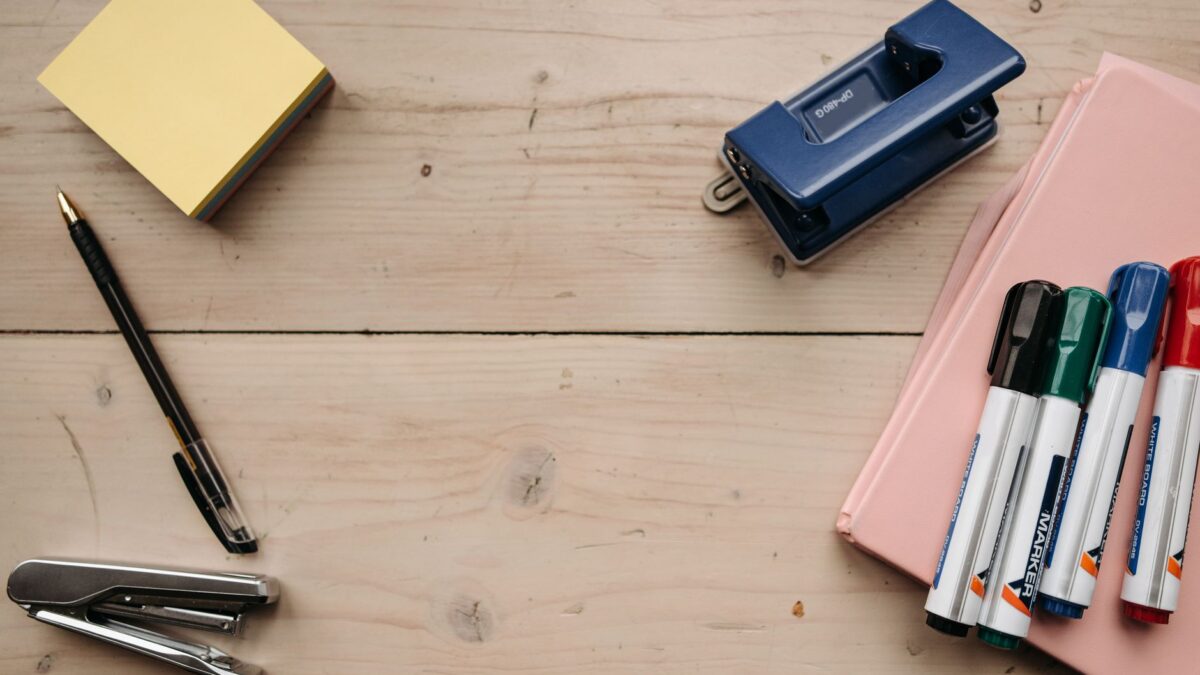
Most school supply lists share the same basics: pencils, paper, folders, crayons or markers, scissors and glue. Buy those basics early, wait for the teacher’s list before buying anything specific, such as calculators, binders and art kits, and use what you already have first. The table below shows what is common at each grade band, so you can build a shopping list and avoid duplicates.
Supply checklist by grade
Every school and teacher is different, so use this as a planning list. Your school’s official list always wins.
| Grade band | Common basics | Wait for the teacher’s list |
|---|---|---|
| Pre-K and kindergarten | Right-sized backpack, labeled change of clothes, water bottle, crayons, washable markers, glue sticks, blunt safety scissors, folder, tissues | Rest mat or blanket, specific folder colors, headphones, paint smock |
| Grades 1 and 2 | Pencils with erasers, extra erasers, crayons, colored pencils, glue sticks, scissors, pencil box, plastic folders, ruler | Notebook type (wide-ruled, composition, primary), headphones, supply bin for the class |
| Grades 3 to 5 | Pencils, blue or black pens, highlighters, notebooks or paper, folders, ruler with inches and centimeters, markers, colored pencils, index cards | Binder or notebook system, dividers, protractor, subject-specific notebooks, headphones |
| Grades 6 to 8 | Binder and dividers, loose-leaf paper, pens, pencils, highlighters, planner, earbuds or headphones, locker organizer, gym clothes | Calculator model, subject notebooks, project materials, instrument or art supplies |
| Grades 9 to 12 | Planner, binders, graph paper, pens, highlighters, index cards, flash drive, earbuds, water bottle | Scientific or graphing calculator, lab notebook, course-specific books or supplies, device and charger needs |
Buy now, wait, or reuse
- Check what you have. Dump out last year’s supplies and sort them into keep, repair and toss. Unused notebooks, markers that still work and a full pencil case save money.
- Buy the universal basics. Pencils, paper, folders, crayons and glue sticks are asked for almost everywhere. Buying them early or when they go on sale is low risk.
- Wait for the specifics. If you do not yet have the teacher’s or school’s list, hold off on notebooks with a certain ruling, binders in certain colors, calculators and art kits. Teachers differ, and a wrong notebook is wasted money.
- Ask about shared supplies. Some classrooms collect supplies into shared bins. Others ask for tissues, wipes or paper towels. Buy those only if they are on the list.
- Label everything. A permanent marker on pencil boxes, water bottles, coats and calculators helps lost items find their way home.
What you can usually reuse
- Backpacks and lunch boxes, if they are clean and in good shape.
- Binders, with the old paper taken out.
- Rulers, scissors, protractors and pencil cases.
- Notebooks with unused pages. Tear out used pages, or use the extra pages for scratch paper at home.
- Colored pencils, markers and crayons that still work. Sort out broken pieces for a family craft jar.
- Headphones or earbuds, if your child still uses them and the school allows them.
If your closet is overloaded, our family declutter challenge is a good time to sort what you can donate to a classroom or a neighbor.
Backpack basics
A backpack is not a supply, but it carries everything else. The American Academy of Pediatrics’ backpack safety guide recommends choosing a pack that fits your child’s size, with padded, adjustable shoulder straps, and says a loaded pack should not weigh more than about 15 percent of your child’s body weight. Pack the heaviest items closest to the back, wear both straps and watch for a child who leans forward to carry the load. If your child complains of back, neck or shoulder pain, mention it to your pediatrician.
Safety and allergy notes
- Art supplies: For young children who put things in their mouths, look for art materials labeled as non-toxic and made for children, and follow the age labels on the package.
- Scissors and sharp tools: Choose blunt-tipped scissors for younger children, and teach older children how to carry compasses and craft knives safely.
- Small parts: Keep an eye on small erasers, magnets and beads if there are toddlers at home who might find them.
- Allergies: Some classrooms ask for latex-free or fragrance-free supplies. Read the teacher’s note and ask if you are unsure.
Plan for the second half of the year
Supplies often run low by midyear. As of November, many children have used up the first set of pencils, erasers and glue sticks. Take an inventory before winter break, restock the basics when they are on sale and ask the teacher if the class needs anything else. Keep a small drawer at home with extra pencils, paper, tape and glue so a late-night project does not require a store run.
To plan the total cost, see our back-to-school shopping budget. For a homework-ready setup, see our homework routine for kids and its station checklist.
Bottom line
Buy the universal basics early, wait for the teacher’s list before the specific items, and reuse what you can. Label everything, check backpack fit and restock midyear. A short, flexible list saves both money and extra trips.
FAQ
When should I buy school supplies?
Buy the basics when they are on sale and as soon as you know your child’s grade. Wait for the teacher’s list for anything that is specific, such as a binder type or a calculator model.
Do I need to buy everything on the list?
If the list is long, ask the school whether any items are shared or optional. Some schools have programs to help families with supplies, and you can ask the office or the teacher.
Can older kids shop on their own?
Yes. Give a budget and a written list, and let them choose within it. It is good practice for planning and spending.
What should we donate to the classroom?
Only what the teacher asks for. Tissues, wipes and pencils are common requests. When in doubt, ask.