Your First Family Camping Trip: A Step-by-Step Guide for Beginners
A first camping trip works best when it is short, close to home and simple. Here is a step-by-step plan, a gear checklist and safety basics for families.
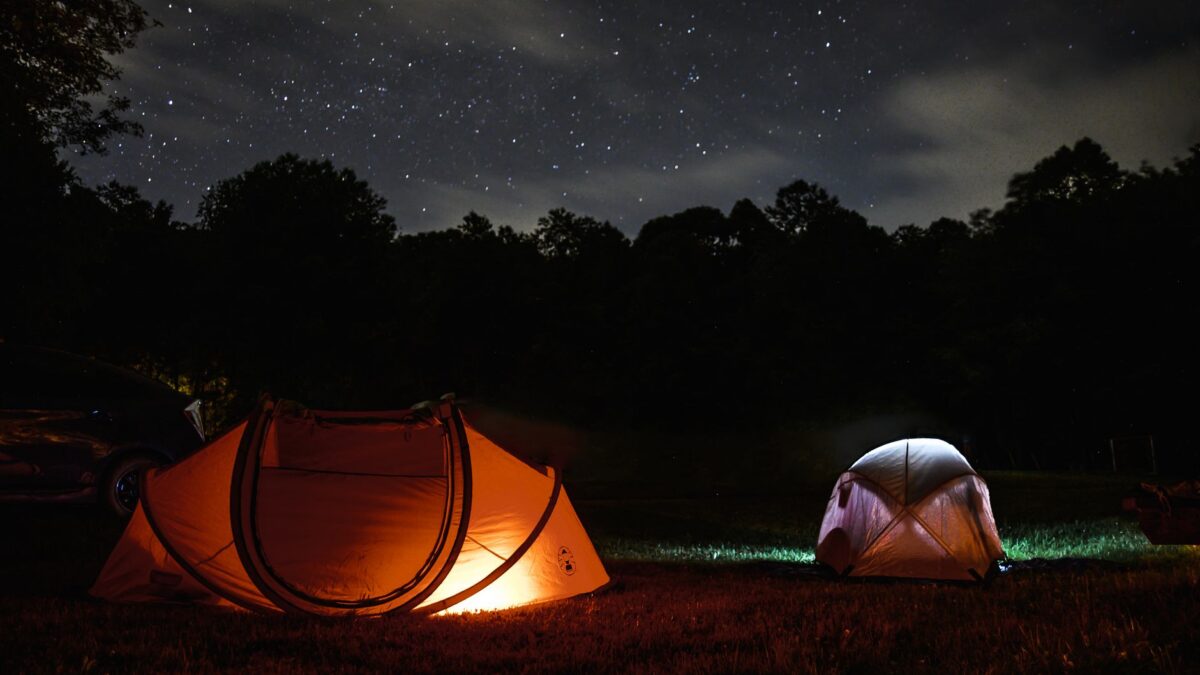
The easiest first family camping trip is one or two nights at a developed campground within a couple of hours of home, after a practice night in your own yard. Borrow or rent what you can, keep the menu simple and plan one main activity a day. The goal is not a perfect trip. It is a short one that leaves everyone wanting to go again.
Step by step
- Do a practice night in the yard. Set up the tent, unroll sleeping bags and sleep outside, with the house nearby as a backup. You will learn what leaks, what is missing and how each child handles the dark. Cook one simple meal outdoors while you are at it.
- Choose an easy campground. Look for a state or national park campground with restrooms, drinking water and a short drive from home. Skip remote or backcountry sites on your first try.
- Book early. Many federal campgrounds use Recreation.gov, where sites typically open on a rolling basis about six months ahead. State parks and private campgrounds use their own systems and windows, so check the “Seasons and Fees” tab or the park’s website. Popular weekends fill quickly.
- Pick a good site. Level ground, some shade and a spot near, but not right next to, the restrooms usually work well. Avoid sites right on a road or at the edge of a steep drop.
- Check weather and rules. Look at the forecast, check-in times, quiet hours and any fire restrictions or burn bans.
- Plan the meals. Write a menu for each meal, and pack to the plan. See the food section below.
- Pack, then pack less. Use the checklist below and borrow big items. Keep one bag for each person’s clothes.
- Arrive early. Set up while it is still light, and give kids a job like handing over tent stakes or unrolling sleeping bags.
Gear checklist: borrow, rent or buy
| Item | Best way to get it | Notes |
|---|---|---|
| Tent | Borrow or rent | Choose one person-size larger than your headcount. Practice setting it up first |
| Sleeping bags | Borrow or use what you have | Pick bags rated below the forecast low. Blankets can work for warm nights |
| Sleeping pads or air mattresses | Borrow or buy | Pads insulate from the cold ground, which is often what keeps kids awake |
| Headlamps or flashlights | Buy | One for each person, plus spare batteries |
| Camp stove and fuel | Borrow or rent | Cook outdoors only |
| Cooler and ice | Use what you have | Keep raw meat separate from other food |
| Water jugs | Use what you have | Even where taps are available, bring some water |
| Camp chairs and a tarp | Borrow | A tarp gives shade or shelter from rain |
| First-aid kit, sunscreen, bug repellent | Buy or assemble | Bring any medicines your family needs |
| Comfort items | From home | A favorite stuffed animal can make the night easier |
For a longer list that works for any trip, see our family vacation packing list.
Food: keep it easy
- Breakfast: Oatmeal packets, bagels and fruit, or pancakes from a mix you prepare at home.
- Lunch: Sandwiches, wraps or cheese and crackers, so no cooking is needed.
- Dinner: Hot dogs, foil-packet meals or pasta, with s’mores as a treat.
- Snacks: Plan more than you think you need, since kids are hungrier outdoors.
If a child is younger than four, the American Academy of Pediatrics lists hot dogs, whole grapes and popcorn among common choking hazards. Cut round, firm foods into very small pieces, and have children sit down to eat. Keep the cooler cold, and follow your campground’s rules for food storage. In many places that means keeping food in a hard-sided vehicle or a provided locker, not in the tent.
Safety basics
- Carbon monoxide: Never use a camp stove, grill, lantern or heater inside a tent or other enclosed shelter, even with the door open. The CDC explains the risks on its carbon monoxide page.
- Fire: An adult stays in charge of the fire. Set a no-go line for kids, keep water nearby and put the fire fully out before bed or leaving: drown it, stir it and feel for heat.
- Ticks and bugs: Use an EPA-registered repellent, check for ticks after outings and dry clothes on high heat when you get home, as the CDC’s tick page recommends. Do not use some products, such as those with OLE or PMD, on children under 3.
- Wildlife: Do not feed animals. Store food as the campground directs.
- Water and weather: Know where the nearest drinking water and shelter are, and watch the forecast for storms.
- Babies and toddlers: If you plan to camp with an infant, ask your pediatrician about safe sleep and temperature before you go.
Keep kids happy at camp
- Give each child a job, such as flashlight monitor or marshmallow roaster.
- Try a nature scavenger hunt on the first afternoon.
- Bring a few simple games from our backyard games list.
- Stick to normal bedtime routines where possible.
- Plan to leave early if the weather turns. A cut-short trip still counts.
When you are ready for a bigger adventure, our guide to the best national parks for kids is a good next step.
Bottom line
For a successful first camping trip, keep it short, local and simple. Practice in the yard, book a developed campground, borrow the big gear and cook easy food. Follow basic safety rules around fire, stoves, ticks and wildlife, and be ready to adjust the plan.
FAQ
How many nights should a first trip be?
One or two nights is plenty. A single night lets you test the gear and routines without a big investment.
Do we need to buy a lot of gear?
No. Borrow or rent the tent and stove, and use what you have for bedding, chairs and cooking tools. Buy only items you will use again.
What if a child is afraid of the dark?
Try the yard night first, bring a night light or headlamp and keep a familiar bedtime routine. If the fear lingers, stay closer to home next time.
Is it safe to camp with a baby?
Many families do, but babies have special safe sleep and temperature needs. Talk with your pediatrician before you plan the trip.