Cheap Family Vacation Ideas: Lower-Cost Trip Types Compared
A cheap family vacation starts with the trip type, not the destination. Here are eight low-cost options compared by cost, what drives the price and how to trim it.
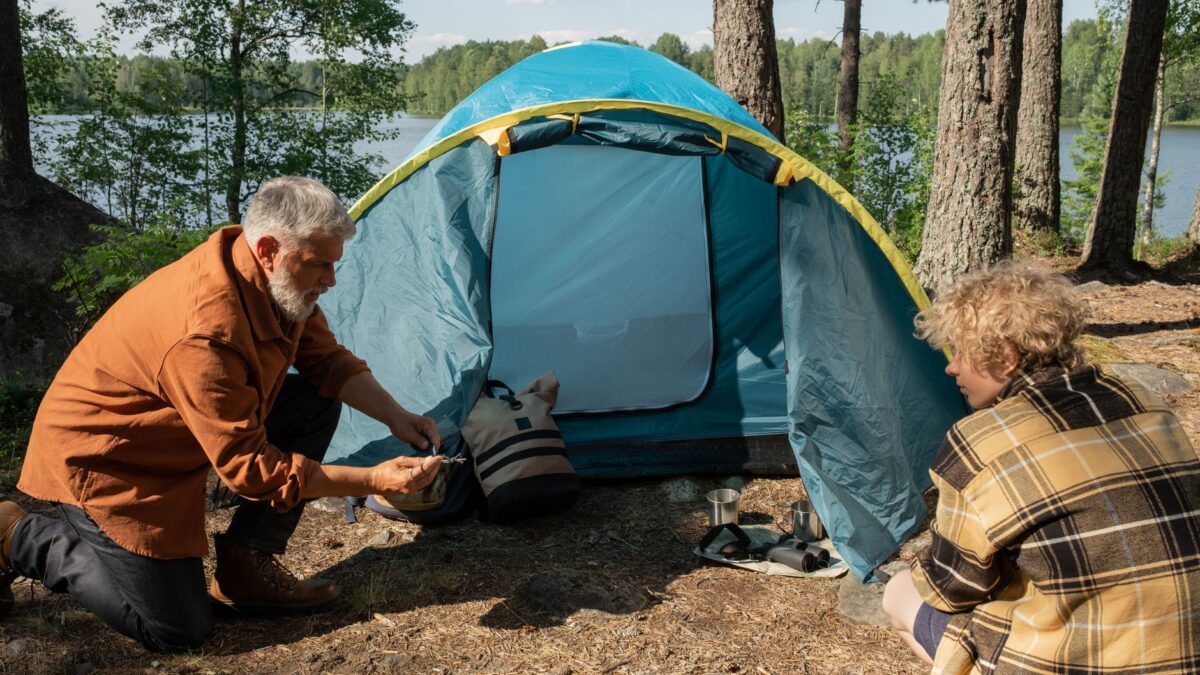
The cheapest family vacations share three traits: short travel, a place to cook and attractions that are free or low-cost. That usually means a staycation, a state park, a visit with relatives, an off-season beach town or a city with free museums. The table below compares eight trip types by cost level and what drives the price, followed by tips for trimming each part of the budget.
Prices change quickly and vary by region and season, so the cost levels here are rough guides. Where we cite a number, it is a range as of November 2026, and you should confirm the current rate on the official booking page before you plan.
Trip types compared
| Trip type | Cost level | What drives the cost | Best for |
|---|---|---|---|
| Staycation | Lowest | Local outings and meals out | Families with young kids, tight budgets or limited vacation time |
| Visiting family or friends | Low | Travel, gifts, and meals out | Families who can stay with relatives |
| State park tent camping | Low | Site fee, gear, food | Kids who like the outdoors, ages 4 and up |
| State park cabin or lodge | Low to medium | Nightly cabin rate and park fees | Families who want a bed and a kitchen without a tent |
| National park visit | Low to medium | Entrance fee, lodging nearby, food | School-age kids and older, anyone who likes hiking |
| Off-season beach town | Low to medium | Lodging, which drops outside summer | Families with flexible dates and no school schedule |
| City with free attractions | Medium | Lodging, parking and food | Families who like museums and parks |
| Cabin rental in the woods | Medium | Nightly rate, cleaning fees and travel | Groups that can split the cost |
1. Staycation
A staycation means spending vacation days at home while acting like a tourist. Plan one outing a day, such as a local museum, a trail or a day at a pool, and eat some meals out as a treat. Our staycation ideas for families include a sample itinerary and ideas by budget.
2. Visiting family or friends
If relatives or friends live in a place you want to visit, staying with them can save the biggest line item. Offer to cook a meal, cover groceries and plan one outing so you are a guest rather than a burden. Keep the trip short, and give everyone room to breathe.
3. State park camping
State parks often have lower fees than private campgrounds, plus playgrounds, trails and swim areas. As of November 2026, published site fees for basic tent camping range from about $11 a night in some state systems to $45 or more in higher-demand areas, so check the specific park’s rate page. Hookups, peak season and weekends usually cost more, and you may need to pay a reservation fee or a day-use fee.
- Book early for summer weekends and holidays.
- Try a midweek stay for lower rates and smaller crowds.
- Borrow or rent gear for a first trip before you buy.
Our guide to a first family camping trip covers site choice, gear and a practice night in the yard.
4. State park cabin or lodge
Many state parks offer rustic cabins, lodges or yurts. They cost more than a tent site, but you get a roof and often a small kitchen. Prices vary widely by state, season and cabin size, so check the park’s reservation page for current rates and minimum stays.
5. National park visit
National parks can be a good value, especially if you already live within driving distance. The National Park Service (NPS) charges entrance fees at many parks, and several free or discounted options exist.
- Annual pass. The America the Beautiful annual pass costs $80 for U.S. citizens and residents as of November 2026. It can pay off if you plan several visits in a year.
- Fee-free days. As of early November 2026, Veterans Day, Wednesday, November 11, is the last fee-free day on the NPS list for 2026. The waiver covers entrance fees only. It does not cover camping, reservations or special permits. The 2027 list may not be posted yet, so check the NPS fee-free days page.
- Fourth-grade pass. The Every Kid Outdoors program offers free access to federal lands for fourth graders and their families. The pass runs on a school-year cycle, from September 1 to August 31. See our fourth-grade national park pass guide for how to get it.
6. Off-season beach town
Beach towns often cut lodging prices outside summer. A fall or spring weekend can offer empty beaches, shell hunting and kite flying at a lower rate. Keep a flexible plan, since the weather may be cooler, some restaurants and attractions may be closed and ocean water temperatures are low, so plan for beach walks rather than swimming. Check opening hours before you go. For December ideas, compare winter break trips with kids.
7. City with free attractions
Many cities have free museums, parks, markets and festivals. Public libraries often post local event calendars, and some cities have free-admission days or discounts for residents. A few attractions may need timed tickets even when entry is free, so check ahead. Parking and lodging are usually the biggest costs, so look for a hotel with free breakfast or a kitchen and use public transit when you can.
8. Cabin rental in the woods
A rented cabin can be a good deal for two families sharing the cost. Compare the total price, not just the nightly rate, because cleaning fees, service fees and taxes can add up. Read the cancellation policy and the list of what is provided, such as bedding and cookware.
How to plan a cheap trip
- Set a total cap first. Decide the most you are willing to spend, then work backward.
- Pick a trip type from the table that fits your cap and your kids’ ages.
- Choose dates with the lowest rates. Midweek and shoulder season nights are often cheaper.
- Price the big pieces, which are transportation and lodging. Everything else flexes around them.
- Plan food. Choose a place with a kitchen or a cooler and plan most meals.
- List the free activities, then add one or two paid ones.
- Add a buffer of about 10 percent for surprises.
Where the money goes, and how to trim it
| Category | How to estimate | Ways to save |
|---|---|---|
| Transportation | Gas for the round trip, tolls and parking, or tickets for each person | Drive when you can, travel midweek and share rides |
| Lodging | Nightly rate times nights, plus taxes and fees | Choose a kitchen, stay with relatives or travel off-peak |
| Food | Meals per day times people, with a grocery estimate | Cook breakfast and dinner, pack lunch and snacks |
| Activities | Entry fees for each person | Pick free days, library passes where offered and outdoor options |
| Extras | Souvenirs, treats and small purchases | Give each child a set amount to spend |
| Buffer | About 10 percent of the total | Keep it for emergencies, not shopping |
If you plan to drive, see our guide to planning a family road trip on a budget for a line-by-line planner.
Bottom line
The cheapest family vacations are close to home, have a kitchen and rely on free or low-cost activities. Compare trip types by cost level, set a total cap first and check current rates on the official booking pages. For a first budget trip, a state park or a staycation is hard to beat.
FAQ
What is the cheapest type of family vacation?
A staycation is usually the lowest-cost option, followed by visiting relatives and state park camping. The right choice depends on your region, your dates and how far you want to travel.
Are state parks really cheaper than hotels?
Often, especially for tent camping. As of November 2026, basic tent sites in many state systems range from roughly $11 to $45 per night. Cabins cost more, and some state parks charge extra for reservations, vehicles or hookups, so compare the total cost.
When is the cheapest time to travel with kids?
Midweek days and shoulder seasons, such as fall and spring, are usually cheaper than summer weekends and school holidays. If your children are in school, a long weekend or a teacher workday can help, but check your school’s attendance rules before you plan.
Do national parks have free days?
Yes. The NPS lists a small number of fee-free days each year. Those days waive entrance fees only, and the list can change from year to year, so confirm the current list on nps.gov before you go.