Outdoor Play Ideas for Preschoolers (Ages 3 to 5)
Preschoolers need little more than space and a few cheap supplies. Here are outdoor ideas for ages three to five, each with what you need and how much help.
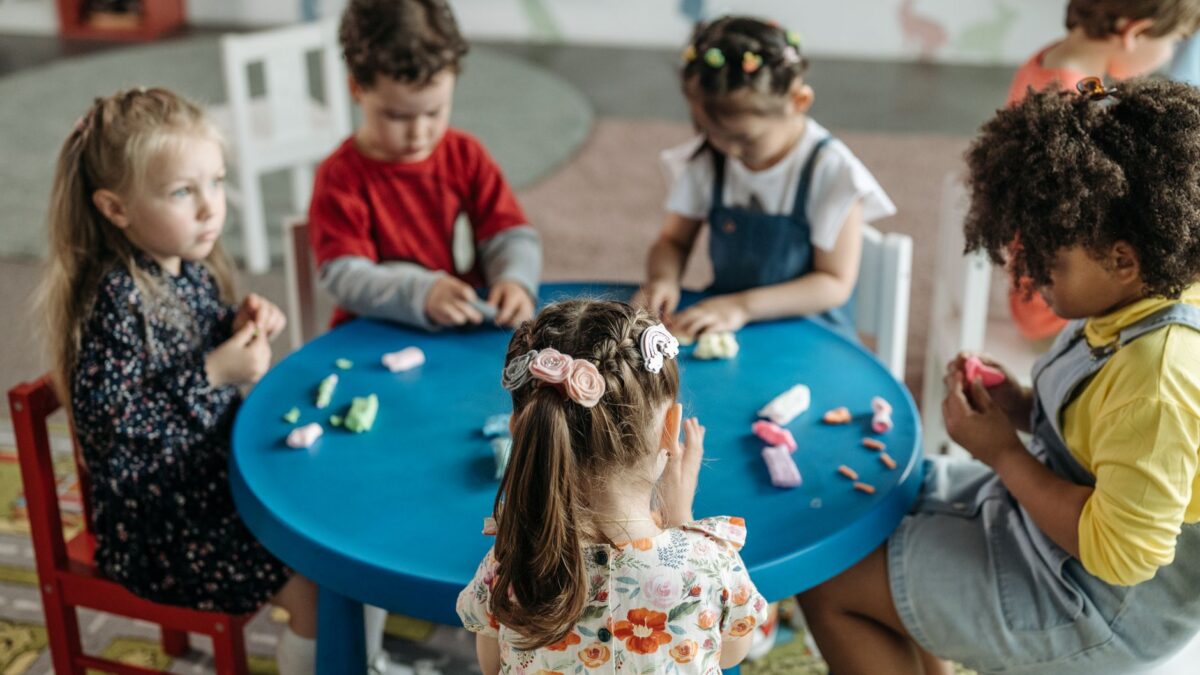
Preschoolers play best outdoors with simple things: water, chalk, balls, dirt and room to run. Pick one idea, set out two or three supplies, and let your child lead. The CDC says children ages 3 to 5 should be active throughout the day, so short, frequent outdoor sessions are a good fit. Stay close, because the main safety rule at this age is steady adult supervision.
Before you go outside
- Stay within arm’s reach of any water. The American Academy of Pediatrics recommends touch supervision, with a capable adult within arm’s length, whenever infants, toddlers or weak swimmers are in or near water. That includes a wading pool, a bucket or a water table. Read the AAP’s water safety guidance for young children, and empty containers when play is over.
- Protect from the sun. Use shade, hats and clothing, and use sunscreen as advised for your child’s age. Ask your pediatrician which sunscreen they suggest.
- Dress for the weather. In cool months use layers, waterproof boots and mittens that are easy to pull on. A change of clothes in a bag saves the day when puddles win.
- Wear a helmet on tricycles, balance bikes and scooters, and keep riding to flat areas away from traffic.
- Check the space. Look for sharp objects, broken glass, gaps in fences and anything small enough to swallow.
Ideas at a glance
| Activity | Supplies | Adult role |
|---|---|---|
| Water painting | Paintbrushes, a bucket of water | Refill water, stay close |
| Sidewalk chalk roads | Chalk, toy cars | Draw the first road |
| Bowling | Empty plastic bottles, a soft ball | Set up pins, count together |
| Basket toss | Laundry basket, soft balls or rolled socks | Move the basket farther away |
| Garden helpers | Small watering can, trowel, gloves | Supervise tools and plants |
| Mud kitchen | Old pots, spoons, a tray of dirt | Set up, wash hands after |
| Obstacle course | Hula hoop, cushions, a jump rope on the ground | Set up, spot climbing |
| Nature hunt | Paper bag or egg carton | Name what they find |
Water and chalk
- Water painting. Give your child a bucket of water and a paintbrush, and let them paint the fence, the sidewalk or the side of the house. It dries and disappears, so there is no mess to clean up.
- Chalk roads and shapes. Draw a winding road for toy cars, a hopscotch grid, a circle to jump into, or big letters to walk along. Trace your child’s shadow and mark it again an hour later.
- Car wash. Wash bikes, trikes or plastic toys with sponges and a small tub. Keep the water shallow, and stay within arm’s reach.
- Sponge toss. Toss wet sponges into a bucket from a few steps away. Move the bucket back as the game gets easier.
Ball games and movement
- Roll and stop. Sit facing each other and roll a ball back and forth. Then try rolling it through a gap between two cones or cups.
- Kick to the target. Place a laundry basket on its side and kick a soft ball into it.
- Bowling. Line up empty bottles, add a little sand or water to steady them if you like, and roll a ball to knock them down. Count how many fell.
- Animal walks. Hop like a bunny, stomp like an elephant or crawl like a bear. Add red light, green light for stopping and starting.
- Obstacle course. Lay out a hoop to jump into, a rope to walk along, a pile of cushions to step over and a box to crawl through. Our backyard games for kids have more ideas for when your child has a friend over.
Garden jobs
Preschoolers love to be useful. Give them real jobs, with child-sized tools:
- Water plants with a small watering can.
- Dig a hole with a trowel and bury a few bulbs in fall or seeds in spring.
- Rake leaves into a pile, then jump in it.
- Sort rocks, sticks and pinecones by size.
- Pull weeds under an adult’s guidance.
Remind your child that garden plants, bulbs and berries are not snacks unless a grown-up says so, and wash hands after digging. If your child eats something you do not recognize, call the Poison Help line at 1-800-222-1222. If you want to turn a walk into a game, try a nature scavenger hunt.
Park ideas
- Pick a park with preschool-sized equipment, and stay within sight and reach, especially on climbing structures.
- Pack water, a snack, a change of clothes and a few toys for sand play.
- Take a walk around the park and look for squirrels, birds, puddles and different leaves.
- Bring a ball, bubbles or a kite for open grass.
- Practice taking turns on the slide and swing, which is useful for school readiness.
A simple 45-minute outdoor session
- Warm up (5 minutes). Animal walks to the play area.
- Main play (20 minutes). One of the ball games, chalk or water painting.
- Job time (10 minutes). Water the plants or rake leaves.
- Calm down (10 minutes). Cloud watching, blowing bubbles or a snack on a blanket.
On days when the weather will not cooperate, move the same ideas indoors using our list of rainy day activities. When your child is a little older, our guide to screen-free play for 5-year-olds takes the ideas further.
Make outdoor play a habit
- Go out at the same time each day, such as after breakfast or before dinner.
- Keep a bin by the door with chalk, bubbles, a ball and a bucket.
- Let your child pick the activity, and join in when they invite you.
- Say yes to mud and puddles in the right clothes.
If you have concerns about your child’s coordination, energy or development, talk to your pediatrician. The CDC’s physical activity guidance for children is a good starting point for questions.
Bottom line
Keep it simple: water, chalk, a ball, a few garden jobs and a park trip are all a preschooler needs. Stay within arm’s reach of water, dress for the weather and let your child lead the play. A little time outside every day matters more than an elaborate plan.
FAQ
How much outdoor time do preschoolers need?
The CDC says children ages 3 to 5 should be active throughout the day. There is no single number of minutes, so aim for several outdoor stretches each day, weather permitting.
What can we do outside in cold weather?
Dress in layers and keep sessions short. Try puddle jumping, leaf piles, a walk, chalk on dry pavement or a game of tag to warm up.
How do I keep my preschooler safe near water play?
Stay within arm’s reach at all times, empty containers after play and never leave a child alone, even for a moment.
Is it okay if my child only wants to play in the dirt?
Yes. Digging, pouring and building are great ways to practice fine motor skills and creativity. Set aside a spot and wash hands afterward.