Snow Day Activities for Kids: A Full-Day Plan, Indoors and Out
Surprise school closures go better with a loose plan. Here is a full day that alternates outdoor play with warm indoor resets, plus a jar of no-prep ideas for the slow hours.
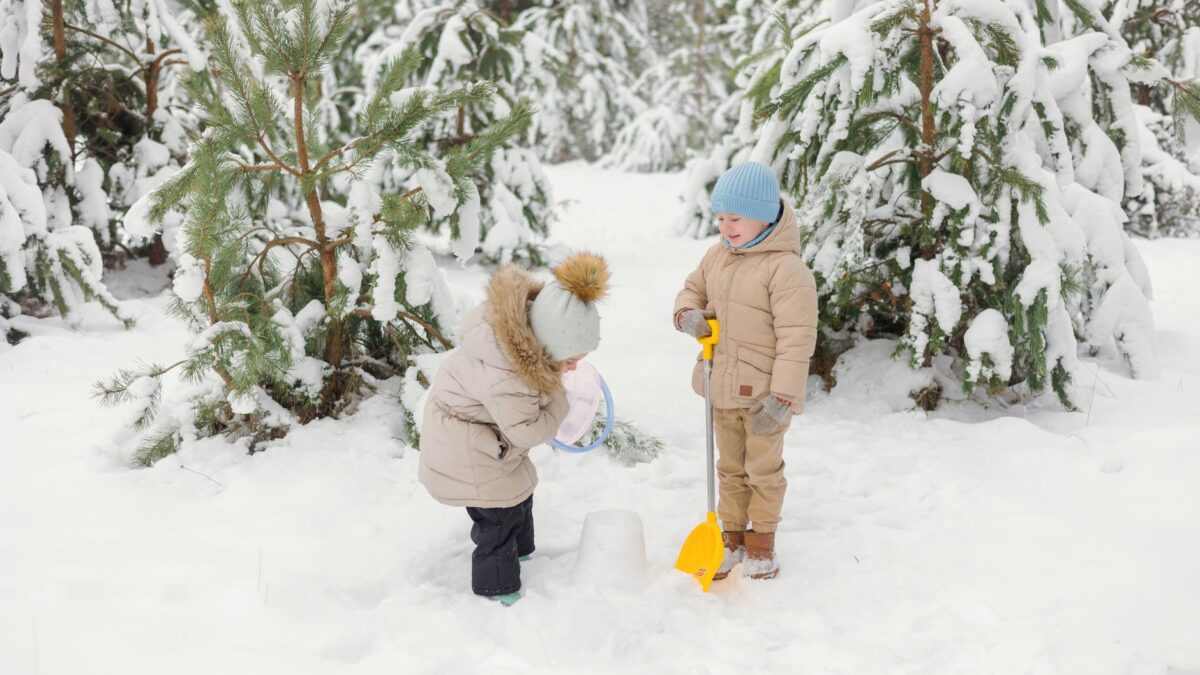
The easiest snow day is built on a simple rhythm: short stretches of outdoor play, each followed by a warm indoor reset. Go out while the snow is fresh, come in to dry off and eat, then switch to a calm project. Keep a jar of no-prep ideas on the counter for the hours when everyone runs out of steam.
Below is a full-day plan, ideas sorted by age for outside and inside, and a short safety check for cold-weather play. It is general information and not medical advice, so talk to your pediatrician about any health question.
A full-day snow day plan
Treat the times as a loose guide. Snow days are unpredictable, and the point is to alternate energy levels, not to run a schedule.
| Time block | What to do | Why it works |
|---|---|---|
| Morning | Hot breakfast, then dress in layers and go out for the first round of play | Fresh snow is at its best early, and kids burn off the “no school” energy |
| Mid-morning | Come inside, change out of damp clothes, hot chocolate or warm milk | Getting dry is the reset that makes a second trip possible |
| Late morning | Building project: fort, craft table or a board game | Quiet, focused play while hands and cheeks warm up |
| Lunch | Something warm and simple, such as soup or grilled cheese | Fuel for the afternoon |
| Early afternoon | Second outdoor session: sledding, snow sculptures or a neighborhood walk | A second burst, often with older kids leading |
| Late afternoon | Dry clothes, boots on a towel, a pull from the activity jar | A calm landing while the house dries out |
| Evening | Movie or read-aloud, with snacks | A slow end to the day |
Outdoor ideas by age
Toddlers (1 to 3)
- Stomp, scoop and dump snow with buckets and plastic cups.
- Pull a stuffed animal in a small sled across a flat yard.
- Make footprints, then look at the pattern together.
Preschool (3 to 5)
- Press cups and bowls into packed snow to make “snow bricks” for a castle.
- Fill spray bottles with water and a few drops of food coloring to paint the snow. Dye can stain clothing, so keep it to old coats.
- Go on a tracking walk and look for animal or boot prints.
School age (6 to 11)
- Hold a snowman contest with a rule that every build needs a name.
- Build a snow fort with low walls and no roof. Never let kids tunnel into deep drifts or plow piles, because snow can collapse.
- Make a snow obstacle course with pretend lava and a tape-measure long jump.
Tweens and teens
- Shovel the walk for a neighbor. It is useful, and teens often take it seriously.
- Create a snow sculpture challenge with a theme and a judge.
- Run a snowy photo scavenger hunt: find icicles, smoke from a chimney, the biggest drift.
A cold-weather safety check
Children lose body heat faster than adults, so plan for breaks and watch for trouble. The American Academy of Pediatrics covers the basics on its cold weather safety page. In short:
- Dress in layers and add a hat, mittens and waterproof boots. Wet clothes make kids cold quickly, so change anything damp.
- Take breaks indoors. There is no magic number of minutes. When kids start to look cold or uncomfortable, it is time to come in.
- Know the warning signs. Pain or redness in the skin can be early frostbite. Shivering, unusual sleepiness, clumsiness or confusion can signal hypothermia. Bring the child inside and call a doctor or emergency services if you are worried.
- Sled with care. Pick a gentle hill with a long, flat runout, away from roads, parking lots, ponds and trees. Pediatric safety guidance generally says to supervise children, keep sledders away from motor vehicles, check sleds for sharp edges and send one rider down at a time. Do not tow a sled behind a vehicle.
- Stay off frozen water unless local officials have said the ice is safe.
Indoor resets that actually reset
- Set up a landing zone. Put a towel or newspaper by the door for boots, a drying rack for mittens and a basket for wet outerwear.
- Change into dry clothes before anything else, even if only socks and a shirt.
- Offer something warm to drink, then a snack with some protein.
- Move to a quiet activity for at least 30 minutes before the next trip outside.
Good quiet activities include building a blanket fort, a card or board game, baking something simple, drawing at the kitchen table or putting on a family playlist for a dance break. If you need to spend the energy inside, set up a living-room obstacle course from cushions and tape.
The no-prep activity jar
Write 20 to 30 ideas on slips of paper and keep them in a jar. A snow day is the perfect time to pull one out. Sort the slips into three piles before you fold them: calm, medium and high energy. That way you can draw from the right pile for the moment. Our guide to making a boredom jar walks through the setup and includes a starter list.
A few slips to start with:
- Build the tallest tower you can from books and cups.
- Draw a map of the house and hide a “treasure.”
- Do a 10-minute tidy-up race, then earn a story.
- Write a snow day diary entry, or dictate one to a grown-up.
- Have a “restaurant” lunch with a hand-drawn menu.
- Put on a puppet show with socks.
- Do a science experiment with snow brought inside in a bowl. Our snow science experiments need nothing special.
If the snow is thin or the weather is too harsh
Some days the cold, ice or wind make outside play a bad idea. On those days, swap the outdoor blocks for indoor ones and keep the same rhythm: active, then calm, then active again. A window-side picnic, a “snow globe” craft or a scavenger hunt through the house can all stand in for the outdoor sessions.
Bottom line
A good snow day alternates short outdoor sessions with warm, dry indoor resets, with a plan in your back pocket for each age. Dress in layers, change out of wet clothes, supervise sledding and bring the activity jar out when energy dips. Do not try to fill every hour: some of the best snow days are mostly play and hot chocolate.
FAQ
How long should kids play in the snow?
There is no set number of minutes that is safe for every child and every temperature. Plan short sessions with indoor breaks, and bring kids in at the first sign that they are cold, wet or unhappy. Wind and very low temperatures call for shorter trips.
What should toddlers wear for snow play?
Dress them in several thin layers rather than one thick one, with a hat, waterproof mittens and waterproof boots. Check hands, feet and cheeks often, because young children cannot always tell you they are cold. Swap out anything damp.
Are snowball fights okay?
Many families allow them with firm house rules: soft snow only, no faces, no ice or rocks inside snowballs and everyone agrees to play. A target on a fence or a tree trunk is a safer alternative for younger children.
What can we do on a snow day with no snow gear?
Use what you have: water-resistant jackets, extra socks and the warmest mittens in the house. Keep outdoor trips short and swap anything damp right away, then switch to indoor activities. Borrowing or buying secondhand gear is a good plan for the rest of the season.