Elf on the Shelf Arrival Ideas: First-Night Scenes and Notes
The first morning sets the tone for the whole season. Here are easy arrival scenes, a welcome note you can adapt and a simple way to explain the rules.
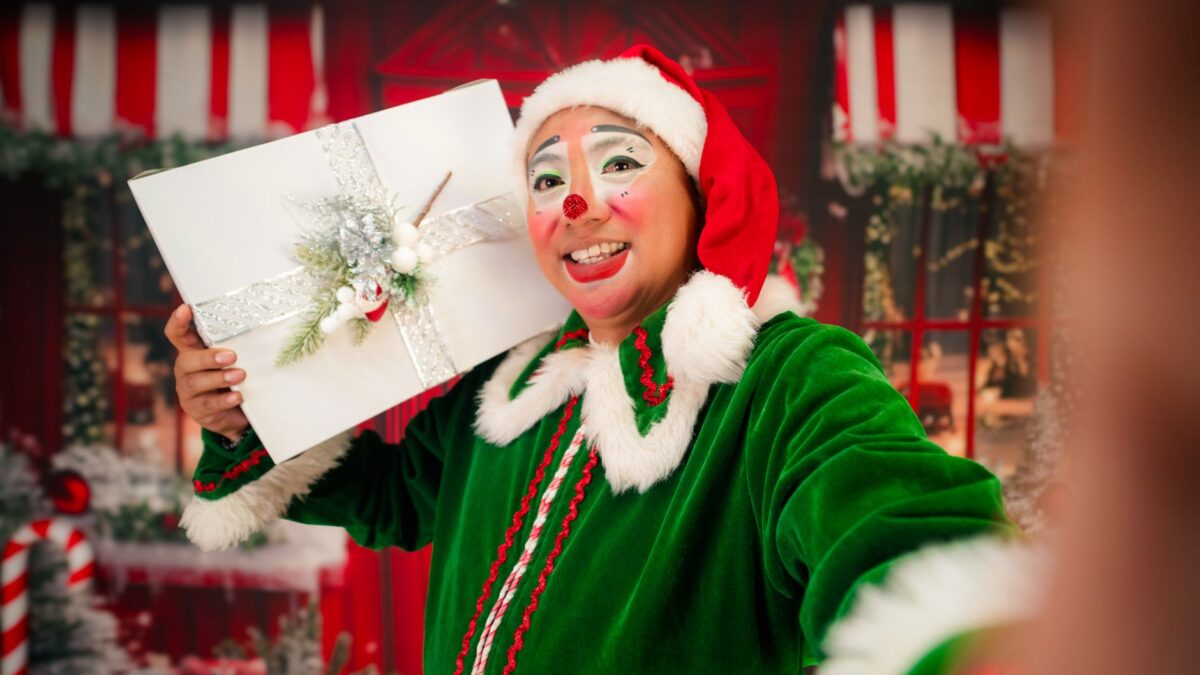
The simplest elf arrival is a wrapped box on the breakfast table with a short welcome note on top. The note introduces the elf by name, explains two or three rules in friendly words and tells the kids the elf will be somewhere new each morning. Set it up after bedtime, and the whole thing takes about ten minutes.
This guide gives you eight arrival scenes, a fill-in note, a way to explain the rules and a short checklist for the night before.
When to bring the elf in
Many families start on December 1 and send the elf back on Christmas Eve, which gives you about 24 nights. Others bring the elf in the weekend after Thanksgiving. There is no required date. Pick a start that fits your schedule, and plan the rest of the month so you know how long you need to keep going. Our 24-night elf calendar can help.
Eight arrival ideas
Low effort, ten minutes or less
- The wrapped box. Put the elf in a gift box or a wrapped shoebox on the kitchen table. Add a bow and the welcome note. This is the classic and takes about five minutes.
- The mail delivery. Tuck the elf and a note into a padded envelope or a small box by the front door, with Opened by the family only written on it. The kids find it when they get the mail or come downstairs.
- On the tree. Sit the elf in the Christmas tree or on a sturdy branch near the top, with the note tucked under a nearby ornament. Keep it out of reach so no one has to climb.
- The breakfast surprise. Seat the elf beside a cereal bowl and a mug with the note propped against the milk.
A bit more effort, fifteen to twenty minutes
- Paper footprints. Cut simple footprints from colored paper and tape them from the front door to the elf’s spot. Tape lightly so the paper lifts off easily.
- The sleigh landing. Make a mini sleigh from a shoebox, add paper runners and place the elf inside, with a few paper snowflakes around it.
- The book nook. Seat the elf in the reading corner with a stack of holiday picture books and a note that says Christmas stories start tonight.
- The family-room campout. Build a tiny tent of napkins or a bandanna over two books, put the elf inside and add a flashlight. Leave the light off.
Whichever scene you choose, keep it away from heat and flames, and avoid small loose props within reach of children under 3. The AAP’s choking prevention page is a useful checklist.
A welcome note you can adapt
Keep the note short enough that a young child can follow it when you read it aloud. Replace the brackets with your own details.
Dear [child’s name or family name],
My name is [elf name], and I have flown in from the North Pole to spend the holidays with you! Every night I fly back to see Santa. Every morning I will be in a new spot, so keep your eyes open.
Please do not touch me, because it can make my magic fade. I love hearing songs and stories, and I would love to see kind things around the house.
Love, [elf name]
For toddlers, shorten it to two lines: Hello, I’m [elf name]. Look for me every morning! For older kids, add a small challenge, such as a different act of kindness each day. Our elf name ideas will help you fill in the blank.
How to explain the rules
Keep the rules few and friendly. Three is plenty.
- We look but do not touch. This is the most common rule, usually with the reason that touching can make the elf’s magic fade. If a child does touch the elf, many families have them write a short apology note instead of punishing them.
- The elf is a visitor, not a spy. We suggest framing the elf as a cheerful guest who likes to see kindness and fun, and not as a way to threaten kids about behavior. That keeps the tradition lighthearted.
- We say hello, and the elf listens. Kids can whisper wishes or sing to the elf. It does not need to answer.
If you own a store-bought elf, read the book that came with it. It may spell out its own rules, and the story gives you ready-made words to read aloud.
Night-before checklist
- Choose the arrival scene and gather props the day before.
- Write or print the welcome note and fold it in the box.
- Decide the elf’s name, or leave a note asking the kids to choose it.
- Pick tomorrow night’s spot too, so you do not scramble on night two.
- Set a phone reminder for the next 24 nights.
- Check that nothing hot, sharp or breakable sits near the elf.
If you want low-effort ideas for the nights that follow, see our list of easy elf ideas.
Bottom line
Bring the elf in with a simple wrapped box or a mail delivery, add a short welcome note and share two or three friendly rules. Keep it playful, keep the props safe and plan the next few nights so the tradition stays fun for you as well as the kids.
FAQ
Should the elf arrive at night or in the daytime?
Most families set it up overnight so the kids find it in the morning. You can also unveil the elf at a family dinner and let the children open the box together.
What if my child wakes up before the elf is set up?
Stay calm and say the elf must be on the way. Then finish quickly. Keeping props in one box near your bedroom helps.
My child seems nervous about the elf. What should I do?
Keep the elf cheerful and reassure your child that it is a friendly visitor. You can also retire the elf if it causes worry. If anxiety is lasting or affecting sleep, talk with your child’s pediatrician and see HealthyChildren.org from the American Academy of Pediatrics.
Do we need to buy the official elf?
No. A small doll or soft toy works just as well. Choose one without detachable small parts if toddlers are in the house, and follow the age label on the package.