Homemade Gifts for Grandparents From Kids: Simple Ideas by Age
The best homemade gifts for grandparents from kids are simple, personal and age-appropriate. Find ideas for toddlers to teens, plus tips for mailing them.
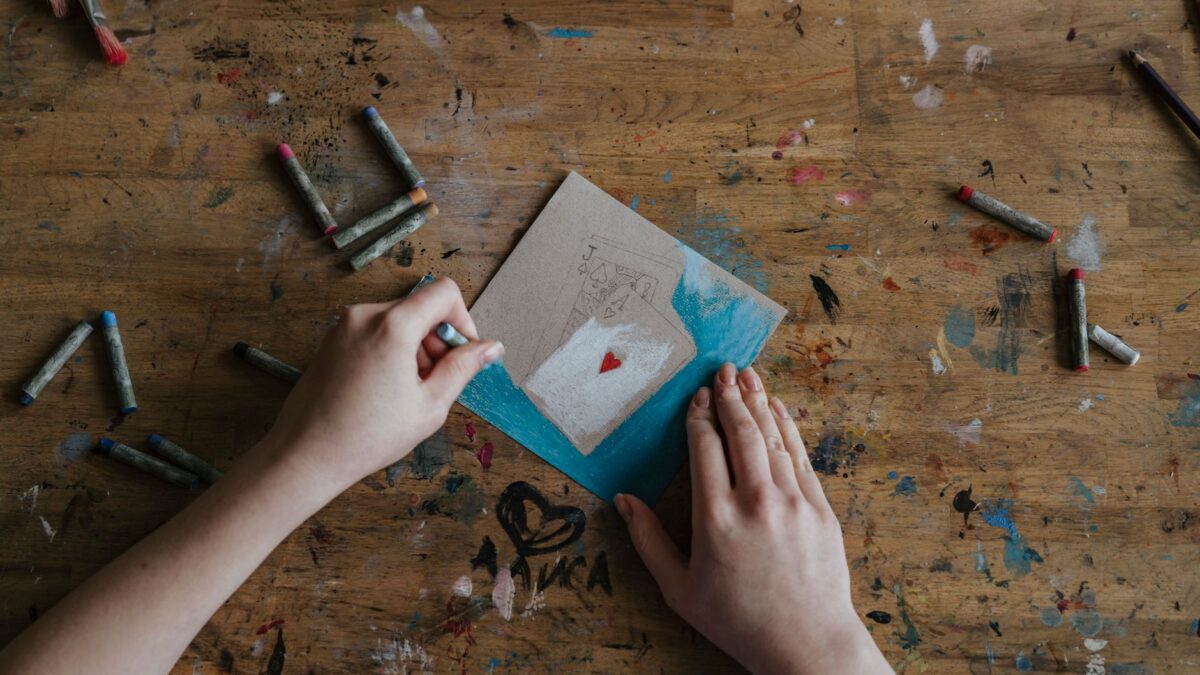
The best homemade gifts for grandparents are ones that carry a child’s own handwriting, drawing or voice, and that a child can mostly make independently. Toddlers can make handprint art, preschoolers can decorate a frame or a card, school-age children can write a story or bake a mix in a jar, and teens can put together a photo book or a recorded interview. The sections below give ideas by age, plus a few tips on supplies, safety and shipping.
What makes a gift meaningful to a grandparent
Most grandparents care less about polish than about the person behind the gift. A few simple principles help any project turn out well:
- Make it personal. Names, dates, handprints, favorite jokes and small drawings matter more than neat results.
- Let the child do the work. An adult can set up and finish, but the child should make the main creative choices.
- Choose something that can be kept or used. A framed picture, a calendar or a recipe card stays useful for years.
- Add a date and the child’s age. Grandparents often treasure these details later.
Ages 2-4: handprints and scribbles
Toddlers and young preschoolers need very short, simple projects with an adult close by.
- Handprint art. Use washable, non-toxic paint on paper, then label it with the child’s name and age. Clean hands right away.
- Scribble cards. Fold paper in half, let the child draw freely, and write the message for them.
- Sticker collage frames. Glue a cardboard frame around a favorite photo and let the child add stickers.
- Salt dough ornaments. Mix 2 cups (250 g) flour, 1 cup (290 g) salt and about 1 cup (240 ml) water, press with a small hand or cookie cutter, and bake low and slow until hard. Keep dough away from children who might eat it and from pets, since the salt content is high.
Avoid small beads, glitter and loose items for children who still put things in their mouths.
Ages 5-7: drawings, cards and simple crafts
Children in this range can follow a few steps and write short messages.
- “All about my grandparent” book. Fold a few pages together, and have the child complete sentences such as “My grandma’s favorite food is…” and “I love it when we…”.
- Painted rocks or paperweights. Use smooth, clean rocks, acrylic paint and a coat of clear sealer applied by an adult in a ventilated place.
- Decorated mug or plate. Use pens made for ceramics, and follow the label instructions for curing. Check that the item is labeled safe for the intended use before putting food on it.
- Coupon book. Offers such as “one hug”, “one walk together” or “one chore of your choice” cost nothing and are easy for the child to design.
Ages 8-11: gifts with a bit more skill
Children this age can follow written steps, measure and take on projects that take more than one sitting.
- Cookie or cocoa mix in a jar. Layer dry ingredients in a clean jar, then attach a handwritten recipe card with the added wet ingredients and baking steps. Check with the grandparent about any food allergies and list the ingredients.
- Handwritten family recipe book. Collect a few recipes from relatives, have the child copy them neatly, and add drawings.
- Beaded or braided bookmarks and keychains. These are small, easy to mail and easy to use.
- Short comic or story. A story starring the grandparent, bound with stapled pages or a cover, tends to be a favorite.
If your family also needs ideas to budget around the season, see our guide to budget Christmas gifts for kids by age and price.
Ages 12 and up: photo, audio and keepsake projects
Older kids can make polished gifts with more technology or longer commitments.
- Photo book or digital frame slideshow. Collect photos from the past year and add short captions in the child’s voice.
- Recorded interview. The teen asks the grandparent about their childhood, work or favorite memories, records the answers on a phone with permission, and saves a copy for the family.
- Family tree poster. Draw or print a tree with names and dates, and ask relatives to fill in gaps.
- Hand-made woodwork, knitting or sewing. Pick a simple pattern, and give plenty of time before the deadline.
Teens may enjoy learning to handle a small budget for supplies, and our article on how to teach kids about money age by age has ideas for letting them choose and plan their own spending.
Shipping and giving tips
- Start early. Allow extra time for drying, sealing and mailing, especially around holidays.
- Protect fragile items. Wrap painted items in tissue and cushion them in a box, and keep wet paint away from other materials until fully dry.
- Add a note. A short message in the child’s own handwriting makes even a simple gift feel special.
- Take a photo before you send it. This gives the child a keepsake and gives you a backup if the package is delayed.
- Consider a video call. Let the child open and explain the gift on screen if the grandparent lives far away.
Common mistakes to avoid
- Taking over the project so it no longer looks like the child’s work.
- Choosing materials that are not age-appropriate, such as small parts or strong glues, for young children.
- Starting a complicated craft the day before it is due.
- Forgetting to label and date the gift.
If a project gets stressful, make it smaller. Even a single drawing with a short message works. For quiet afternoons while the crafting happens, our list of screen-free activities by age may help fill the time between steps.
Quick answers
What can a very young child safely make?
Handprint art and scribble cards with washable, non-toxic materials are the simplest. Stay with the child, and skip small parts. Talk to your pediatrician if you have questions about materials around a particular child.
Are homemade food gifts a good idea?
They can be, if the ingredients are listed and any allergies are checked first. Dry mixes in a jar are easier to ship than perishable baked goods.
How much should we spend?
Most of these gifts cost very little. Paper, markers, a frame or a jar are often all you need.
What if the grandparents live far away?
Choose something light and flat, such as a card, a bookmark or a photo book, and send it early. A recorded video message can arrive on the day itself.