Read-Aloud Books by Age, Plus How to Build the Habit
The AAP encourages reading together from birth. Here is how to build the routine, with well-known titles for every age from babies to teens.
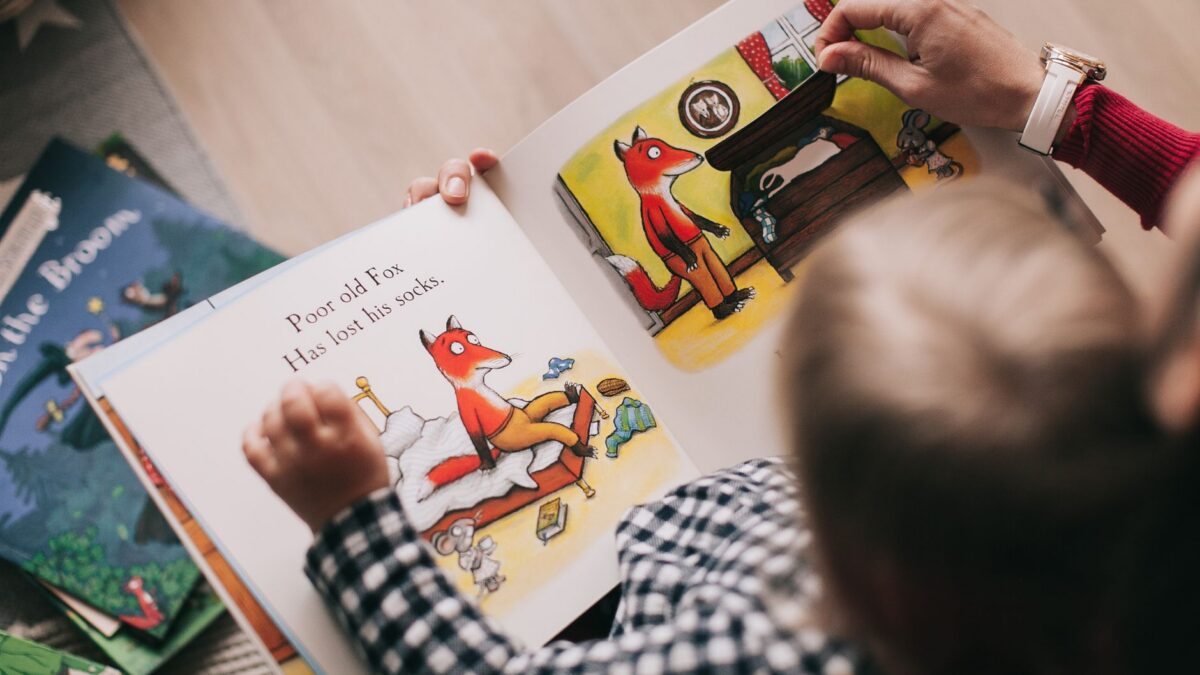
The best read-aloud habit is a short, regular time with books children enjoy, starting as early as birth. The American Academy of Pediatrics encourages shared reading from birth through at least kindergarten. Choose books by what your child can follow when listening, not only by what they can read alone. The table below lists well-known titles by age, followed by steps for building the habit.
Why start early and keep going
The AAP says reading together builds loving, responsive relationships and supports language and early literacy skills, and it encourages families to make books part of a routine such as bedtime. Its guidance, summarized on HealthyChildren.org, also suggests choosing print books with bright pictures and expressive language for young children and talking about the pictures and words as you go. For questions about your child’s development, ask your pediatrician.
Reading aloud does not need to stop when children can read themselves. Listening level is often higher than reading level, so a chapter book read aloud can introduce vocabulary and ideas a child is not ready to read alone.
Read-aloud books by age
Ages are rough guides. Preview any book, since some famous titles include scary scenes, sad events or mature themes. A librarian can help match titles to your child.
| Age | What works | Well-known titles |
|---|---|---|
| 0 to 2 | Board books with bold pictures, rhyme, repetition and animals. Short sessions, lots of pointing. | Goodnight Moon by Margaret Wise Brown; Brown Bear, Brown Bear, What Do You See? by Bill Martin Jr. and Eric Carle; The Very Hungry Caterpillar by Eric Carle |
| 3 to 5 | Picture books with a simple story, humor and rhythm. Children begin to predict what comes next. | Where the Wild Things Are by Maurice Sendak; Corduroy by Don Freeman; Click, Clack, Moo: Cows That Type by Doreen Cronin; The Snowy Day by Ezra Jack Keats; Green Eggs and Ham by Dr. Seuss |
| 6 to 8 | Early chapter books and longer picture books. A chapter a night builds patience. | Frog and Toad Are Friends by Arnold Lobel; Charlotte’s Web by E. B. White; Winnie-the-Pooh by A. A. Milne; My Father’s Dragon by Ruth Stiles Gannett; Dinosaurs Before Dark by Mary Pope Osborne |
| 9 to 12 | Longer novels with adventure, humor or big questions. Pause to discuss what might happen. | Holes by Louis Sachar; The Wild Robot by Peter Brown; Because of Winn-Dixie by Kate DiCamillo; The Lion, the Witch and the Wardrobe by C. S. Lewis; Wonder by R. J. Palacio; Hatchet by Gary Paulsen |
| 13 and up | Short chapters, gripping plots and nonfiction. Let teens choose, and consider reading in turns. | The Hobbit by J. R. R. Tolkien; The Giver by Lois Lowry; The Outsiders by S. E. Hinton |
Choosing a book
- Let the child pick. A book they chose themselves may hold their attention longer.
- Match the mood. Quiet, rhythmic books suit bedtime, and funny ones suit a snack-time read.
- Mix formats. Picture books, poetry, nonfiction, graphic novels and chapter books all count.
- Include different voices. Books about different families, places and experiences let children see themselves and others.
- Re-read favorites. Repetition builds comfort and language.
- Use the library. It is free in most places, and librarians can recommend books by age.
How to build a family read-aloud habit
- Pick a time that fits. Bedtime is the classic choice, but breakfast, after school or the car ride home can work.
- Start small. Ten to fifteen minutes a day is enough for most families. Short sessions that happen are better than long ones that do not.
- Set up a cozy spot. A particular couch, a blanket or a lamp makes it a ritual.
- Turn off other screens. The AAP’s guidance suggests limiting screens in early childhood. If you use an e-book or audiobook, talk back and forth about it.
- Make it interactive. Ask what they notice in the pictures or what might happen next. Do not turn it into a quiz.
- Use voices and pauses. A few funny voices keep attention, and a pause before a turn of the page builds suspense.
- Keep it going. If you miss a night, begin again the next day without guilt.
Reading with more than one age
When siblings are far apart in age, try these approaches:
- Read a picture book to everyone first, then a chapter book to the older child after the younger one is in bed.
- Alternate nights, with each child choosing.
- Pick series that work for a range of ages, such as short chapters with illustrations.
- Let older children read a page or a chapter to younger ones.
If your child wiggles or loses interest
- Allow quiet hands-on activity such as drawing, a simple puzzle or building blocks while you read.
- Choose shorter or more active books, such as lift-the-flap or rhyming books.
- Try a different time of day. Many children listen better before they are overtired.
- Follow their interests, such as trucks, animals, space or jokes, rather than the books you think they should like.
- Be patient. It can take time for a habit to form.
For a reading plan that stretches through the year, see our guide to a summer reading challenge for kids. Younger children often enjoy quiet book time during cold-weather days, so see our indoor winter activities for toddlers. During school breaks, reading can fit into winter break learning activities. To find books without spending, see our ideas for free things to do with kids, including libraries.
Bottom line
Start early, keep sessions short and regular, and choose books for what children can follow when listening. Use the table as a starting point, preview content and let children choose. A comfortable routine matters more than a perfect book list.
FAQ
How long should we read aloud each day?
Ten to fifteen minutes is a realistic start. Babies may only manage a few minutes, while school-age children often enjoy a chapter or two. Follow your child’s attention.
Is it too late to start reading aloud with a school-age child?
No. Many children enjoy read-aloud time well past the early reading years, and it can be a calm way to connect after a busy day.
Do audiobooks count?
They can be a useful addition, especially for car rides. The AAP suggests talking with your child about what you hear, and print books remain a good choice for young children.
What if my child wants the same book every night?
That is normal. Repetition helps children learn language and feel secure. Add a new book next to the favorite, or ask your child to tell you what happens next.