Winter Break Learning Activities: Light Ways to Keep Reading and Math Going
Break is for rest, and learning does not have to stop. These cooking, game, letter and library ideas keep reading, writing and math going in about 20 minutes a day.
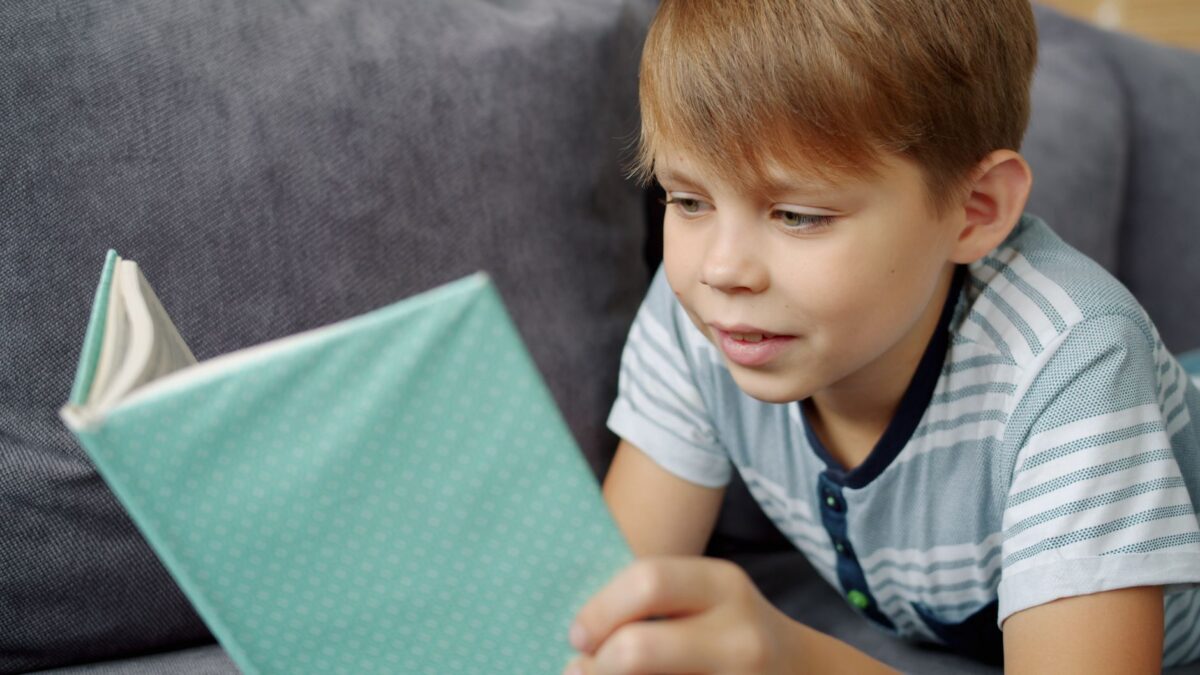
You can keep reading, writing and math going over winter break without a single worksheet. The trick is to fold learning into things your family already does: cooking, board games, shopping lists, letters and library visits. Aim for about 20 minutes a day of light, enjoyable practice, and leave the rest of break for rest and play.
The ideas below are sorted by subject and grade band. Pick a couple of favorites and skip the rest. If your child’s teacher sent home a break packet or reading log, treat that as the first priority.
Start with a tiny daily routine
- Choose a regular time. After breakfast or just before bed works for many families.
- Keep it short. Fifteen to twenty minutes is enough, and the point is to keep skills warm rather than to teach new ones.
- Pick one subject a day. Reading on Monday, writing on Tuesday, math on Wednesday and so on.
- Let your child choose. Choice makes a big difference in effort.
- Stop while it is still fun. You can always do more tomorrow.
Reading
Reading together is one of the simplest habits to keep up. The American Academy of Pediatrics recommends that parents read aloud with their children from birth, and its 2024 literacy policy summary on HealthyChildren.org describes shared reading as a way to build language, connection and school readiness. You can read a short summary on the HealthyChildren.org shared reading page.
- Library trip. Visit once or twice during break. Everyone picks a book for themselves, a book for someone else and one they would not normally choose. Ask about winter reading programs.
- Family read-aloud. Read a chapter book a little each night. Our guide to read-aloud books by age has ideas for different stages.
- Reading nook. Make a blanket-and-pillow corner with a flashlight.
- Audiobook walks. Listen to a story on a walk or a car trip, then retell it.
- Cooking and craft instructions. Have a child read a recipe or a craft guide aloud while you work.
- Book swap. Trade books with cousins or friends.
Writing
- Letters and cards. Write to a grandparent, a friend or a teacher. For help with thank-yous, see our thank-you notes with kids guide.
- Break journal. One sentence a day for younger kids, a paragraph for older ones. They can add a drawing.
- Family newsletter. Write a one-page “news from our house” with headlines, a weather report and a recipe.
- Menu or invitation. Design a menu for a family dinner or an invitation for a game night.
- Story starters. Write the first sentence of a story and take turns adding the next one.
- Wish list with reasons. Ask an older child to write why they want each item, which turns a gift list into persuasive writing.
Math
- Cooking. Measuring, doubling and halving recipes uses fractions in a real way. Let kids read the measuring cups.
- Games with dice and cards. Even simple games practice addition, subtraction and probability. Our guide to math games at home lists easy options.
- Shopping and budgets. Give a child a small amount and a list, and ask them to find the best price.
- Time and schedules. Let a child plan the day, including drive times and the length of each activity.
- Measuring things. Measure doorways, shoes or snow depth and compare.
- Puzzles and logic. Jigsaws, sudoku for older kids and pattern games for younger ones build reasoning.
Science and social studies
- Weather log. Record the temperature and sky each day, then make a simple graph.
- Kitchen science. Try melting, freezing and mixing experiments. If it snows, our snow science experiments are a good place to start.
- Family history interviews. Ask a relative about their childhood and write down the answers.
- Maps and trips. Trace your route on a map and calculate how many miles are left.
- Museums and nature centers. Ask what free or low-cost programs are on offer during break.
Ideas by grade band
| Subject | K to 2 | 3 to 5 | 6 to 8 |
|---|---|---|---|
| Reading | Picture books and shared reading, rhyming games | Chapter book read-aloud, series at the library | Reader’s choice, book club with a friend |
| Writing | Captions, cards and one-sentence journals | Letters, short stories and recipe cards | Journals, newsletters and persuasive pieces |
| Math | Counting, sorting, simple dice games | Cooking fractions, money and time | Budgets, scale drawings and logic puzzles |
| Science | Weather watching, animal tracks | Kitchen experiments, simple measurements | Graphs, predictions and a project of their choice |
| Social studies | Family tree drawings, maps of the house | Route planning, interviews with relatives | Timelines, current-events conversations |
A sample week
| Day | 20-minute activity |
|---|---|
| Monday | Library trip and picking books |
| Tuesday | Write a card to a relative |
| Wednesday | Cook something and double the recipe |
| Thursday | Family game night with cards or dice |
| Friday | Read-aloud and a break journal entry |
| Weekend | Free time, with optional family outing |
What to skip
- Do not turn every activity into a quiz. Questions are fine, but keep them light.
- Do not bribe or punish. A relaxed approach lasts longer than a reward chart.
- Do not worry about “summer slide” or “winter slide” for a two-week break. Kids who rest well often return ready to learn. If you have concerns about your child’s progress, talk to the teacher.
Bottom line
Winter break learning can be light: read together, write cards, cook with fractions, play dice games and visit the library. Aim for about 20 minutes a day, let your child choose and stop while it is fun. Rest is part of learning too.
FAQ
How much learning should kids do over winter break?
For most families, about 15 to 20 minutes a day of light activity is plenty, and many days can be zero. Follow any teacher guidance first, and keep rest and play at the center of break.
What if a child resists reading?
Offer choice: comics, audiobooks, books about a favorite topic or reading to a pet or a younger sibling. You can also read aloud while they listen. Talk to the teacher if reading is a struggle, and to your pediatrician if you have concerns about vision or hearing.
Are educational apps necessary?
No. They can be handy, but cooking, games and books cover the same skills. If you use apps, choose ones without ads or in-app purchases, and keep screen time within your family plan.
How can you keep older kids interested?
Give them ownership. Teens and tweens often enjoy planning a meal, writing a family newsletter, running a game night or managing a small budget for an outing.