Easter Egg Hunt Ideas by Age: Toddlers to Teens
The best egg hunts match the hiding spots to the child. Here are setups for every age, fair rules for mixed groups and no-candy fillers.
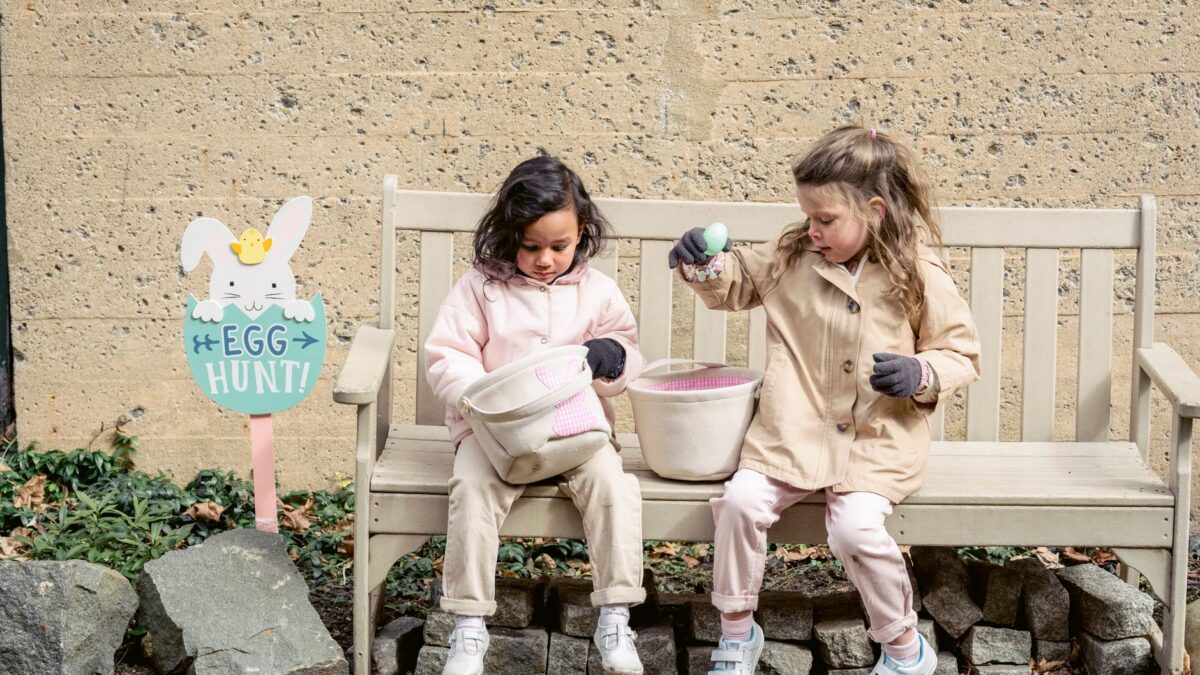
The best Easter egg hunt matches the hiding spots to the age: big eggs in plain sight for toddlers, partly hidden eggs for preschoolers, clue trails for school-age kids and puzzle hunts for teens. If ages are mixed, give each child a color or a zone so everyone gets a fair share. Easter Sunday falls on March 28 in 2027, so you have plenty of time to plan. Below are setups by age, fillers that are not candy and a plan for bad weather.
Set up any hunt in six steps
- Count the eggs. A dozen per child is a common starting point, with fewer for toddlers and more for older kids.
- Choose the space. A yard, a park or a few rooms indoors can all work.
- Fill the eggs. Use items that suit the youngest child in the group.
- Set the rules. Agree on zones, colors, limits and a start time.
- Hide a list. Write down or photograph where each egg goes so nothing is lost.
- Hunt, then share. Count the eggs, compare finds and swap fillers.
Hunt ideas by age
Toddlers (1 to 3)
- Use large eggs and place them in plain sight, on the ground, in a small area.
- Stay close, and cheer for every find.
- Keep a few eggs for a toddler who gets none.
- Use fillers that are safe for the age group (see the table below).
Preschool (3 to 5)
- Partly hide eggs behind a chair leg, under a bush or next to a flowerpot.
- Try a color hunt: “Find all the yellow eggs.”
- Make a counting hunt: “Find five eggs.”
- Give a small basket and a buddy.
School age (6 to 11)
- Hide eggs in trickier spots, such as in a tree fork, behind a rock or in a mailbox.
- Run a clue trail, with each egg holding a riddle for the next.
- Add a golden egg that earns the finder a small perk, such as choosing the first game.
- Try an egg-and-spoon relay or teams.
Tweens and teens (12+)
- Make a puzzle hunt, where each egg holds a piece of a code or a map.
- Hide eggs after dark and hunt with flashlights.
- Give them the job of designing the hunt for younger children.
- Try a photo hunt, with points for the best picture of each find.
Fair rules for mixed ages
- Zones: Give toddlers an easy zone, and older kids the harder ones.
- Colors: Assign each child a color, and let them collect only that one, plus a shared bonus color.
- Egg limits: Stop at 10 or 12 per child, then help others.
- Staggered starts: Let the youngest start first, then call the older kids.
- Helper role: Give an older child a job, such as spotting for a toddler.
- Special eggs: Hide one golden egg per child so everyone has a chance.
No-candy fillers by age
| Age | Filler ideas |
|---|---|
| Under 4 (toddlers and young preschoolers) | Large stickers, a note with a kiss or hug coupon, a sealed mini bubble bottle (with an adult nearby) |
| 4 to 5 | Stickers, temporary tattoos, bubbles, a coupon for an extra story |
| 6 to 11 | Puzzle pieces, jokes, pencils and erasers, bouncy balls, trading cards, a coupon to choose dinner |
| 12+ | Cash, lip balm, hair clips, movie tickets, a coupon to skip one chore |
Safety notes
- Choking hazards: The American Academy of Pediatrics (AAP) lists hard or sticky candy, popcorn, whole nuts, marshmallows, coins, marbles and toys with small parts as hazards for children under 4. See the AAP’s choking prevention guidance, and check fillers with your pediatrician if you have questions. A common home rule of thumb is that anything that fits through a toilet paper tube is too small.
- Food allergies: Ask guests about allergies. Non-food fillers make this easy, and if you use candy, check labels.
- Real eggs: USDA egg safety guidance is to keep hard-boiled eggs chilled until the hunt, hide them in clean places away from pets and dirt, and keep the total hiding and hunting time under two hours. USDA holiday guidance also cautions against eating eggs that were used in a hunt. See the USDA’s page on shell egg safety. Plastic or other non-food eggs are the simpler choice.
- Yard hazards: Walk the area first for sharp objects, ponds or pools, and pet waste.
Indoor backup plan
- Choose two or three rooms and keep other doors closed.
- Hide eggs at kid height for little ones, and use shelves or drawers for older kids.
- Do a “quiet hunt” where kids must tiptoe.
- Move the hunt to a garage or covered porch.
- Postpone and hold the hunt in the afternoon if the rain clears.
Looking for more seasonal ideas? See our spring bucket list, our backyard games for after the hunt, and rainy day activities if the weather changes.
Bottom line
Match the hunt to the age, plan zones or colors so everyone has a fair shot and fill the eggs with items that are safe for the youngest guest. Keep an indoor plan ready, and write down where you hid every egg.
FAQ
How many eggs per child?
A dozen is a common starting point. Use fewer for toddlers, who tire quickly, and more for older children if you add a puzzle or clue trail.
When should the eggs be hidden?
Shortly before the hunt, ideally with pets out of the area. This also keeps real eggs chilled until the last moment.
Can babies join in?
Yes, with a parent. Hand the baby a soft toy or a single safe egg and keep small items out of reach.
What if a child finds nothing?
Use a “helper” rule or hide a few extra eggs in a place only that child can find. Counting the eggs at the end helps you spot who needs more.