Holiday Overstimulation in Kids: Signs and How to Reset the Day
Holiday overstimulation shows up as meltdowns, clinginess or wild energy. See the early signs and how quiet breaks, food and sleep reset a child's day.

Holiday overstimulation happens when a child takes in more noise, people, food, light and change than they can process, and it usually shows up as meltdowns, clinginess, hyperactivity or a sudden refusal to cooperate. The fastest reset is to move the child somewhere quiet and dim, cover basic needs (food, water, a bathroom break, rest), and cut the rest of the day’s plans down to one or two calm activities. Most kids recover within an hour once the input drops, and a regular bedtime that night does more than any other single step.
What does holiday overstimulation look like in kids?
Overstimulation looks different by age, and many signs are easy to mistake for plain misbehavior. Watch for a change from how your child normally acts at that time of day.
- Babies: turning the head away, arching the back, fussing that feeding doesn’t settle, staring into space, or crying harder when held by new people.
- Toddlers and preschoolers: tantrums over small things, throwing toys, running in circles, hiding under tables, or clinging to one parent and refusing everyone else.
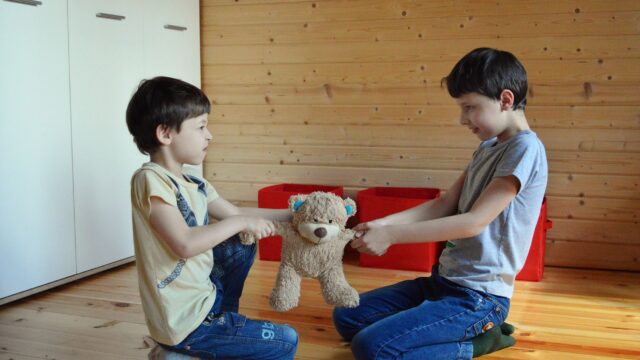
- School-age kids: snapping at siblings, whining, silliness that gets louder and rougher, covering their ears, or saying they are bored while surrounded by activity.
- Tweens and teens: going quiet, retreating to a phone or a bedroom, irritability, or complaining of a headache or stomachache.
Physical signs often come first. Red cheeks, rubbing the eyes, yawning, a glazed look and clumsiness tell you the child is running low before the behavior falls apart.
Why do holidays overload children so quickly?
Holidays stack several stressors into a single day. Gatherings bring crowds, loud talk and music, flashing lights, unfamiliar homes and strong smells from cooking. Routines slip: naps get skipped, meals come late, and bedtime moves. Kids also eat more sugar and less of their usual food, and they get passed between relatives who all want attention. Each item alone is manageable. Together they drain a child’s ability to stay calm.
Children with sensory sensitivities, ADHD or autism may reach their limit sooner and need more recovery time. Travel adds its own load, so long drives and flights deserve extra buffer, and a booking-to-arrival checklist for flying with kids helps you plan breaks into the trip itself.
How do you calm an overstimulated child in the moment?
Lower the input first and talk second. A child in full overload cannot follow reasoning, so long explanations make things worse.
- Move to a quieter space: a bedroom, the car, a porch or a bathroom if nothing else is free.
- Dim the lights and turn off screens and music where you can.
- Get down to the child’s level and use few words in a low, slow voice.
- Offer comfort the child already likes, such as a hug, a weighted blanket, a favorite stuffed animal or simply sitting nearby.
- Check basic needs: offer water and a plain snack, and ask about the bathroom.
- Give the child time. Wait until breathing slows and the body relaxes before going back.
Some kids want physical contact and some want space. If touch makes things worse, stay close without holding them. Slow breathing together (smelling a “flower” and blowing out a “candle”) works for many preschoolers once the worst has passed.
How can you reset the rest of the day?
After a meltdown, aim for a quieter second half of the day. Drop at least one planned activity. Swap a busy outing for something low-key at home: a bath, a short walk outside, coloring, building blocks or an audiobook. Hands-on projects with a clear end help some kids settle, and a tape-resist painted word sign is the kind of slow, quiet craft that fits a reset afternoon.
Feed the child a familiar meal at a normal time, and protect bedtime. A tired child wakes up still overloaded, which turns one hard day into a hard week. If you are staying with family, ask for a quiet room for naps and bedtime ahead of time; visiting relatives with kids goes much smoother when sleep and food are agreed before you arrive.
How do you prevent overstimulation before it starts?
Prevention mostly means planning space into the day.
- Keep naps, meals and bedtime as close to normal as you can.
- Limit big events to one per day, and leave free days between them over a long break.
- Tell kids what will happen: who will be there, how long you will stay, and what they can do if they need a break.
- Pick a quiet spot as soon as you arrive at a gathering, and agree on a signal your child can use when they need it.
- Pack a small kit with headphones or earplugs, a comfort item, a book and a snack.
- Plan your exit time in advance and leave while things are still going well.
- Let kids skip hugs and kisses from relatives and offer a wave or high five instead.
Giving kids a job also helps. A child who is arranging crackers or carrying napkins has something to focus on, and holiday appetizers kids can help make give younger children a calm role in a noisy kitchen.
When should you talk to a pediatrician?
Occasional holiday meltdowns are common and usually fade once routines return. Talk to your pediatrician if meltdowns happen most days for weeks, last much longer than usual, involve harm to the child or others, or if everyday sounds, textures and crowds regularly upset your child outside the holidays. A doctor can look at sleep, development and sensory needs. The Centers for Disease Control and Prevention publishes guidance on child development milestones you can review before the visit.
Quick answers
How long does it take a child to recover from overstimulation?
Most children calm down within minutes to an hour once moved somewhere quiet. Full recovery often needs a good night of sleep, so keep the following morning low-key.
Is overstimulation the same as a tantrum?
A tantrum is often about wanting something, and it can stop when the child gets it. An overstimulation meltdown comes from overload, so the child cannot stop on request and needs less input to settle.
Should I leave a holiday party if my child melts down?
Try a quiet break first. If your child cannot settle after a break or melts down again soon after, leaving early is usually the kindest choice for everyone.
Can sugar cause holiday overstimulation?
Sugar alone is not the main cause. Skipped meals, missed sleep, crowds and noise are bigger factors, so a regular meal and an early night help more than cutting out treats.