Best National Parks for Kids: 8 Family-Friendly Picks Compared
The best parks for kids pair short, easy trails with something that grabs attention. Here are eight, compared by age, season and what to plan for.
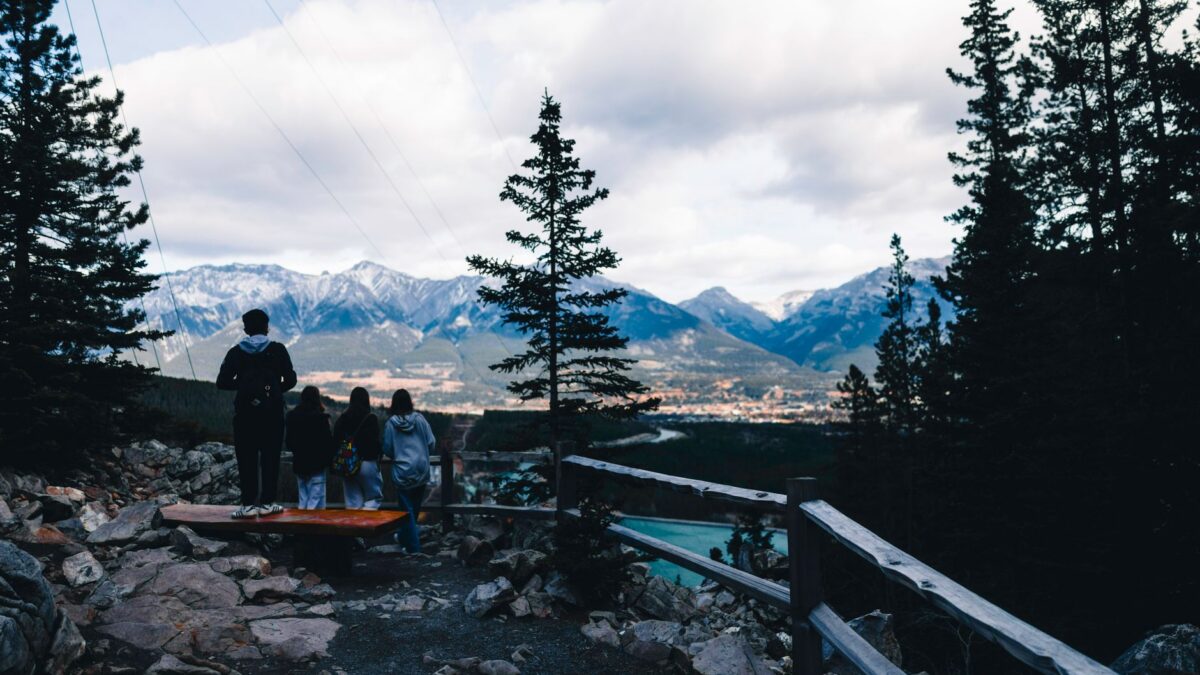
The best national parks for kids pair short, easy trails with a big hook: geysers, sand dunes, alligators, tidepools or a creek to splash in. For a first trip, Great Smoky Mountains, Acadia, Zion, Yellowstone and Everglades are easy places to start, because each has paths that work for small legs, ranger programs and a Junior Ranger booklet. The table below compares eight parks by what suits each age, what to try first, the best season and what to plan for.
How the parks were compared
This list is based on information published by the National Park Service (NPS) and general planning guidance, not on personal visits. We looked for four things: short or accessible paths, a hook that holds a child’s attention, ranger-led activities and a season when the weather and crowds are manageable. Details such as shuttles, reservations and road openings change, so check the park’s own page before you book.
Eight family-friendly parks at a glance
| Park | Good fit for | Easy things to try | Best season | Plan for |
|---|---|---|---|---|
| Great Smoky Mountains (TN/NC) | All ages | Short forest walks, the 11-mile one-way Cades Cove loop with historic buildings, wildlife watching | Spring wildflowers and fall color; summer and October are busy | No entrance fee, but a parking tag is required for parking longer than 15 minutes ($5 a day, $15 a week or $40 a year as of November 2026) |
| Acadia (ME) | Ages 4 and up | Roughly 45 miles of carriage roads closed to cars, the Jordan Pond Path, tidepools at low tide | Late spring to early fall; summer is busiest | In 2026, Cadillac Summit Road needed a timed vehicle reservation (May 20 to October 25). Check dates for your trip |
| Zion (UT) | Ages 4 and up | Riverside Walk (about 2 miles round trip, mostly paved), the Pa’rus Trail | Spring and fall; summer is hot | During shuttle season the Canyon Scenic Drive is closed to private vehicles. The shuttle is free and runs roughly March through November |
| Yellowstone (WY/MT/ID) | Ages 5 and up | Old Faithful area boardwalks, wildlife from pullouts, geyser basins | Late spring to early fall | Most roads close to regular vehicles in winter. Stay on boardwalks and keep your distance from animals |
| Grand Canyon South Rim (AZ) | Ages 5 and up; extra care with toddlers | Rim Trail viewpoints, shuttle buses, ranger talks | Spring and fall | Many rim edges have no fence. Do not plan a rim-to-river day hike with kids |
| Everglades (FL) | All ages | Anhinga Trail (0.8 mile round trip, wheelchair accessible), birds and alligators | Winter, when birds are plentiful | Summer is hot and humid with more bugs |
| Great Sand Dunes (CO) | Ages 3 and up | Sand play and splashing in Medano Creek | Creek flow usually peaks from late May to early June and is mostly dry at the main area by July | Late May and June weekends are very crowded. Mosquitoes appear around mid-June. Bring shoes, since sand gets hot |
| Shenandoah (VA) | All ages | Skyline Drive overlooks, short, level trails | Spring through fall | Fall color weekends can be busy |
Match the park to your child’s age
- Toddlers and preschoolers: Look for boardwalks and paved paths, such as the Everglades’ Anhinga Trail or the Old Faithful area. Plan on short stretches and long breaks.
- Ages 5 to 8: Loop trails under two miles, tidepools and ranger programs work well. This is also the sweet spot for Junior Ranger booklets.
- Ages 9 to 12: Kids this age can handle longer hikes and enjoy being given a job, such as navigating from the trail map.
- Teens: Offer a say in the plan, with sunrise viewpoints, photography or one bigger hike. Keep the schedule loose.
How to plan the trip
- Pick the season first. Spring and fall often balance weather and crowds, but every park is different.
- Check the park’s alerts page. Look for road closures, shuttle schedules, reservation requirements and visitor center hours.
- Book lodging early. In-park lodges and campgrounds can fill months ahead. Our first camping trip guide covers the basics.
- Start the Junior Ranger booklet. Many parks offer one, and our Junior Ranger guide explains how it works.
- Pack for the weather. Bring water, layers, snacks, sun protection and a paper map, since cell service can be patchy.
- Leave slack in each day. Plan one main activity a day and treat everything else as a bonus.
Passes and costs
Entrance fees vary by park. As of November 2026, the NPS lists the America the Beautiful annual pass for U.S. residents at $80, and one pass covers either a single private-vehicle fee or four per-person fees, depending on how the park charges. Families with a fourth grader can get a free pass, as we explain in our fourth grade pass guide. Check the NPS passes page for current prices.
Fee-free days waive entrance fees only, and since 2026 they apply to U.S. citizens and residents. The NPS fee-free page lists Veterans Day, November 11, as the last fee-free day of 2026. Check the page for 2027 dates, which may not be posted yet. Visitors from outside the U.S. should check nonresident fees. For other ideas, see our guide to cheap family vacation ideas.
Safety basics for kids in parks
- Wildlife: Yellowstone asks visitors to stay at least 100 yards from bears and wolves and at least 25 yards from other animals, including bison and elk. See the park’s safety page. The same rule of thumb is a good habit at any park.
- Thermal areas: Walk only on boardwalks, keep children close and do not let them run.
- Edges and water: Hold the hands of young children near cliffs, rivers and the ocean.
- Sun and heat: Plan hikes for cooler hours and bring plenty of water. The American Academy of Pediatrics offers sun safety guidance.
- Health questions: If you have concerns about altitude, heat or a medical condition, ask your pediatrician before you go.
Bottom line
For a first trip, choose a park with short, easy paths and a ranger program, then match the season to your family’s tolerance for heat, crowds and bugs. Great Smoky Mountains, Zion in spring or fall, and Everglades in winter are all forgiving. Whichever you pick, check the park’s page for reservations and closures before you book.
FAQ
What is the easiest national park for a first trip with kids?
Great Smoky Mountains is a common choice because it has no entrance fee and many short walks, though it has a parking tag requirement. Everglades in winter is another easy option, with a short accessible trail.
What age is best for visiting national parks?
Any age can work if you match the trail to the child. Many families find that ages 5 to 8 are when kids start to enjoy ranger programs and Junior Ranger booklets.
Do children pay entrance fees?
Many parks charge per vehicle, so children are covered. Where fees are per person, they typically apply to visitors 16 and older, but check the park’s page for its rules.
Should we visit during school breaks?
Summer and holiday weeks bring the biggest crowds. If your schedule allows, a weekday or a shoulder season can mean shorter lines and easier parking.