Simple Christmas Traditions for Families, Sorted by Cost and Effort
You don't need a long list. Here are Christmas traditions at every budget, with age notes and a simple way to choose the few your family will actually keep.
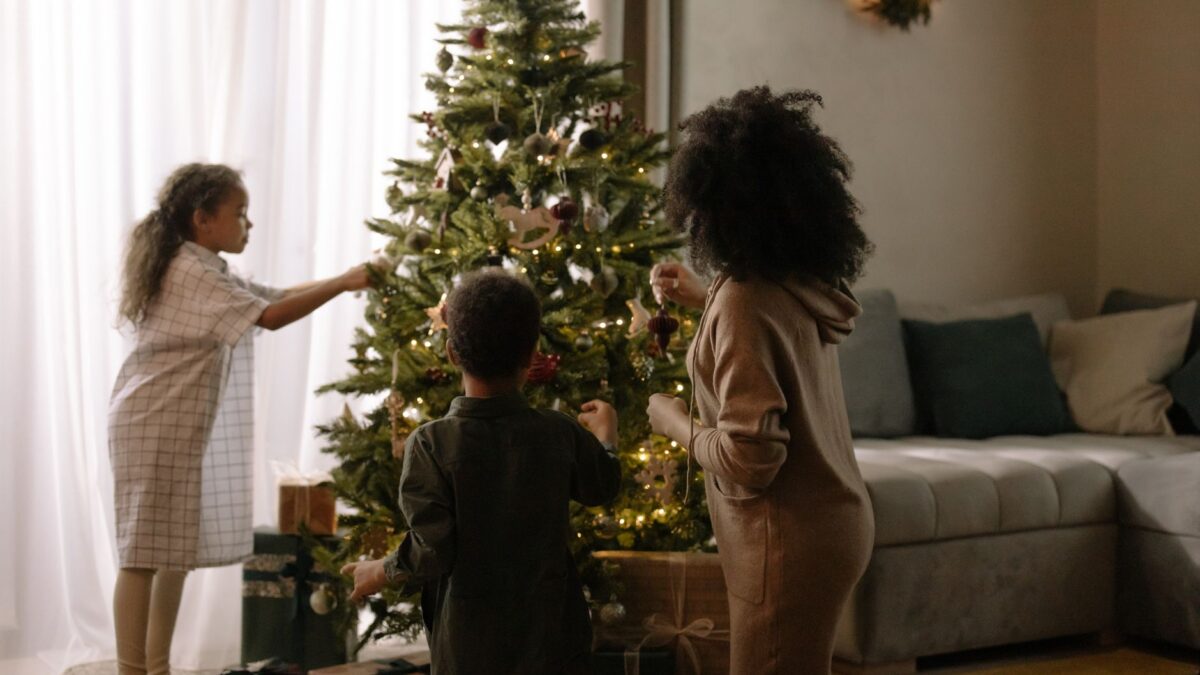
The traditions that last are the small ones a family can repeat every year without dread. Pick one or two that fit your budget and your children’s ages, anchor them to a date on the calendar, and add more only when the first ones feel easy. A lights drive with hot cocoa counts just as much as anything elaborate.
How to pick traditions that stick
A tradition is simply something done the same way, on purpose, more than once. Most December plans fall apart because they ask too much of tired adults, so test every idea against four questions:
- Can we repeat it next year? If it needs a perfect weather forecast or a big purchase, it will probably fade.
- Does it fit the youngest and the oldest child? The best traditions can grow with the kids instead of being outgrown.
- Is it tied to a date or a cue? “The first Saturday of December” survives busy weeks better than “sometime before Christmas.”
- Does someone besides you run it? Give each child a job so it does not all land on one adult.
A quick way to choose
- Ask everyone to name their favorite part of December last year. Write down the answers without judging them.
- Look for the ideas that appear more than once. Those are your candidates.
- Choose one for the countdown to Christmas, one for Christmas Eve and, if energy allows, one for Christmas Day.
- Put the dates on the family calendar now, before the month fills up.
- In early January, ask what everyone would keep, change or drop. Keep notes for next year.
Free and nearly free traditions
These cost little or nothing and work for most ages.
- A lights drive or walk. Bring a thermos of cocoa and let the children vote on the best house. Use car seats and seat belts as usual, and dress for the cold if you walk.
- Decorate the tree with a playlist. Let each child hang a set number of ornaments and choose a song.
- A holiday book each night. Borrow a stack from the library and unwrap one at a time, or read the same favorite every Christmas Eve.
- Cards for faraway relatives. Young children can draw, older ones can write a few lines.
- A closet clear-out for donation. Each child picks a few toys or books to pass on before new gifts arrive.
- One kind act a week. Shovel a neighbor’s walk, tape a thank-you note to a delivery driver’s package, or bring cookies to a teacher.
- A family photo in pajamas. Take it on the same day each year and keep the pictures in one folder.
Low-cost traditions
These usually need a small shopping trip. Prices vary a lot by area and store, so set your own limit first.
- One new ornament per person each year. By the time children grow up, they own a collection that tells their story.
- A cookie-decorating afternoon. Store-bought dough keeps it simple. Bake some for neighbors.
- A hot cocoa bar. Set out toppings in small bowls and let everyone build a mug.
- A Christmas Eve box. Pajamas, a book and a treat are enough. See our guide to Christmas Eve box ideas for budgets by age.
- A gift swap with a spending cap. Everyone draws a name and keeps to the limit, which works well for cousins and grandparents.
- A gingerbread house. A kit or graham crackers and frosting both work. Expect a mess.
Bigger-effort traditions
These take planning or money, so they work best as once-a-season events.
- Cutting down a tree at a tree farm
- Seeing a local holiday performance or a decorated train ride
- Volunteering together at a food pantry or toy drive
- Hosting a cookie exchange or neighborhood cocoa night
- A winter getaway during school break
Traditions at a glance
| Tradition | Rough cost | Effort | Good for |
|---|---|---|---|
| Lights drive or walk | Free | Low | All ages |
| Tree decorating with music | Free | Low | All ages |
| Holiday book each night | Free with a library card | Low | Toddlers to 10 |
| New ornament each year | Low | Low | All ages |
| Cookie decorating | Low | Medium | Ages 3 and up |
| Christmas Eve box | Low to medium | Medium | All ages |
| Gift swap with a cap | Low to medium | Medium | School age and up |
| Tree farm outing | Varies | Medium | All ages |
| Volunteering | Free | Medium | Ages 6 and up, check minimum ages |
Adapting traditions as children grow
Toddlers and preschoolers do best with short, sensory activities: lights, music, cookies, a story. Keep them to 15 or 20 minutes, and expect to finish early. Keep small ornaments and breakable decorations out of reach of children under three.
School-age children love having a job and a checklist. Let them run the countdown, choose the cookie shapes or write the card list.
Teens often stay in if they get ownership. Ask them to host the cocoa bar, pick the movie or plan the lights route. Turning down the “mandatory fun” tone helps more than turning up the effort.
Keeping it safe and simple
- Use battery candles with young children around, and keep any real flame well away from trees and curtains.
- Turn tree and window lights off when you go to bed or leave the house.
- If you have a live tree, keep the stand filled with water and the tree away from heaters.
- Watch food allergies during baking and cookie swaps.
When schedules are tricky
Families who travel, split time between homes or celebrate more than one holiday can still keep traditions by making them portable. A card game, a song, a Christmas Eve book or a pajama photo can happen in any house. If your family celebrates other winter holidays, you can simply add them to the same calendar. For more ideas on choosing, see our guide to family traditions to start, and for a daily countdown, our advent activity calendar. If you want a longer December list, the Christmas bucket list for families sorts ideas by budget.
Bottom line
Choose one or two traditions, make them small, give every child a job and put the dates on the calendar now. If a tradition feels like a chore by year three, retire it and try another. The goal is a few repeatable moments, not a perfect December.
FAQ
How many Christmas traditions should a family have?
There is no right number. Two or three is a manageable starting point: one for the weeks before Christmas, one for Christmas Eve and one for the day itself. Add more only if the first ones feel easy. For February, see Valentine’s Day ideas with kids.
What if my kids lose interest in a tradition?
Ask what they like about it and what they would change. Often a small tweak, like a new job for the oldest child, brings it back. If not, it is fine to let it go.
How do we start traditions with older kids?
Let them help choose and run it. Teens and tweens tend to stay engaged when they have a role and when the activity is short.
Do traditions have to cost money?
No. Lights drives, library books, cards, music and donation clear-outs are all free.