Kids Table Ideas for Thanksgiving That Mostly Run Themselves
A paper tablecloth, a cup of crayons and a few games can keep a kids table happy. Here is a setup checklist, a seating plan by age and a menu kids will actually eat.
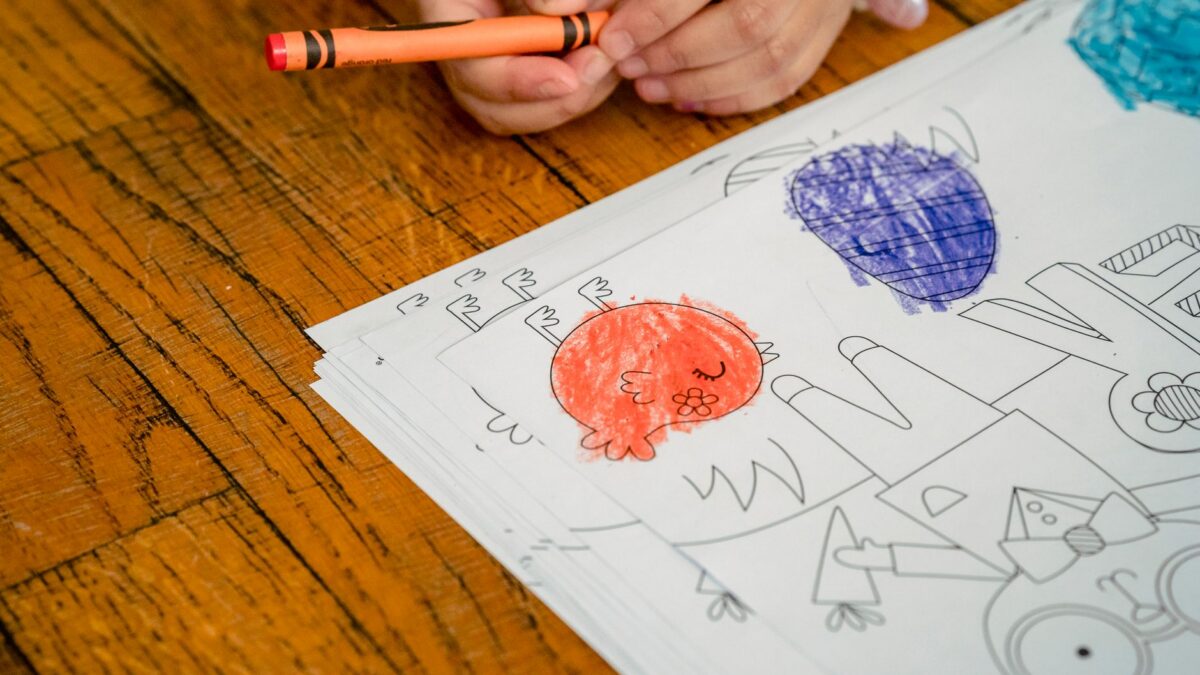
A kids table that runs itself needs four things: a paper tablecloth with crayons, place cards so nobody argues about seats, a few table games and a short, kid-friendly menu served in small portions. Set it up the day before, seat children by age so older kids can help younger ones, and keep an adult within earshot. Here is a checklist you can adapt to two kids or ten.
The setup checklist
- Choose the spot. A card table, a coffee table with floor cushions or a section of the main table all work. Place it where an adult can see it from the dinner table, and away from hot dishes, candles and the kitchen traffic path.
- Cover it with paper. Tape butcher paper, brown kraft paper or a roll of plain white paper to the table. Draw a few starter doodles, such as a turkey outline or a border of leaves, to invite coloring.
- Add a cup of crayons. One cup per four kids. Washable markers work too, but crayons are less likely to stain a surface or a sleeve.
- Make place cards. Fold an index card in half and let each child decorate their own, or have older kids make them for younger ones. It saves you from deciding who sits where. For ideas, see our Thanksgiving crafts for kids.
- Plan one or two table games (below) and put the materials in a small basket in the middle.
- Set unbreakable dishes and cups. Plastic or sturdy melamine plates and lidded cups save worry. Add a stack of napkins and a damp cloth.
- Name a table captain. The oldest child, or a teen cousin, can be in charge of passing dishes and calling an adult if something spills or someone needs help.
Seating by age
Mixing ages gives the table energy, but a little planning prevents trouble.
- Toddlers and babies need a high chair or booster and an adult right beside them. Don’t leave a child under 4 at a kids table without a grown-up close enough to step in if they start to choke.
- Ages 4 to 7 do best at the same table as a teen or an older cousin who can help cut food and pour drinks.
- Ages 8 and up may prefer sitting with the adults or having their own “grown-up” table. Ask them instead of assuming.
- Teens often enjoy the captain role more than being treated as one of the little kids.
Table games that need almost nothing
- Thankful bingo. Draw a 3-by-3 grid with items such as “somebody laughs,” “somebody says thank you” and “someone asks for seconds.” Kids mark squares as they happen.
- Conversation cards. Write questions on slips, such as “What is the funniest thing you saw this year?” or “What would you invite to dinner if a food could talk?” and pass the jar.
- Paper tablecloth tic-tac-toe or drawing relay. One child starts a drawing and passes it along; each adds a line.
- Would-you-rather. No supplies, easy for every age, and it can be silly or serious.
- I Spy. A good fallback for younger children.
For more ideas after the meal, see our list of Thanksgiving activities for kids.
A simple kids-table menu
Kids tend to eat a few foods and skip the rest, so serve small portions of a short list and let them add more.
- Turkey, cut into bite-size pieces
- Mashed potatoes or buttered noodles
- A soft vegetable such as green beans or corn
- A roll
- One fruit, such as sliced apples or clementine segments
- A cup of water, with milk or juice if you like
Want a side dish kids can help make? Our easy Thanksgiving stuffing has a job list for children.
Safety notes for young eaters
- The American Academy of Pediatrics lists hot dogs, whole grapes, nuts and seeds, popcorn, raw carrot sticks and chunks of cheese among the foods that are choking hazards for young children, and it recommends keeping higher-risk foods from children until they are 4 or older, depending on the child. See its choking prevention page.
- Cut round, firm foods very small, and make sure children sit while they eat.
- Ask hosts and families about allergies before the day, and label dishes that contain common allergens.
- Serve hot foods lukewarm. Hot dishes are better kept at the adult table.
Keep leftovers safe
USDA food-safety guidance is to refrigerate or freeze perishable leftovers within two hours of serving (within one hour if it is above 90°F). Don’t let the kids table become a place where food sits all afternoon. If you want to leave out snacks, put out a small amount and replace it.
Keep it calm
- Plan an end time. Twenty to thirty minutes of sitting is a lot for younger children.
- Offer a “table job” to help with the cleanup: rolling up the paper tablecloth is a big hit.
- Let kids who finish early leave with a quiet activity nearby, so they do not wander into the kitchen.
Bottom line
A paper tablecloth, a cup of crayons, place cards and one game are enough to keep a kids table happy. Seat children by age, serve small portions of familiar food, and keep an adult within reach for the youngest. If you want to give the older kids a project, put them in charge of the place cards.
FAQ
At what age should a child move to the main table?
There is no set age. Many families make the switch when a child can sit through the meal and handle food on their own, often around the preteen years, but let the child’s comfort guide you.
How many adults does a kids table need?
At least one adult should be able to see and hear the table at all times, and children under 4 need an adult beside them while they eat.
What if there are only two kids?
Skip the separate table and set up a kid-friendly corner at the main table with paper, crayons and a small game. Seat them together so they have company.
Can I make the table ahead of time?
Yes. Tape the paper, set out cups and plates and prepare the place cards the night before. Add food and drinks just before dinner.