Christmas Eve Box Ideas by Age and Budget, Plus How to Reuse the Box
A Christmas Eve box can be as simple as pajamas, a book and cocoa. Here is what to include at three budgets, by age, and how to make the box a yearly keepsake.
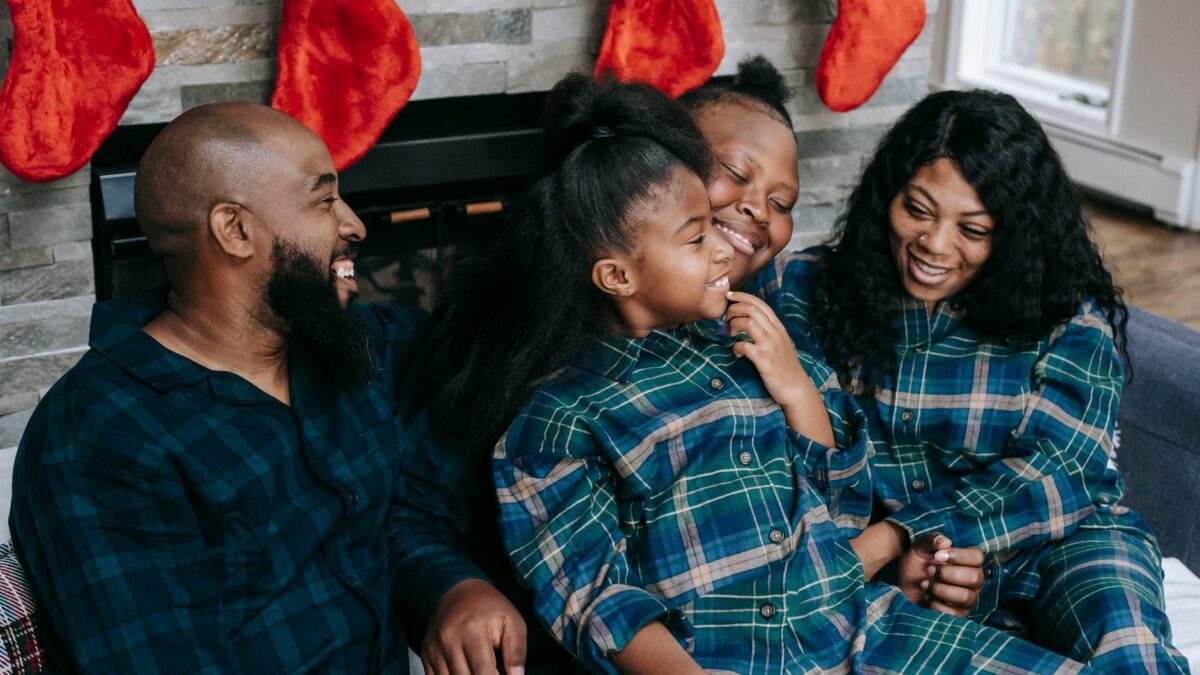
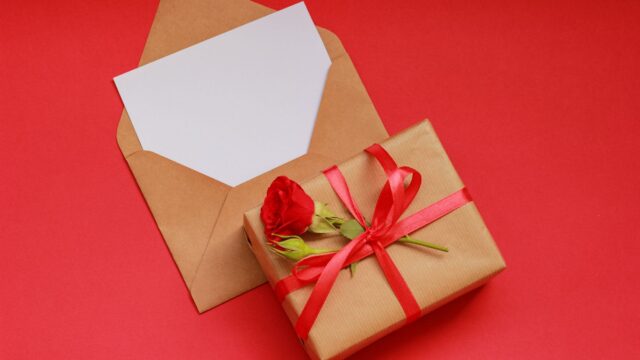
A Christmas Eve box is a small box opened the night before Christmas that holds a few things to wear, read, watch, eat and do together, usually pajamas, a book, a treat and a movie or game. It can cost almost nothing or a bit more, and the best version is the one you can repeat every year. Below are ideas at three budgets, a checklist by age and a plan for reusing the box.
The five-part formula
Most Christmas Eve boxes follow the same pattern, which makes planning easy:
- Something to wear: pajamas, slippers or cozy socks.
- Something to read: a new picture book or chapter book to read together that night.
- Something to watch: a holiday movie or special show picked in advance.
- Something to eat or drink: a cocoa packet and marshmallows, or a cookie to decorate.
- Something to do: a puzzle, a card game, a craft or a short scavenger hunt.
You do not need all five. Two or three are enough, especially for the first year.
Three budget levels
The amounts below are suggested spending targets per child, not averages. Adjust them to your own plan.
| Level | Suggested target per child | Example contents |
|---|---|---|
| Almost free | $0 to $5 | Library book, cocoa and a few marshmallows from the pantry, a movie you already own, a homemade coupon for a late bedtime, a puzzle or card game from the shelf |
| Budget | About $10 to $20 | New pajamas or cozy socks, a paperback book, a mug, cocoa mix, a small craft or activity pad, a candy cane or cookie |
| Bigger | About $25 to $40 | Matching pajamas, a hardcover book, a board game, a family movie ticket or rental, slippers, an ornament |
If you are also buying stocking gifts, count the box in that budget so you do not overspend. Our list of cheap stocking stuffers for kids pairs well with a simple box.
Checklist by age
Babies and toddlers (0 to 2)
- Comfortable pajamas in the right size
- A board book with sturdy pages
- A soft toy without detachable small pieces, for daytime play only
- A simple song or lullaby to sing
- Skip balloons, coins, button batteries and anything small enough to fit in the mouth
Preschoolers (3 to 5)
- Pajamas with a favorite character or color
- A picture book with a Christmas theme
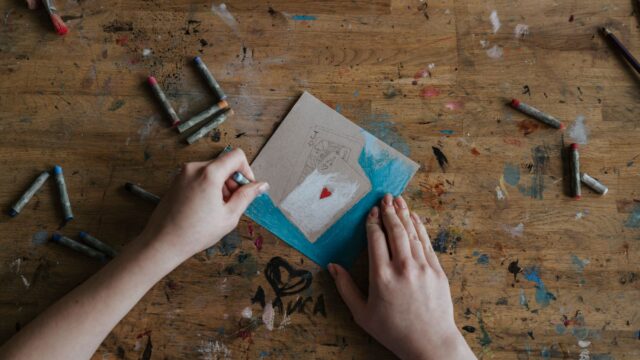
- Washable markers and a pad for drawing a Christmas card
- A kid-friendly cookie to decorate
- A short, familiar movie or a few songs to dance to
School-age children (6 to 11)
- Pajamas, plus cozy socks they pick themselves
- A first chapter book or a graphic novel
- A card game, dice game or small puzzle
- A pack of colored pens or a journal for writing a Christmas Eve note
- A cocoa mug and a recipe card for making it together
Tweens and teens (12 and up)
- Plush pajamas or a hoodie
- A paperback in a favorite series or a magazine
- A small treat they like, such as flavored tea or a snack
- A playlist or a choice of movie, so they feel in charge
- A gift card for a coffee shop, kept at a price that fits your budget
About the pajamas
If pajamas are in the box, check the label. In the United States, children’s sleepwear sold as sleepwear must either be made of flame-resistant fabric or be cut to fit snugly, and snug-fitting garments carry a label saying so. The Consumer Product Safety Commission explains the rules on its children’s sleepwear page. A baggy nightshirt or robe worn as sleepwear is not treated the same way, so choose items labeled for sleep.
Making a box you can reuse
A box is easy to keep if you treat it as part of the tradition instead of as packaging.
- Choose a sturdy box once. A wooden crate, a decorative tin or a sturdy gift box can come out every year. Let children decorate it or add their initials.
- Use one box for the whole family. A single large box with a few shared items costs less than a box per child and feels like an event.
- Refill only the consumables. Pajamas and cocoa change each year, but the box, a favorite mug and a recipe card can stay.
- Add a note. A short card listing the year, height, a favorite thing the child said or did and one wish for next year becomes a keepsake over time.
- Store it where you will find it. Keep it with the ornaments or holiday dishes so it does not get lost in January.
Planning checklist
- Choose the budget and write it down before shopping.
- Pick the five parts you want to include.
- Check pajama sizes a month before. Last year’s size may no longer fit.
- Ask about food allergies before adding treats.
- Wrap or box everything the day before and hide the box.
- Open it after dinner or just before bedtime, and make the movie or book the main event.
For the next morning, try one of these make-ahead Christmas morning breakfasts, and for more ideas on shaping the season, see our guide to Christmas traditions for families. A themed film night fits well with the box too, so check our family movie night ideas.
Bottom line
A Christmas Eve box does not have to be elaborate. Choose pajamas or socks, a book, something warm to drink and one shared activity, set a budget and keep the box for next year. If your children are different ages, one family box with a few individual items is simpler and cheaper than separate boxes.
FAQ
What time should we open a Christmas Eve box?
Most families open it after dinner or right before bed, so the pajamas, book and movie fit into the evening. There is no rule, and some families open it a day or two earlier.
How much should a Christmas Eve box cost?
It can cost nothing if you use items you already own, or a modest amount if you buy pajamas and a book. Set the target before you shop, and count it as part of your Christmas budget.
Is a Christmas Eve box still useful if we do not give gifts on Christmas Eve?
Yes. It is more of a ritual than a present. A cocoa packet, a story and a note can be the whole box.
What can I put in a box for a baby?
Stay with safe basics such as a sleeper that fits, a board book and a soft toy with no small removable parts. The American Academy of Pediatrics advises keeping soft toys, blankets and other soft objects out of a baby’s sleep area, so the toy is for daytime play. See the AAP’s safe sleep guidance, and ask your pediatrician if you have questions about your baby.